



We write about instruments the same way we build and repair them: evidence first, dogma never. Some pieces settle arguments. Some explain how things actually work. Some are just the stuff worth knowing. Three series, one rule — nothing here we can't source.
I'm Right, You're Wrong
The title is the joke, and the joke is the method.
Every essay plants a flag in the most insufferable way possible — I'm right, you're wrong — then spends the next two thousand words doing the exact opposite of what that promises. Weighing the evidence. Citing the studies. Conceding what the other side gets right. Admitting, at length, that it's complicated, that the honest answer has caveats, that reasonable people land in different places. And then, having walked you through all of it: anyway, doesn't matter, I'm right, you're wrong.
That's the whole bit. The front claim is never the point — the nuance in the middle is. The series wears the face of everything we argue against: the confident hot take, the unsourced assertion, the guy who wins debates by saying it louder. Then it smuggles the antidote inside the costume. Wry, off-kilter headers over dead-serious content. Nonsensical illustrating images over carefully sourced claims. Unearned swagger, entirely on purpose, wrapped around an argument that earns every line.
The format is the parody. The sourcing is the point.
The Truth About…
The deep dives. No posturing, no fight to pick — just one subject taken apart down to the studs.
We pick a topic — tonewoods, scale length, strings, finishes, necks — and lay out the whole thing in order: what's actually been measured, what's craft tradition handed down because it works (or because everyone assumes it does), and what's marketing wearing the costume of fact. Three buckets, kept strictly separate, because most of the confusion in this trade comes from someone quietly moving a claim from one to another. When the research is solid, we tell you. When it's thin, or contradictory, or just absent, we tell you that too — "we don't fully know yet" is an answer, and a more honest one than most of what's online.
It's the series for the reader who's tired of buying guides that rank seven woods by "warmth" and call it information. Cited throughout, linked to the primary sources, written so you can go check the work and disagree with us on the merits. That's the whole point: hand you the map, mark where the roads actually go, and let you drive.
General Articles
Everything else worth writing down — the stuff that doesn't need a thesis, just an honest explanation.
How-to guides written from the bench: truss rods and neck relief, what a real setup does and doesn't fix, when swapping a pot is worth it and when it isn't. The craft and history of the trade — why Paris has built instruments for centuries, what hand-built actually means once you strip the romance off it. And the occasional look behind the curtain at how we work, what we build, and the reasoning behind the choices most shops never explain.
No affiliate links, no ranked lists, no "top ten" filler. If we wrote it down, it's because a customer asked, a repair taught us something, or we got tired of seeing the wrong answer repeated. Practical, bench-tested, and written by the person actually holding the tools.
Infos, Hot Takes and Science
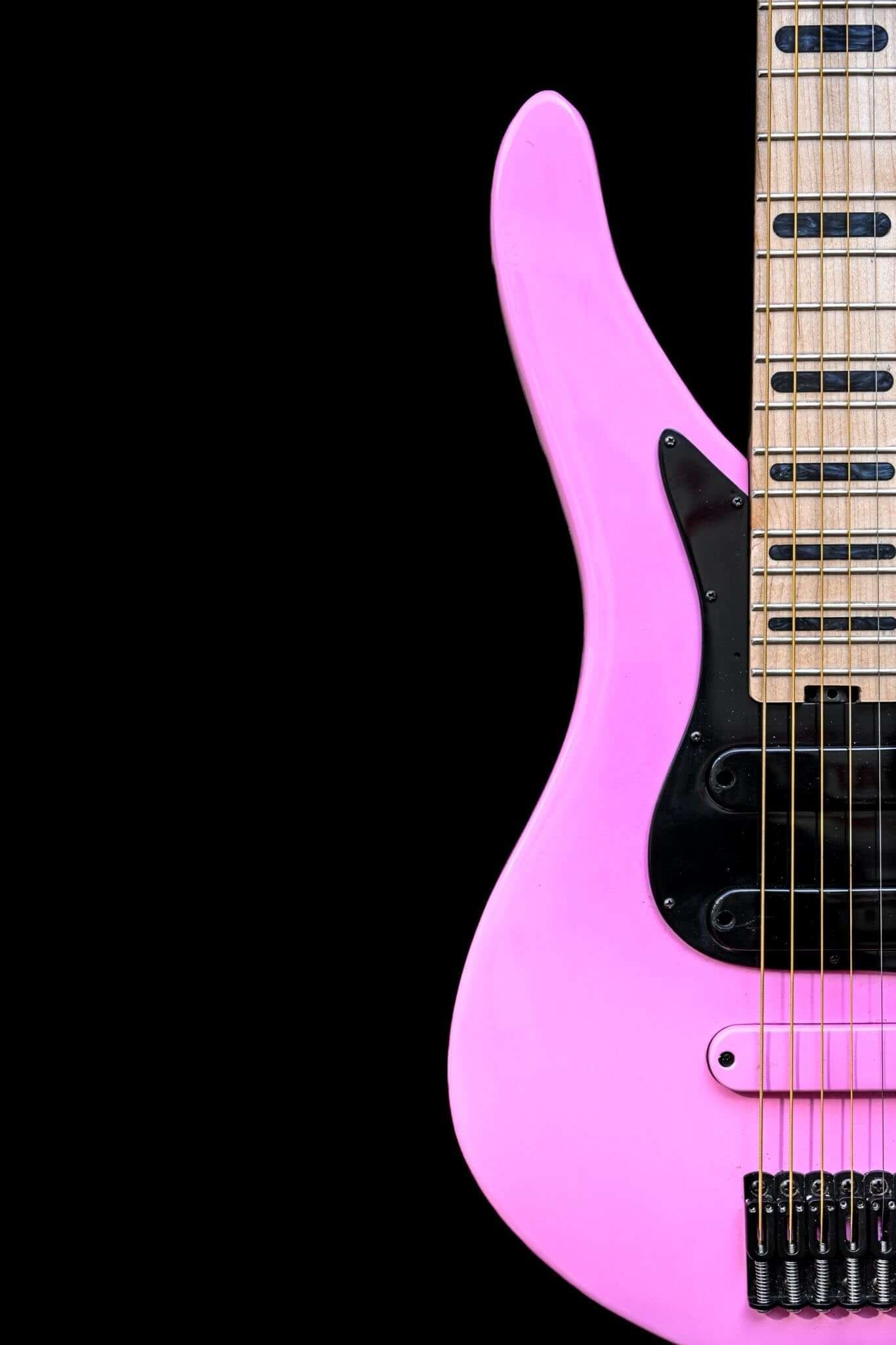
I design guitars from the perspective of a bass builder
In this exclusive interview with Fretboard Frenzy Journal, I share the journey of building Belforti Instruments, my passion for crafting premium electric guitars, and the philosophy that drives my work. From the initial inspiration to the details of the crafting process, this conversation dives deep into the artistry and precision behind every Belforti guitar. Whether you're a musician, a collector, or simply intrigued by the world of high-end lutherie, this interview offers an inside look into the dedication and innovation that go into creating instruments for the modern player.
Read moreabout I design guitars from the perspective of a bass builder