



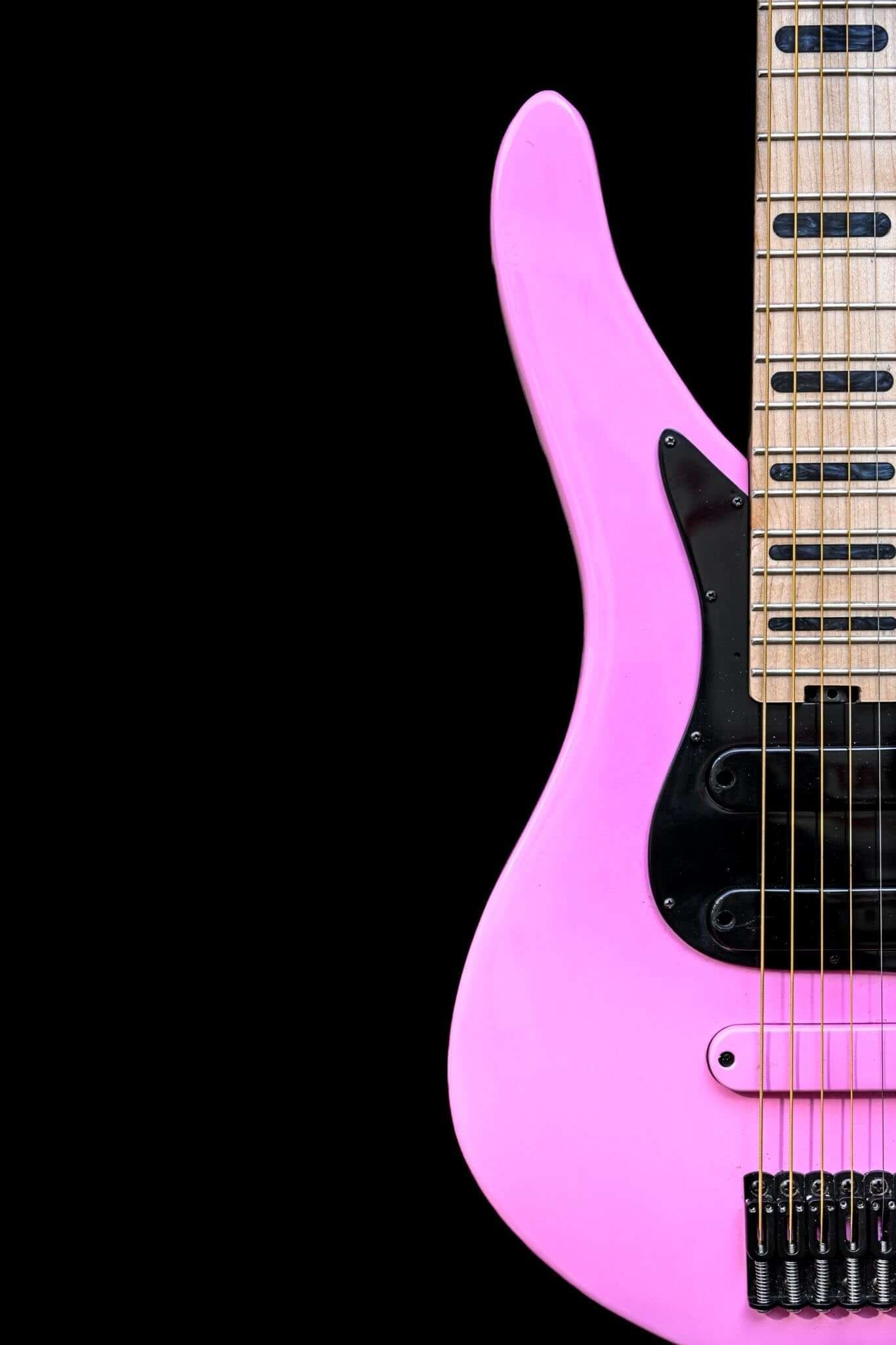
This is a retranscription of an interview we gave to our friend Erwin at Fretboard Frenzy. Check out their cool interviews and articles at www.fretboardfrenzy.com

In our Luthier Interview Series we dive into the world of electric guitar craftsmanship with the experts who bring these instruments to life. This time we feature an interview with Marin Nourry from Belforti Instruments Inc.
Belforti Instruments hails from Paris, France. It’s a young company with an interesting approach to guitar building. The design of their instruments, the attention to detail and even their top-notch website with a fully-fledged configurator oozes ambition.
High time to ask founder and owner Marin Nourry a few questions!
As the founder of Belforti Instruments Inc., what inspired you to start building guitars, and when did you launch your company?
Belforti Instruments is still quite young. We began as a repair shop in Southern Paris in 2022, and expanded to a manufacturing facility in Western Paris in 2023.
We started from scratch with an empty space that became operational in late 2023, leading to our first production run in 2024.
The journey started from a mix of influences: engineering, fine arts, music, bass guitars, family heritage, entrepreneurship, and a deep love for working with my hands, particularly with wood and design. I’ve been drawn to guitar building for about ten years, but my passion for music and instruments goes back a lifetime.
This path has been both a professional endeavor and a deeply personal journey—a way to heal, grow, and find peace after struggling with mental health challenges. Building guitars brings me a sense of harmony and joy, providing strength through the difficult times.
Your company logo has several meanings. Can you elaborate on this, and how does it reflect the way you build your instruments?
We love our logo! It has multiple layers of interpretation. At first glance, it resembles a bass tuner, representing my love for bass guitars, which is what initially drew me to lutherie.
But it also symbolizes a sprout – a growing tree encased in a bubble – representing the birth of our company, the growth of an idea, and a homage to our primary material, wood. It’s also a tribute to nature, which gives us the beautiful resources we work with.
Lastly, the logo is a triptych composed of three elements that symbolize our guiding principles: Sound & Feel, Design & Ergonomics, and Aesthetics & Harmony.
You focus on three key aspects: how the guitar feels, how it sounds, and how it looks. How do you balance these elements when crafting your instruments?
We design our instruments around three major principles:
-
Sound & Feel: Instruments are tools for musicians, and they need to sound great and feel responsive. Sound quality is subjective, but we aim for instruments that are vibrant, responsive, and well-crafted, regardless of individual tonal preferences;
-
Design & Ergonomics: As tools, instruments must be ergonomic and functional, enhancing the player’s experience. No tool should resist its user or create unnecessary friction. Clever design is about simplicity, repairability, and a thoughtful balance of innovation and tradition;
-
Aesthetics & Harmony: Beauty matters, especially in musical instruments. We focus on harmonious lines, shapes, and colors to make our instruments visually appealing.
Balancing these three aspects is challenging, and we don’t claim to have found the perfect recipe. But we strive for a coherent blend rather than leaning too much on one aspect at the expense of others.
A perfect-sounding instrument may be too cumbersome; a highly ergonomic one might lack aesthetic appeal. At Belforti, we aim to create instruments that blend all these elements harmoniously.
Your guitars are built to be easy to repair. How does this benefit players in the long run?
As both repairers and builders, we often find it frustrating to see instruments that sound great but are impractical to repair at a reasonable cost.
Telling a customer that the repair costs exceed the value of their guitar is heartbreaking. In a world where sustainability is crucial, disposable guitars are an unacceptable concept.
We believe that players develop a strong emotional attachment to their instruments. They should be built to last, future-proof, and repairable.
This approach not only preserves resources but also shifts the mindset from replacing to maintaining. In the end, it provides peace of mind and helps players save money in the long term.
How do your different guitar lines meet the needs of players at various skill levels?
Our instrument range is composed of three series: the e-Series, M-Series, and S-Series. Each is designed to provide meaningful choices based on a player’s needs, budget, and preferences.
-
e-Series: Our entry-level series, offering handcrafted instruments with a colorful aesthetic. With 84 colors available, each e-Series guitar is a unique combination of two colors. Equipped with our Classic Electronics, these instruments deliver high-quality tone without overwhelming choices. They start at $2,990 and are entirely customizable;
-
M-Series: The mid-range series features more advanced lutherie, with premium options like armrest-wrapped tops, matching pickup covers, and active electronics. Designed for those seeking a classic look with a modern twist, these instruments start at $4,990 and offer customization options;
-
S-Series: Our premium series represents the pinnacle of our craftsmanship, featuring advanced materials, unique detailing, signature components, and inlayed tops. Equipped with our Ultra Electronic Configuration and private stock woods, they provide the ultimate in precision and power, starting at $7,990.
You’re a bass player. How has this influenced the way you design your guitars at Belforti?
Yes, I am a bass player, and it significantly influences my approach to guitar design. I design guitars from the perspective of a bass builder.
This means the structure of my guitars is based on a bass architecture, with the bridge positioned closer to the player, which brings the nut closer too. This makes the instrument more ergonomic, reducing strain and preventing chronic pain, while also making the guitar lighter and more travel-friendly.
How do you come up with new guitar designs?
It depends on the goal of the design. The Belforti models you see today—Models 1, 3, 5, and 7—are meant to feel familiar without being direct copies or heavily derivative. I want customers to feel at home with the instrument, even if it’s new to them.
For instance, Model 1 is a modern take on a Jazz Bass, with improved ergonomics and a smaller footprint. Once I found the right lines for it, I adjusted it to create Model 3, which embodies a modern P Bass vibe.
The Model 5, our guitar shape, is essentially a scaled-down version of Model 1, while Model 7 is a rounded version of Model 5. This iterative approach ensures consistency while also keeping the designs fresh and innovative.
Your website highlights sustainability. How do you source quality wood while also protecting the environment?
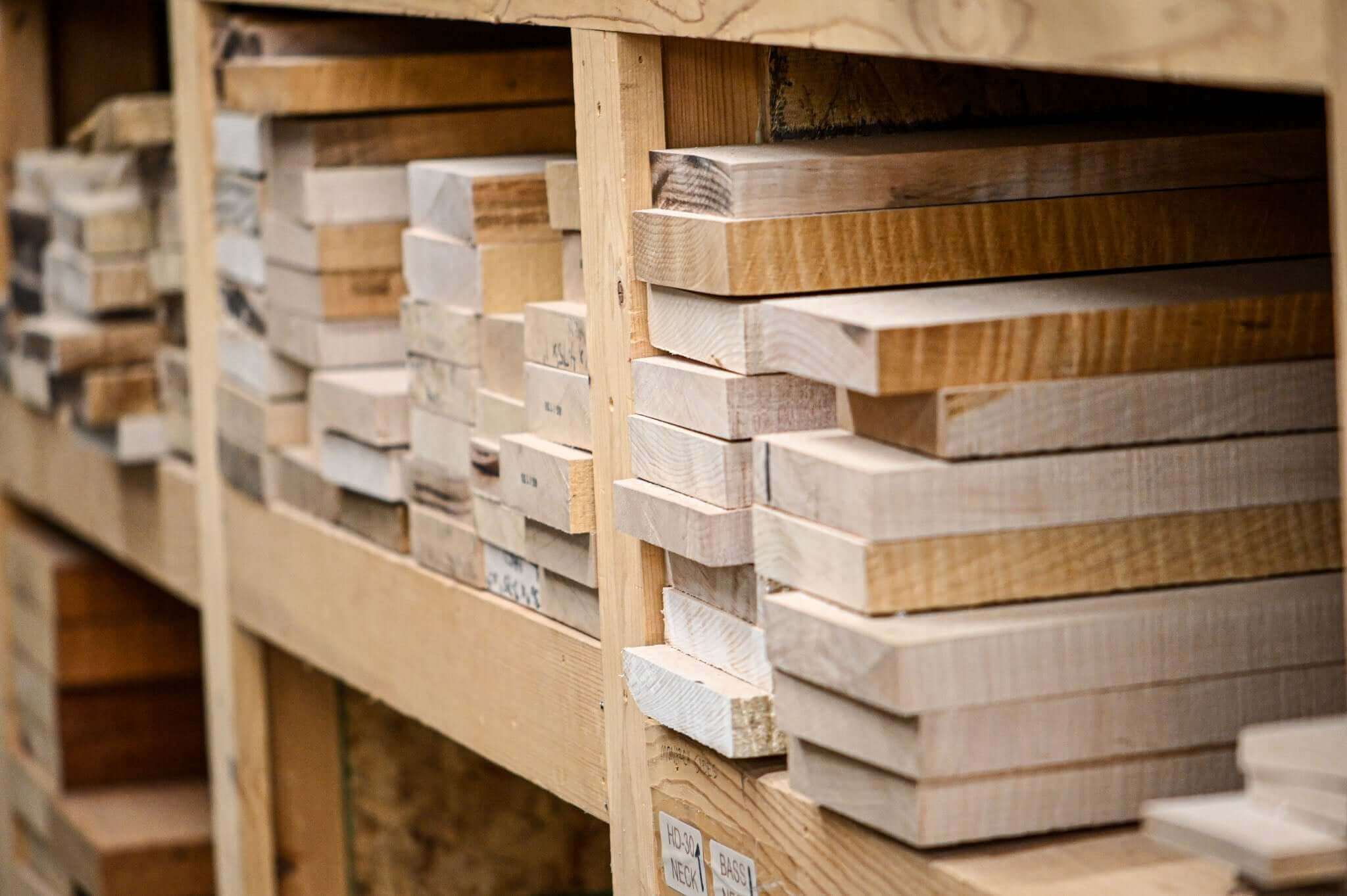
As both a luthier and a nature lover, I’m committed to sustainability. Our work inherently involves resource consumption, but there are things we can control – like ensuring we use ethically sourced materials.
I want to work with suppliers who genuinely care for their forests. Supporting such initiatives, regardless of location, helps foster sustainable practices.
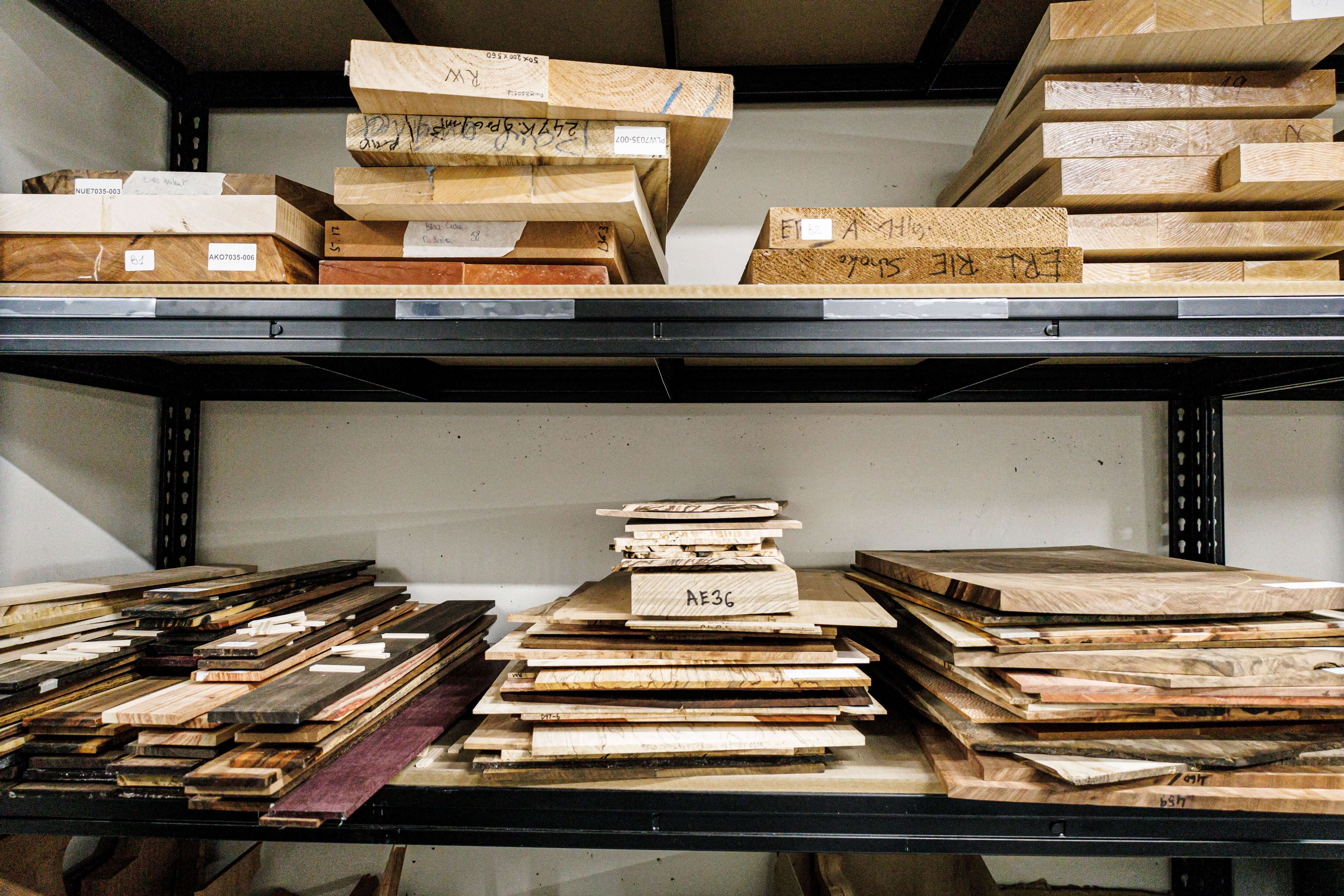
Local isn’t always synonymous with ethical, so I’m careful to support those whose values align with mine, whether they are a family-run operation in Madagascar or a supplier in France.
How does your modular approach benefit players in terms of customization and upgrades?
All of our instruments are modular, allowing them to be converted between headless, short scale, and extended range configurations. We’ve standardized our components, like necks and pickguards, across different models and series.
This makes part-swapping easy, enables quick upgrades, and streamlines our production process. Ultimately, it means more affordable production and retail prices for our customers.

What’s the most exquisite customization you’ve done for a customer?
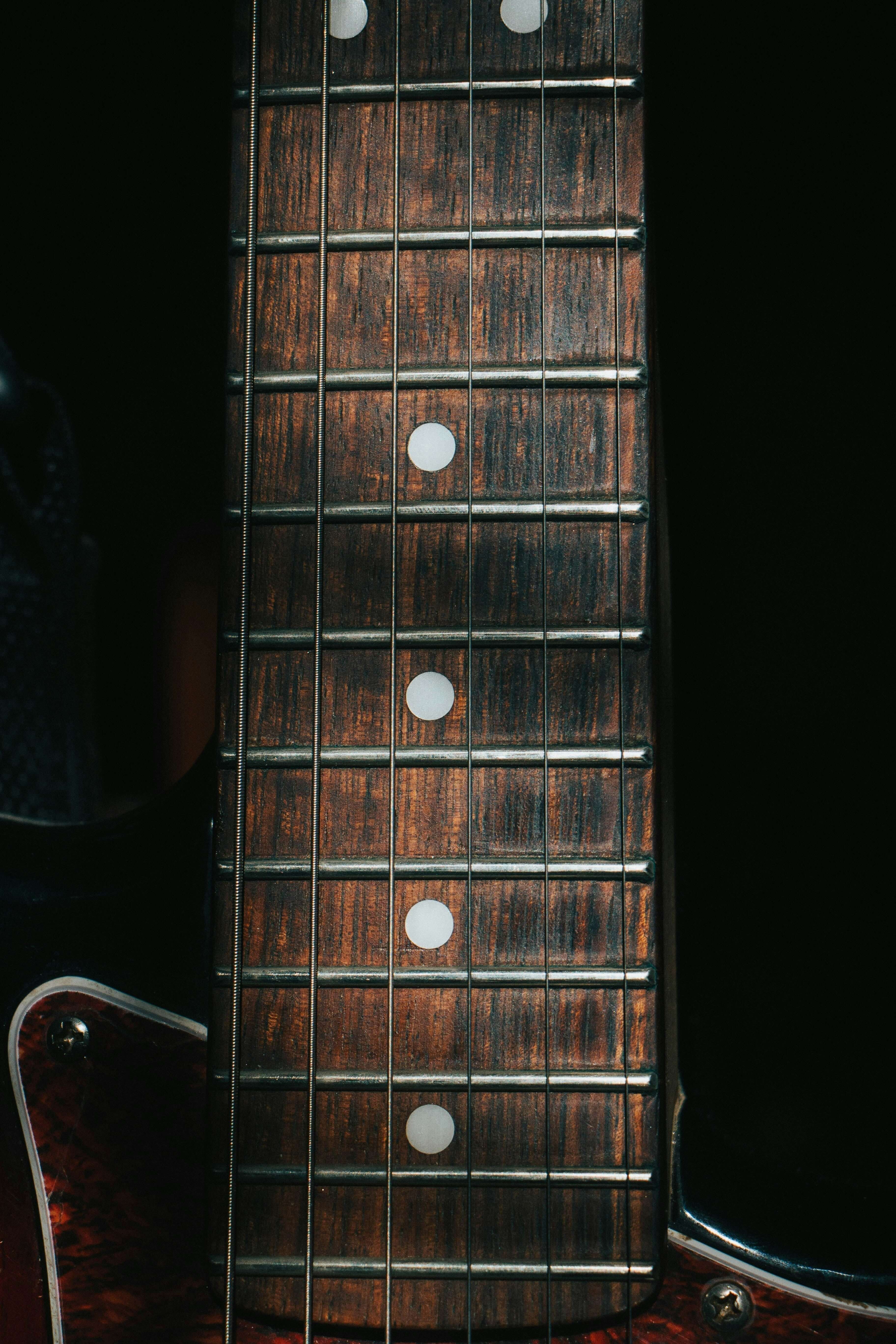
My favorite customization is the decorative fretboard kintsugi that we offer as part of the Gold Option Pack. It features a thin 24K gold line that runs across the fretboard, following the natural wood grain, crafted with traditional Japanese Urushi lacquer – a beautiful touch that adds both history and elegance to the instrument.
Which new ideas in guitar-making do you find most inspiring, and how do you incorporate them into your guitars?
I love all kinds of innovation, whether it’s in shape, structure, pickup technology, or finishing techniques.
The industry is always evolving, and seeing headless designs, multiscale instruments, swappable parts, and sustainable materials becoming common inspires me to explore and integrate these advancements into my own work.
Your website, with its instrument configurator and detailed information, shows ambition. Where do you see Belforti Instruments Inc. in five years?
In five years, I hope Belforti Instruments will be a significant player in the boutique guitar industry, with stable production and distribution.
Establishing a new brand is a long and uncertain journey, so my wish is simply for us to still be here—crafting beautiful instruments, honing our skills, and bringing joy and emotion to players through our work.
Do you build left-handed guitars?
Yes, we do! Although left-handed guitars are less commonly requested, we welcome our left-handed brothers and sisters.
I don’t believe in charging extra for lefties, and I’m an advocate for making left-handed options more accessible.
What’s the biggest challenge in guitar building today?
There are several challenges, but the biggest one is establishing a stable business. It’s also crucial to maintain a balanced life and avoid overworking.
This profession can be demanding, and it’s easy to fall into unhealthy habits. It takes time, and you can’t rush it—but the challenge of improving every day is what keeps it rewarding.
What advice would you give to someone aspiring to become a luthier?
Study, study, study! There’s no shortcut to mastering the craft. Passion and interest are great starting points, but they’re not enough.
The industry needs more competent, reliable professionals. Just like you’d want a pilot who is certified and trained rather than just passionate, a luthier must have proper training too.
There are schools with excellent reputations for teaching guitar building—places like the Galloup Guitar School in Michigan, which I consider the MIT of guitar building.
A strong academic foundation from a renowned institution is invaluable, and from there, you can continue learning independently while building on that solid base.

Share:
IRYW : Vintage guitars are overpriced hype
IRYW : You don’t need to be a great musician to be a great luthier