



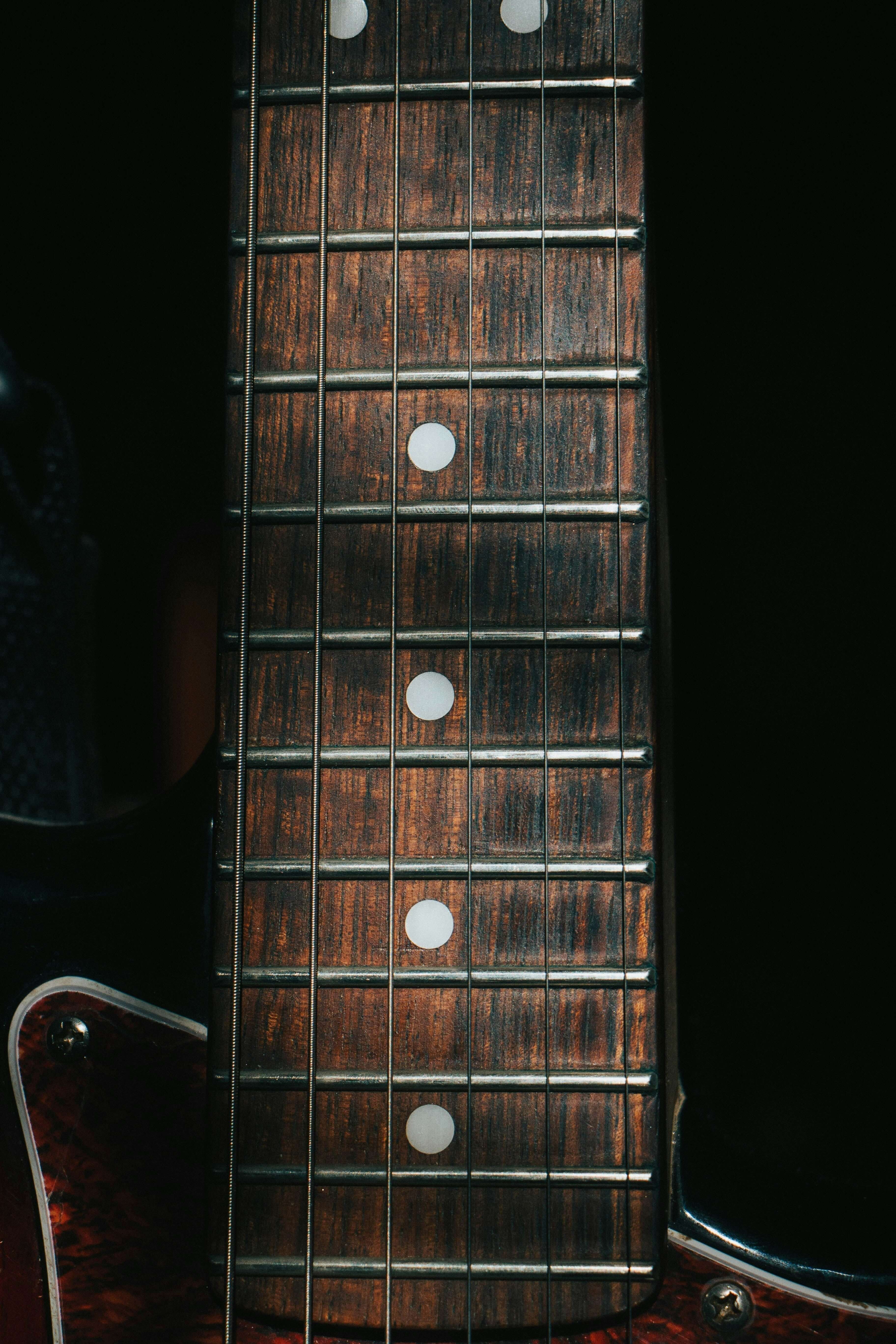
Introduction to Truss Rods and Neck Relief
If you've ever wondered why some guitars feel like butter under your fingers while others are a fight to play, the answer often lies in two hidden heroes: truss rods and neck relief. These unsung components of guitar construction are key to not only how your instrument feels but also how it sounds. Whether you're a budding luthier or a curious player, mastering these concepts is crucial for any serious setup or build.
Understanding how neck relief affects string height, and how the truss rod balances that curvature, can transform your guitar from frustrating to fantastic. Let's take a deep dive into these mechanical marvels and see how they shape the soul of your sound.

What Is a Truss Rod?
A truss rod is a steel bar (or rod) that runs inside the neck of most modern guitars. Its primary purpose is to counteract the tension created by the strings, helping maintain the proper curvature—or relief—of the neck.
There are generally two types:
- Single-Action Truss Rods: Adjust only in one direction (usually to counteract forward bow caused by string tension).
- Dual-Action Truss Rods: Adjust in both directions, correcting both forward and backward neck bows.
Materials commonly used include steel, titanium, or carbon fiber, chosen for strength and minimal expansion.
Understanding Neck Relief
Neck relief refers to the slight forward curvature of the guitar neck that allows strings to vibrate freely. A completely straight neck may cause fret buzz, while too much relief can result in high action.
Here's a simple breakdown:
- Too much relief = High action = Hard to play
- Too little relief = Fret buzz = Unpleasant sound
The goal is a delicate balance, where the neck has just enough curve to let strings vibrate cleanly without buzzing.

The Physics Behind Neck Movement
At a glance, your guitar neck looks solid—but it's constantly moving in microscopic ways. The truss rod and string tension are in a constant tug-of-war. Here's what affects it:
- String Tension: Thicker or higher-tuned strings exert more pull on the neck.
- Humidity: Wood expands or contracts based on ambient moisture, affecting relief.
- Temperature: Heat can soften glue joints or slightly warp the neck over time.
A luthier needs to anticipate these changes when crafting and setting up an instrument.
Symptoms of Poor Truss Rod Adjustment
So how can you tell if your truss rod needs attention? Here are common warning signs:
- Uncomfortable High Action: Strings feel too far from the fretboard.
- Fret Buzz: Especially in the middle frets.
- Dead Spots: Notes that die out quickly or don’t ring properly.
- Sharp Intonation Issues: Notes play sharp even after bridge adjustment.
Each of these can usually be traced back to improper neck relief.
How to Check Neck Relief Properly
Checking neck relief is easier than it sounds. Here's a reliable method:
- Capo the First Fret (or use your finger).
- Hold Down the Last Fret on the low E string.
- Look at the gap between the string and the 8th or 9th fret.
Use a feeler gauge to measure the gap. A typical relief is around 0.008 to 0.012 inches for most guitars.

How to Adjust a Truss Rod Safely
Before touching anything, go slow and use the correct tool (usually a hex key or Allen wrench). Here’s how:
- Clockwise (Tighten) = Reduces relief (flattens neck)
- Counter-Clockwise (Loosen) = Increases relief (adds bow)
Only turn the truss rod 1/8 to 1/4 of a turn at a time and let the neck settle before rechecking.
Single vs Double Action Truss Rods
Single-action truss rods are simpler and more common, especially in vintage guitars. They only correct one direction (usually forward bow). On the other hand:
Double-action rods can correct both forward and backward bow, making them a favorite for modern builders seeking more control.
| Feature | Single-Action | Dual-Action |
|---|---|---|
| Direction | One-way | Two-way |
| Complexity | Simpler | More complex |
| Adjustment | Limited | Versatile |
Ideal Neck Relief Settings for Different Guitars
Every guitar type has different needs. Here's a general guide:
| Guitar Type | Ideal Neck Relief |
|---|---|
| Electric Guitar | 0.008" – 0.010" |
| Acoustic Guitar | 0.010" – 0.012" |
| Bass Guitar | 0.012" – 0.015" |
Always consider playing style, string gauge, and personal comfort.
Truss Rod Myths and Misconceptions
Let’s bust a few myths:
-
Myth: “Truss rod adjusts string action.”
Reality: It affects neck curvature, which indirectly affects action. -
Myth: “You’ll snap your neck if you adjust it.”
Reality: Proper adjustments in small increments are safe. -
Myth: “You never need to touch it.”
Reality: Seasonal changes and string changes often require adjustment.
Troubleshooting Common Truss Rod Issues
Sometimes, truss rods don’t cooperate. Common issues include:
- Stuck Truss Rod: Often due to rust or overtightening.
- No Change After Adjustment: May be maxed out or damaged.
- Rattling Sound: Loose nut or improperly seated rod.
If unsure, consult a professional before forcing anything.
When Not to Adjust the Truss Rod Yourself
If you encounter any of the following, step back:
- Rod is Maxed Out: Needs professional attention.
- Hearing Cracks: Could be damaging the wood.
- Neck Twist or Warp: Truss rods can’t fix this.
Luthiers have specialized tools and knowledge to handle these scenarios.
Seasonal Maintenance Tips for Neck Relief
Guitar necks are sensitive to climate. Here’s how to handle it:
- Winter: Use humidifiers to prevent shrinkage and back bow.
- Summer: Watch for swelling that causes forward bow.
Store guitars in climate-controlled environments and check relief every few months.

The Role of the Truss Rod in Guitar Tone
Though it doesn’t directly affect tone like pickups or wood, the truss rod influences:
- String Sustain: Proper relief lets strings ring out cleanly.
- Resonance: A well-set neck vibrates more efficiently.
- Feel and Expression: Comfort leads to better playing, which leads to better tone.
Frequently Asked Questions
Q1: How often should I adjust my truss rod?
A: Only when necessary—typically during seasonal changes or string gauge switches.
Q2: Can a truss rod fix a warped neck?
A: No. It corrects curvature, not twist or warping.
Q3: Should the neck be completely straight?
A: Not quite. A slight relief is ideal to allow for string vibration.
Q4: Is adjusting a truss rod dangerous?
A: Not if done correctly. Turn slowly and incrementally.
Q5: Can I use WD-40 on a stiff truss rod?
A: No. Use only proper lubricants and consult a pro if it's stuck.
Q6: What tools do I need for a truss rod adjustment?
A: Usually a hex wrench, feeler gauge, and sometimes a screwdriver.
Conclusion: Mastering Truss Rods and Neck Relief for Better Playability
Mastering the truss rod and neck relief is one of the most rewarding aspects of guitar maintenance. It puts control in your hands, letting you fine-tune your instrument to perfection. Whether you're setting up a new build or dialing in your favorite player, understanding this balance of wood and wire will elevate your skills—and your sound.

Share:
The Truth about Potentiometers
The Truth About Tonewoods in Solid-Body Electric Guitars - Part 2