



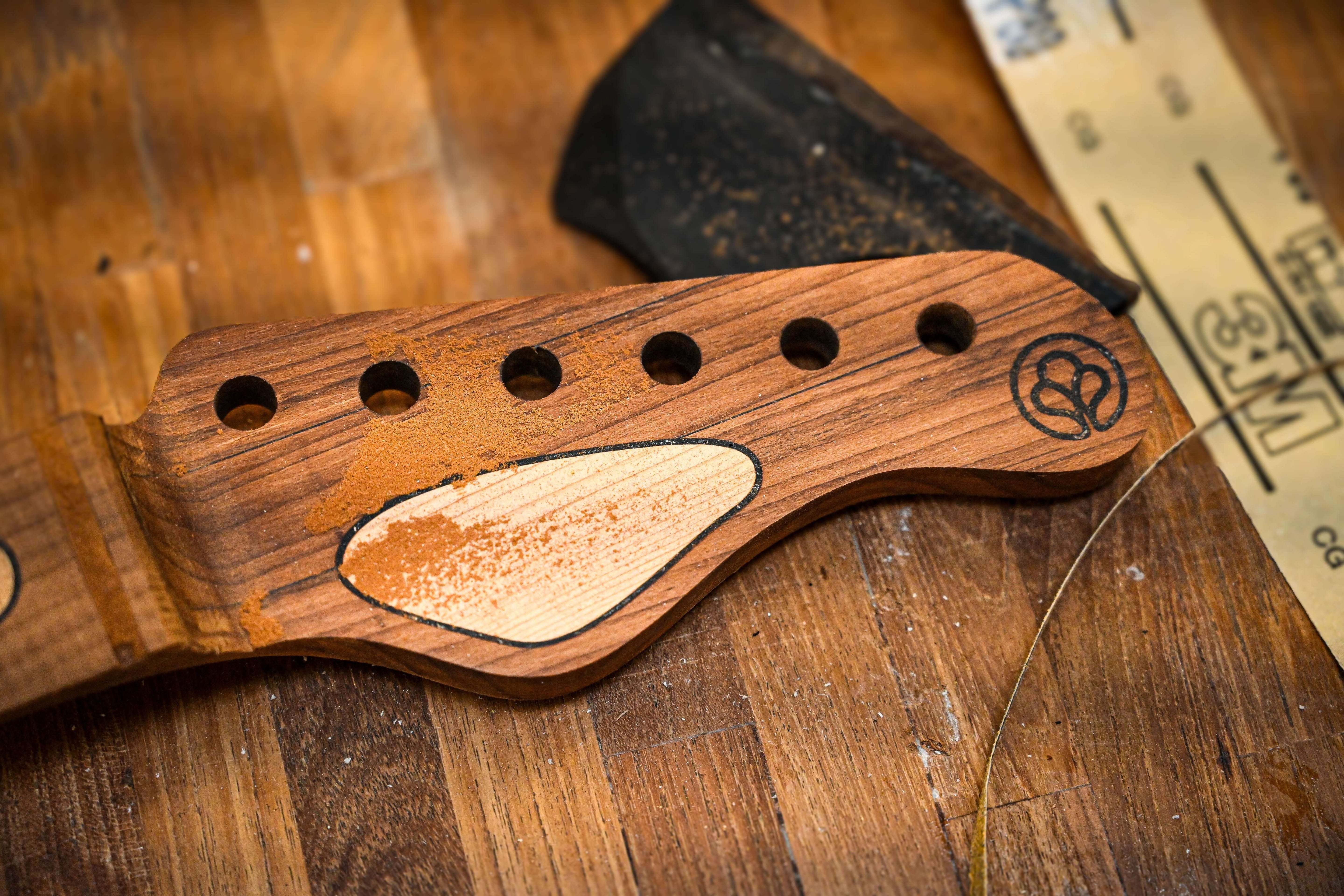
There’s something uniquely powerful about playing a guitar that was built for you. Not just with you in mind, but with your hands, your style, and your sound shaping every detail. In a world saturated with mass-produced instruments, going custom means returning to the roots of craftsmanship and artistic individuality.
But what exactly can you customize when you order a guitar from a bespoke workshop? If you've ever wondered, this guide is your comprehensive but accessible starting point. Whether you're an experienced player or simply curious, we’ll walk through every major point of customization — and how modern tools like Belforti’s configurator help you explore these options without feeling lost.
1. Tonewoods: The Foundation of Sound and Feel
The wood isn’t just about aesthetics. It defines the core resonance, weight, and tactile response of your guitar.
-
Body Woods: Mahogany for warmth and depth, swamp ash for brightness and snap, alder for balance, korina for a unique midrange. Each choice shapes your tone and how the guitar sits against your body.
-
Top Woods: Figured maple, buckeye burl, koa, myrtle — these influence brightness and give dramatic visual flair.
-
Neck Woods: Maple is stable and punchy, mahogany adds warmth, roasted woods resist humidity and add a smoky touch.
-
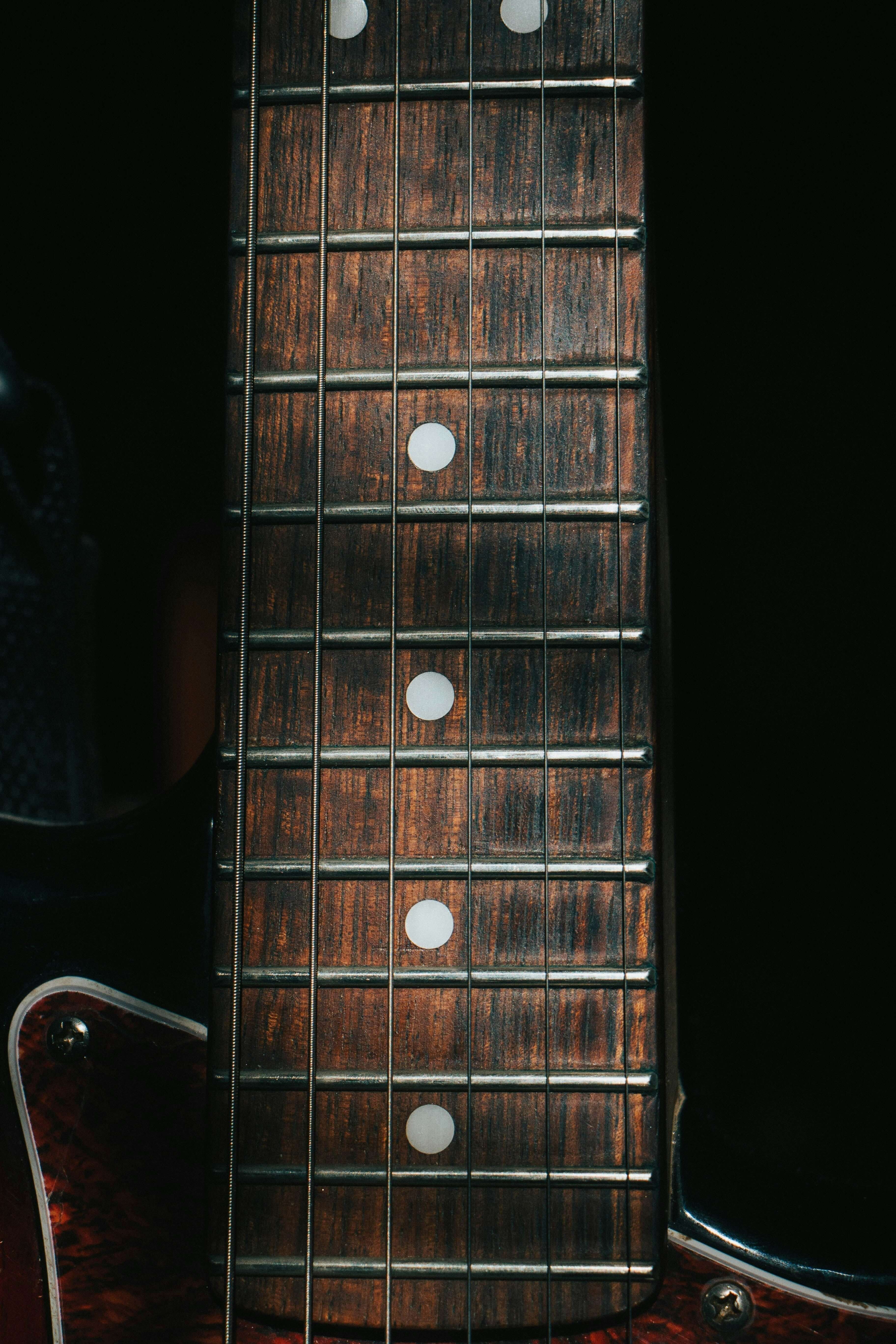
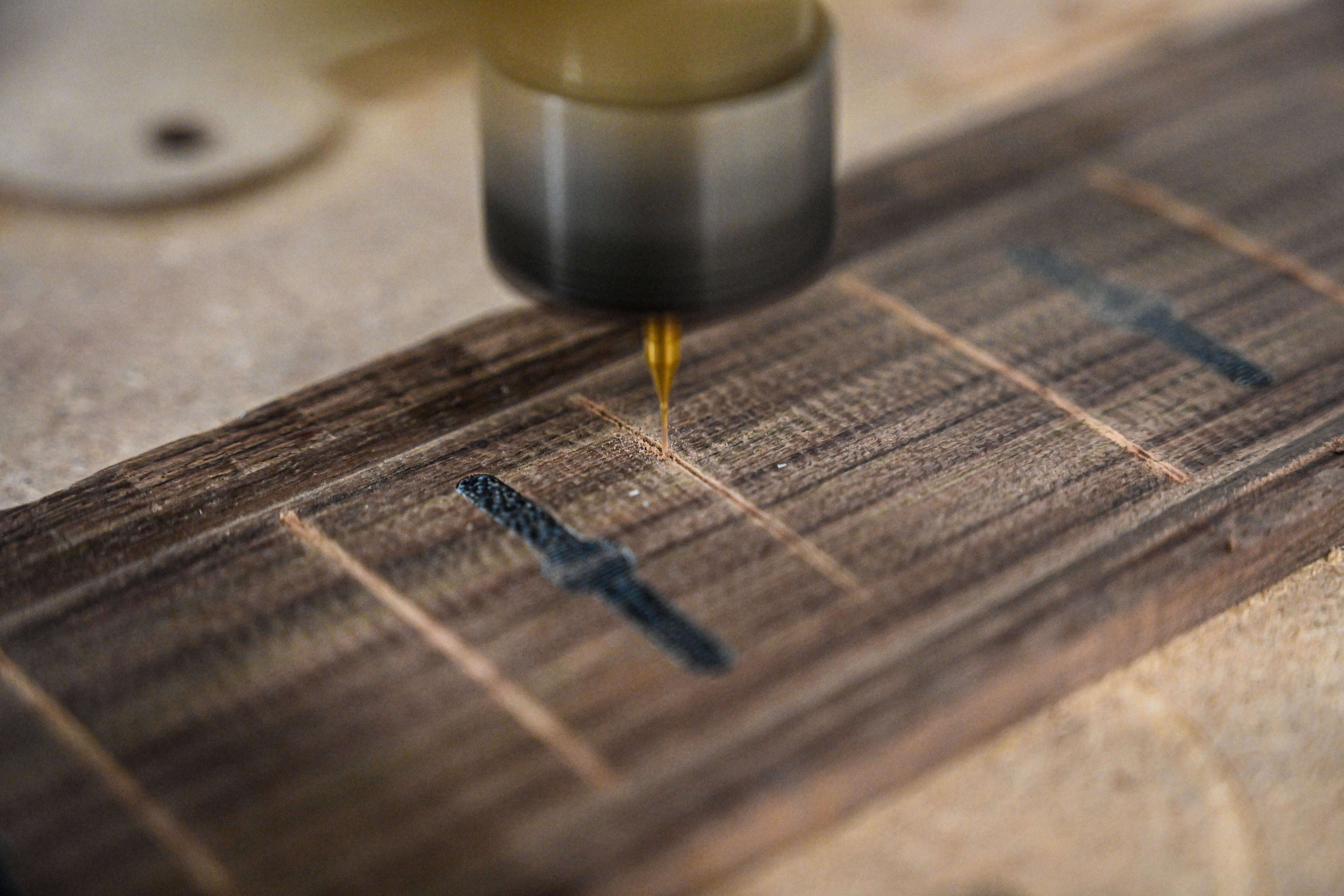
Fingerboards: From traditional rosewood and ebony to exotic options like ziricote or pau ferro, each contributes subtle tonal character and different textures under the fingers.
Premium builders will often offer matching or contrasting neck-through and bolt-on options depending on tonal goals.
2. Finish: Style Meets Protection
The finish affects the look, feel, and sometimes even the sound of your guitar. Beyond beauty, it plays a role in durability and resonance.
-
Finish Types: Nitrocellulose for vintage vibe and organic aging, polyurethane for durability, open-pore oils for natural feel.
-
Color Choices: From understated naturals to color-shifting metallics or even fully custom graphics.
-
Aging/Relics: Some players want a showroom gloss, others prefer a story in every scratch. Subtle relics, full-on road wear, or clean modern lines — it's your call.
-
Satin vs Gloss: Affect both visual texture and how the guitar feels under your arm or hand.
A custom shop may even work with you on hand-applied bursts, complex fades, or historically accurate vintage replicas.
3. Neck Specs: Ergonomics and Performance
No part of the guitar affects comfort more than the neck. It’s where your hand lives, and it should feel like an extension of your body.
-
Neck Profile: C, D, U, Soft V, asymmetrical, or custom-carved to match your hand measurements.
-
Thickness: Ultra-thin for fast shredding or chunky for those who dig into the wood.
-
Radius: Vintage 7.25” for chord lovers, compound 10"-16" for versatile players, flat 20" for extreme bends.
-
Scale Length: Standard (25.5”), short-scale (24.75"), baritone, or even multi-scale for ergonomic tuning tension.
-
Frets: Nickel silver or stainless steel, medium jumbo or extra tall. How you play affects what’s best.
Custom necks also often come with unique heel shaping, enhanced access, and back-carve transitions.
4. Electronics: Shaping Your Voice
This is the heart of your amplified sound. Electronics define how your guitar translates to an amp or recording.
-
Pickup Configuration: Anything goes. SSS, HSS, HH, HSH, P90s, mini humbuckers, or something totally unique.
-
Pickup Choice: Boutique winders, in-house pickups, or classics like Bare Knuckle, Lollar, Lundgren, or TV Jones.
-
Wiring Options: Series/parallel, coil splits, blend knobs, phase switching, push/pulls, piezo systems.
-
Control Layout: Volume and tone where you want them, or toggle switches tailored to your style.
-
Output Jacks: Side mount, top mount, locking, stereo, or TRS for advanced rigs.
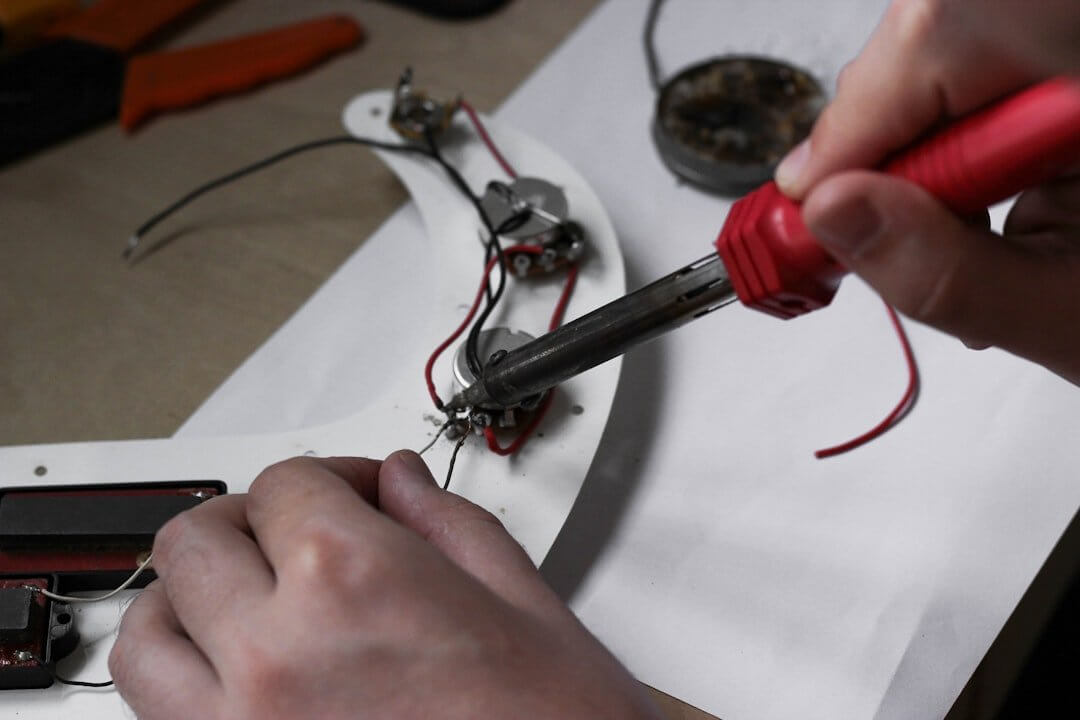
The best builders wire everything by hand and will work with you to design a control system that fits your needs on stage or in the studio.
5. Hardware: Functionality with Flair
Often overlooked by newcomers, hardware choices define how your guitar feels, stays in tune, and balances.
-
Bridges: Hardtail, tremolo, floating, wraparound, or even headless systems.
-
Tuners: Locking, vintage-style, staggered height, or planetary for special use cases.
-
Hardware Finish: Chrome, black, gold, brushed nickel, relic, or color-anodized aluminum.
-
Strap Locks: Traditional buttons or integrated security systems.
Every part can be selected to fit your aesthetic and performance needs, right down to the string tree or knobs
6. Aesthetic Details: The Personality Layer
Your guitar is a canvas. Custom shops let you go far beyond generic dot inlays.
-
Inlays: Blocks, dots, trapezoids, offset, custom logos, mother-of-pearl, recon stone, or wood.
-
Binding: Around the neck, body, headstock, or none at all. Contrasting or matched.
-
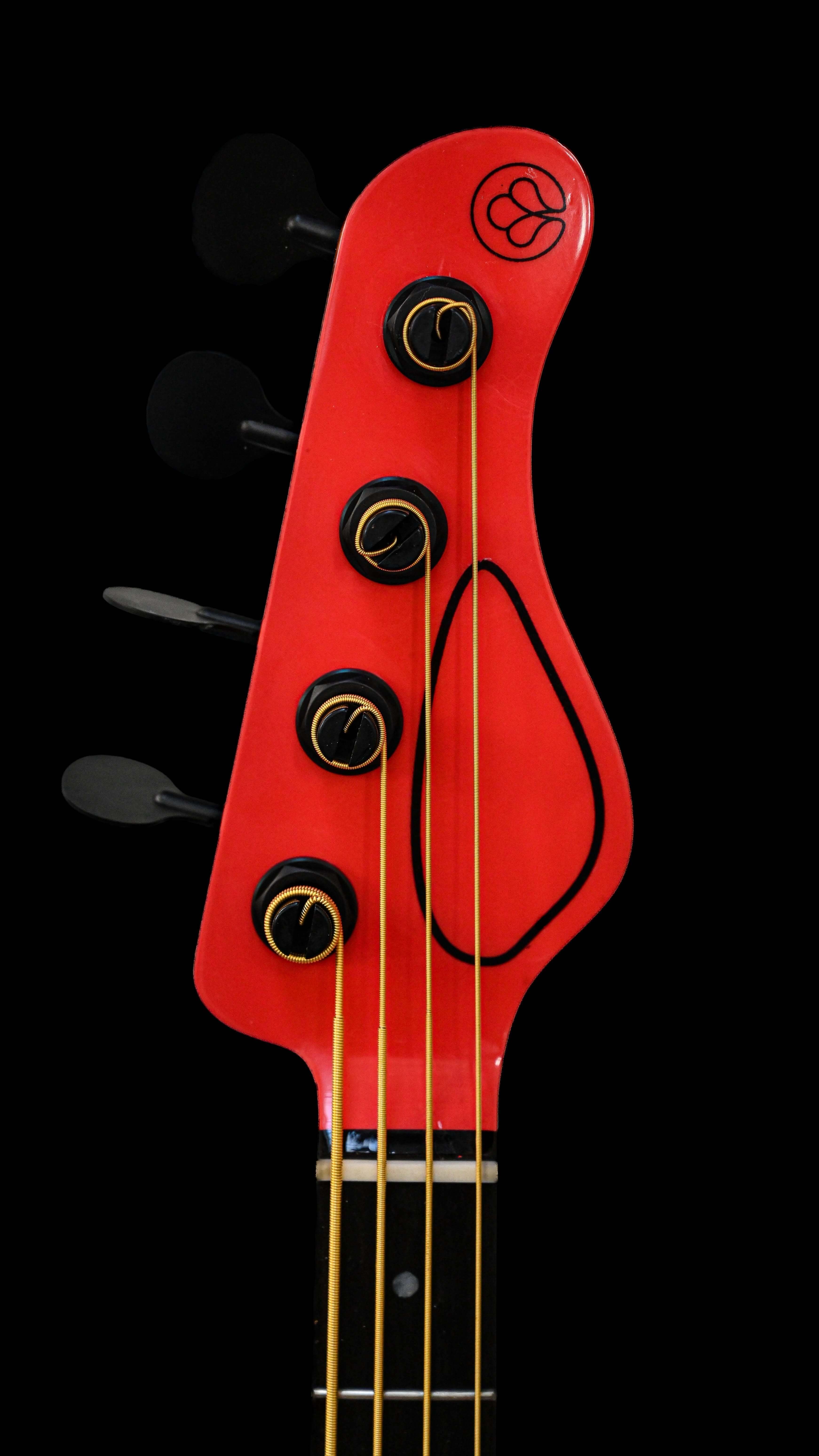
Headstock Shape: A defining visual signature, and a place for your logo or initials.
-
Knobs and Plates: Wooden knobs, custom-machined metals, engraved plates.
This is where your instrument starts telling your story visually, before a note is even played.
7. Setup and Playability: Made for Your Hands
The build isn’t complete until it’s optimized for how you play.
-
Action Height: Low for fast fingers or higher for heavy strumming.
-
String Gauge: Set up for light bends or aggressive down-tuning.
-
Tuning Preferences: Drop D? C standard? Extended range? A custom build adapts to you.
-
Nut Width and Spacing: Especially important for fingerstyle or hybrid pickers.
Shops like Belforti go through each detail during the planning phase—and many of these options are directly accessible through the guitar configurator, designed to help you explore your ideal setup without needing to decipher tech manuals.
8. Preview
Custom work used to require endless back-and-forth emails and hand-drawn sketches. Today, tools like Belforti’s online configurator make it easier than ever to visualize, combine, and compare options before talking to the builder. It doesn't replace the human connection, but it enriches the experience, especially for first-timers.
From wood choice to inlay pattern, it helps you navigate your creativity with confidence—and opens the door to questions and conversations that define true lutherie.
9. Final Chord
A custom guitar isn’t about perfection. It’s about personality. It’s not just about having something unique—it’s about having something that reflects you, crafted with intention and care.
So whether you're ready to spec out your next dream instrument or simply exploring what’s possible, remember: when you build custom, you're not just choosing parts. You're composing an instrument as singular as your sound.
And sometimes, the first step is as simple as opening the configurator and letting inspiration take over.





Share:
2025 Guitar Trends: Materials, Specs, Styles, and Sounds
Fretslots. Why ?