



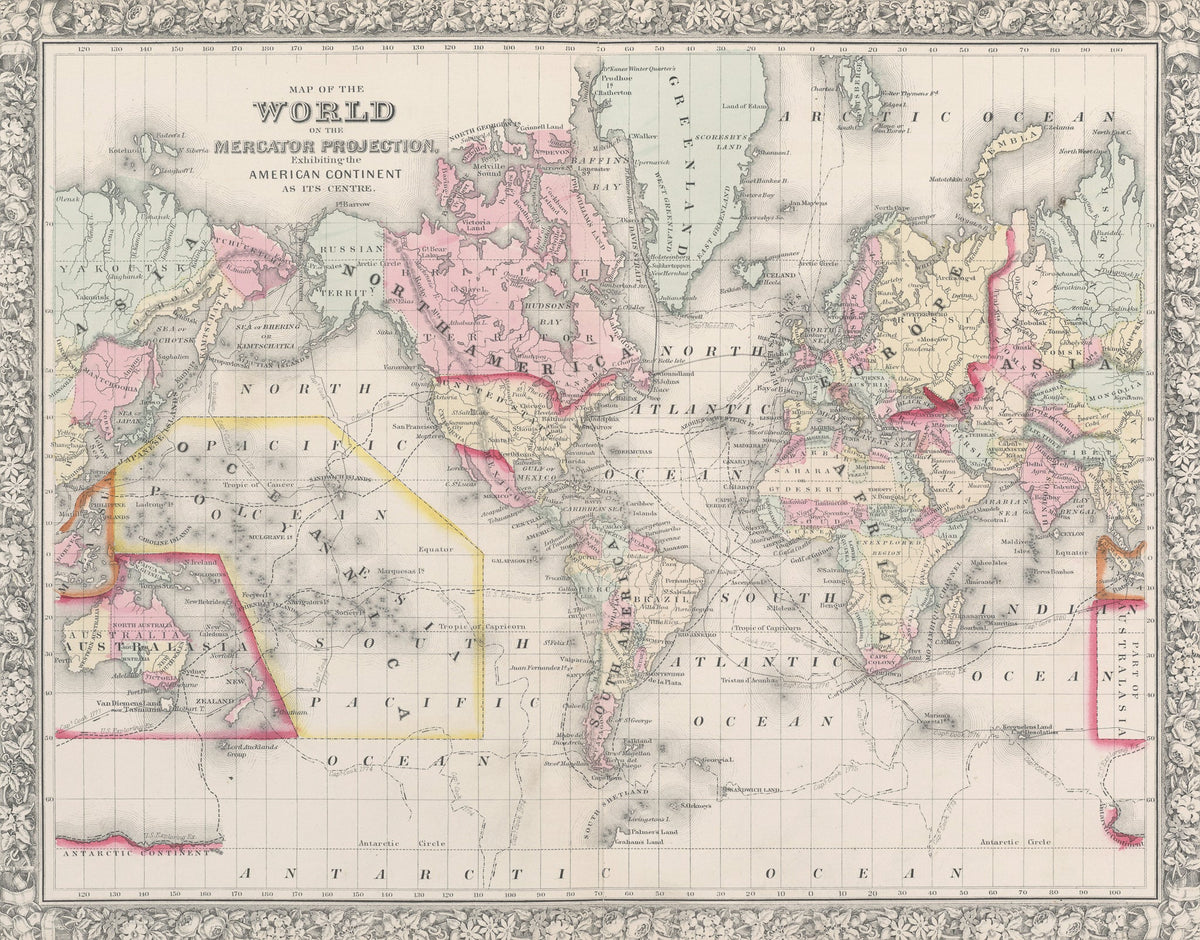
Twenty a year

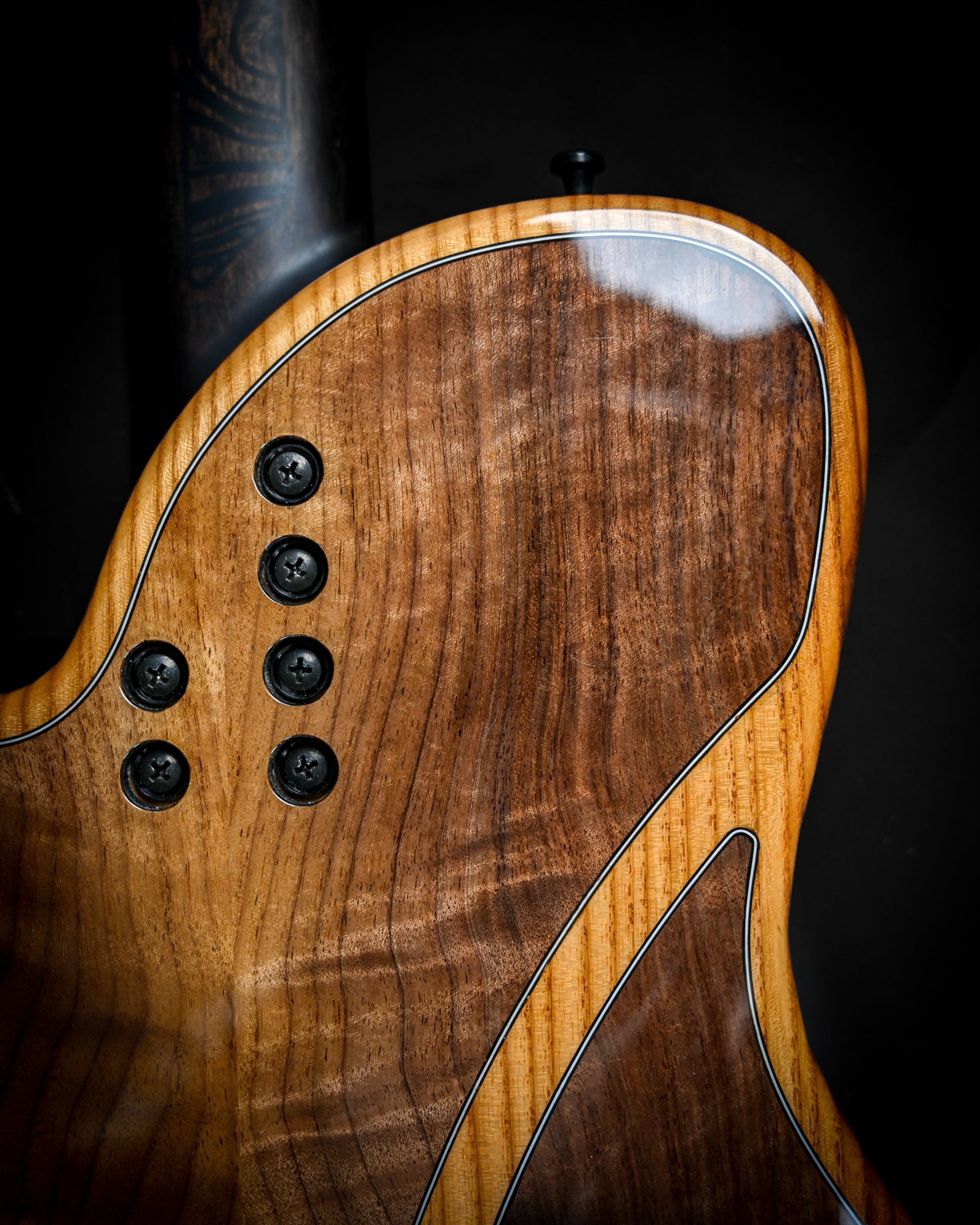
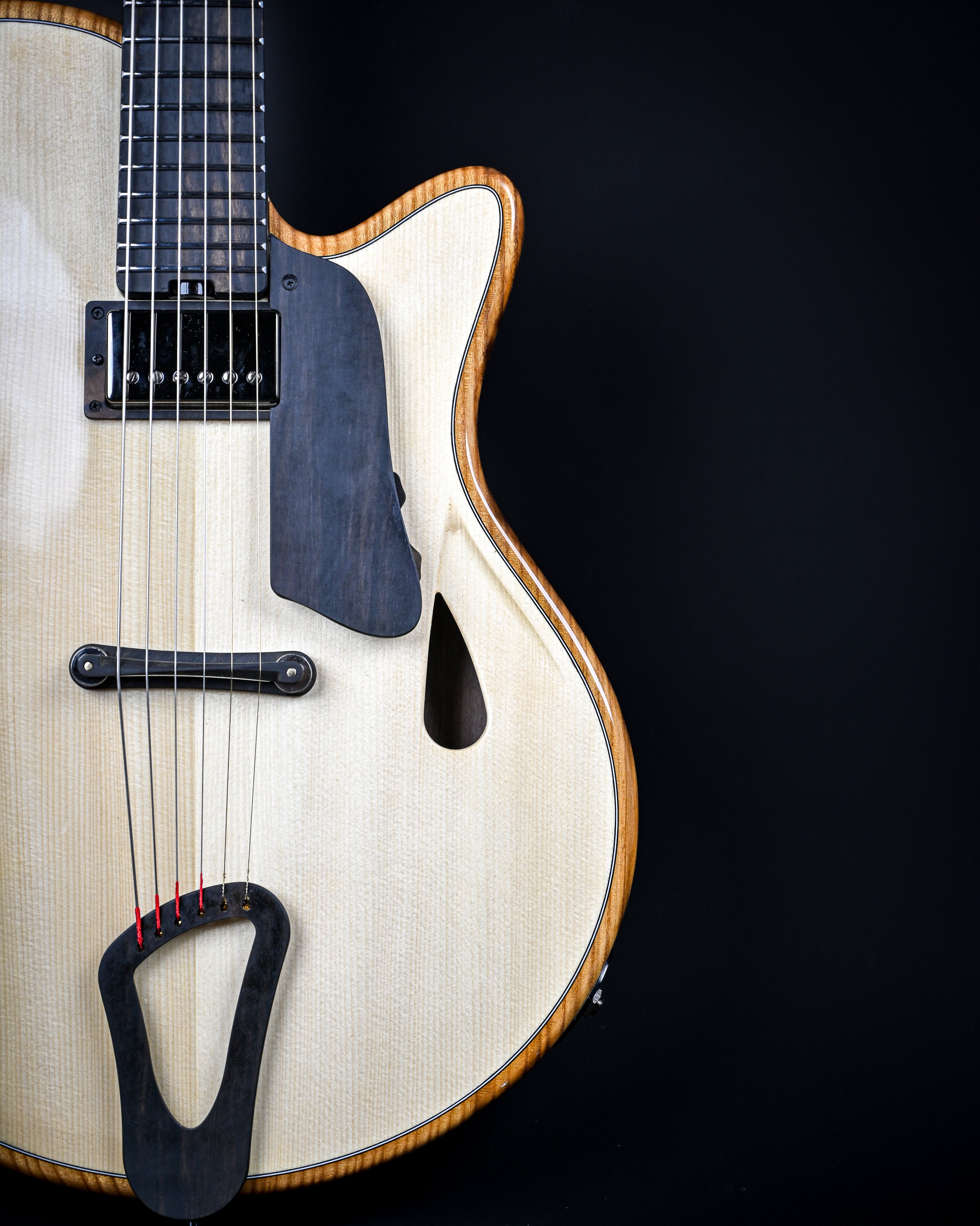
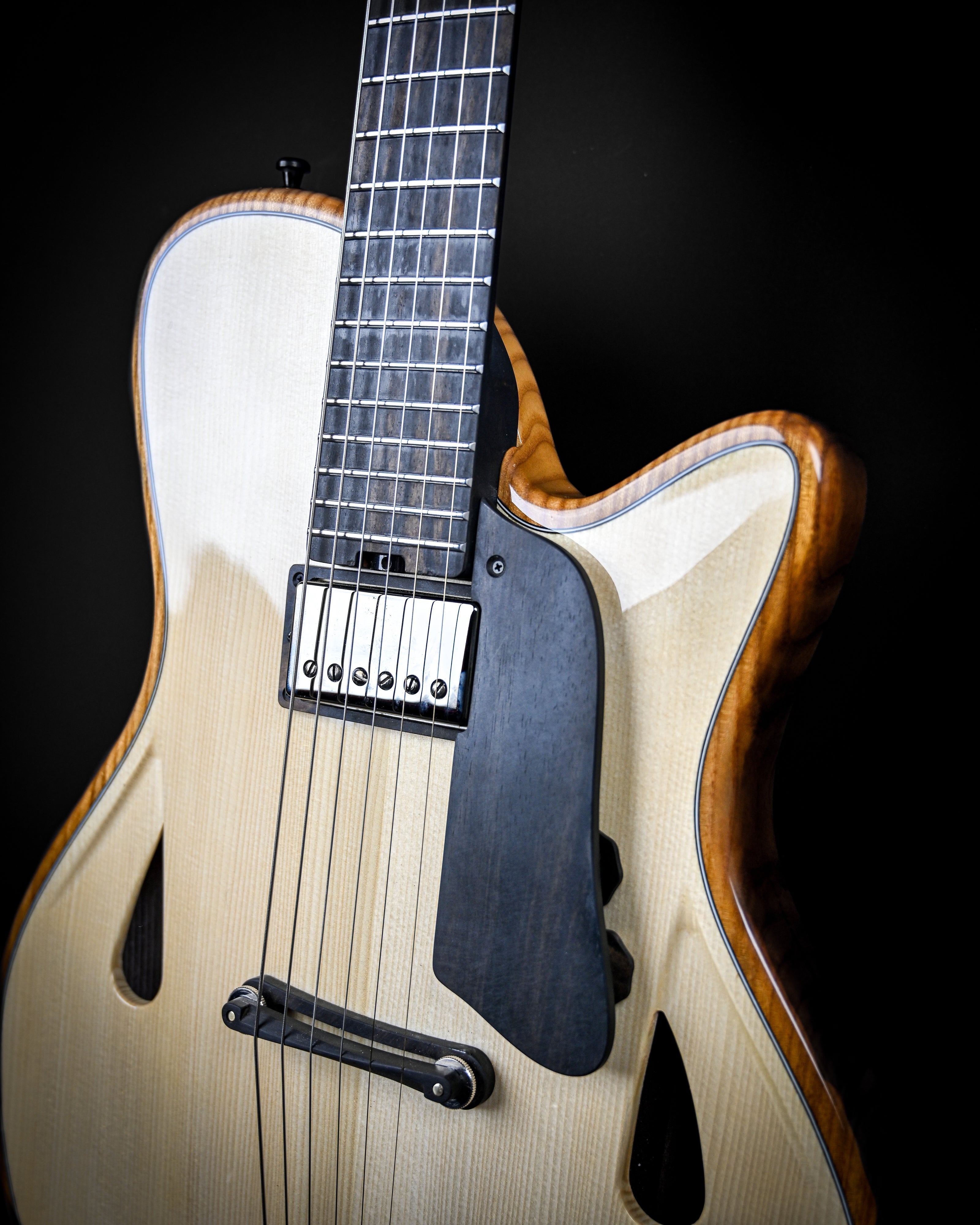
I build about twenty instruments a year, in Paris, with my own hands. That number is the whole reason this series exists.
At twenty a year you spend a long time with each one — and a long time thinking about why you do things the way you do. Most of those reasons didn't start with me. They started in Spanish workshops, Saxon villages, a cabinet shop in Pennsylvania, a radio repair shop in California. I inherited them the way everyone in this trade does: through the hands of whoever taught me, who got them from whoever taught them.
This series is me going back to find out where those reasons came from. Continent by continent, then country by country — the history, the makers working now, the music that pulled the instruments into existence, the trade that keeps them being built. It's a luthier's reading, not a journalist's: I'll tell you what I think, and I'll tell you when I'm not sure.
A few volumes of groundwork first, because the countries only make sense against them. This is the first: what a luthier actually is. The answer is less obvious than the word suggests.
Lute? What lute?

Luthier comes from luth, the French word for lute. The lute has been a niche instrument for roughly three centuries. The word stuck anyway.
That mismatch is the first real thing to understand about the trade. Lutherie was never defined by a product. It was defined by a material and a method: thin wood, bent and carved and glued into a box that has to stay in tune under tension for a lifetime. The lute was simply the instrument that mattered most in the France where the word was coined. When the violin family took over the concert hall, the same workshops — and the same word — followed. When the guitar took over everything else, so did they.
In French the word still covers the whole family: violins, cellos, guitars, mandolins, the occasional hurdy-gurdy. Bow makers get their own title, archetier; keyboard and wind makers are facteurs. English borrowed luthier in the nineteenth century and quietly narrowed it — in most English-speaking shops today, a luthier builds or repairs guitars, and a violin maker is a violin maker.
Spain, as usual with the guitar, is the exception. Spanish guitar makers were guitarreros for centuries before anyone there called them luthiers — a separate trade with its own word, its own guild quarrels and its own ideas, which is a large part of why the Spanish guitar became the Spanish guitar. That story belongs to the Spain episode. For now it's enough to know that the guitar had a craft tradition of its own in exactly one country, and borrowed its name from the lute everywhere else.
So the honest definition is a loose one. A luthier is someone who builds or repairs stringed instruments with a resonating wooden body, using methods that are recognizably the same across five centuries and half a dozen instrument families. Everything else — the tools, the size of the shop, who gets to count — is where the arguments start.
Three hundred years of "while you're at it"

The great names of early lutherie didn't build guitars. In sixteenth-century Füssen, a small Bavarian town at the foot of the Alps, lute makers were organized enough to have guild statutes by 1562 — and emigrated in such numbers that the lute trades of Venice and Padua were run by Füssen families. Cremona gave the world Amati, Stradivari and Guarneri. Mirecourt, in the Vosges, became France's violin town. Markneukirchen, in the Saxon Vogtland, was founded as a violin-making village by Protestant refugees from Bohemia, and its violin makers had a guild by 1677. These were the centers of the trade. Guitars came out of them, but as a sideline — something the shop made between violins when a customer asked.
That held for roughly three hundred years. The guitar was popular, portable and cheap, and the trade's prestige stayed with the instruments the court and the church paid for. The one exception, again, was Spain, where the guitarreros built almost nothing else — which is why, when the modern classical guitar finally took its shape in the 1850s, it took it in Seville and Almería rather than Cremona. The builder was Antonio de Torres, and he gets his own chapter in the Spain episode.
The second pivot is a guild dispute. In Markneukirchen in the early 1830s, the violin makers' guild claimed that guitar-making belonged to it, and tried to stop the town's cabinet makers from building guitars at all. One of the cabinet makers' sons had trained in Vienna under Johann Georg Stauffer, among the finest guitar makers of the period, and had no interest in being told which guild he belonged to. In 1833 Christian Frederick Martin left for New York, and in 1839 for Nazareth, Pennsylvania. The company that still carries his name is the oldest guitar maker in America, and the Saxon violin-town tradition — thin plates, careful bracing, a workshop organized for consistency — went with him. That is a considerable part of what an American steel-string guitar is.
The third pivot came from outside the trade entirely. Orville Gibson, in Kalamazoo in the 1890s, carved guitar and mandolin tops like violin plates — a luthier's instinct applied to the wrong instrument, and the origin of the archtop. But the people who made the electric guitar were not luthiers at all. George Beauchamp, who put a magnetic pickup on an aluminum lap steel in 1931, was a musician and a tinkerer. Leo Fender ran a radio repair shop in Fullerton, California, and designed the Esquire, the Broadcaster and, in 1951, the Precision Bass as objects to be manufactured — bolt-on necks, flat slab bodies, parts a shop assistant could replace. Nothing about it was lutherie as Cremona would have understood it. All of it worked.
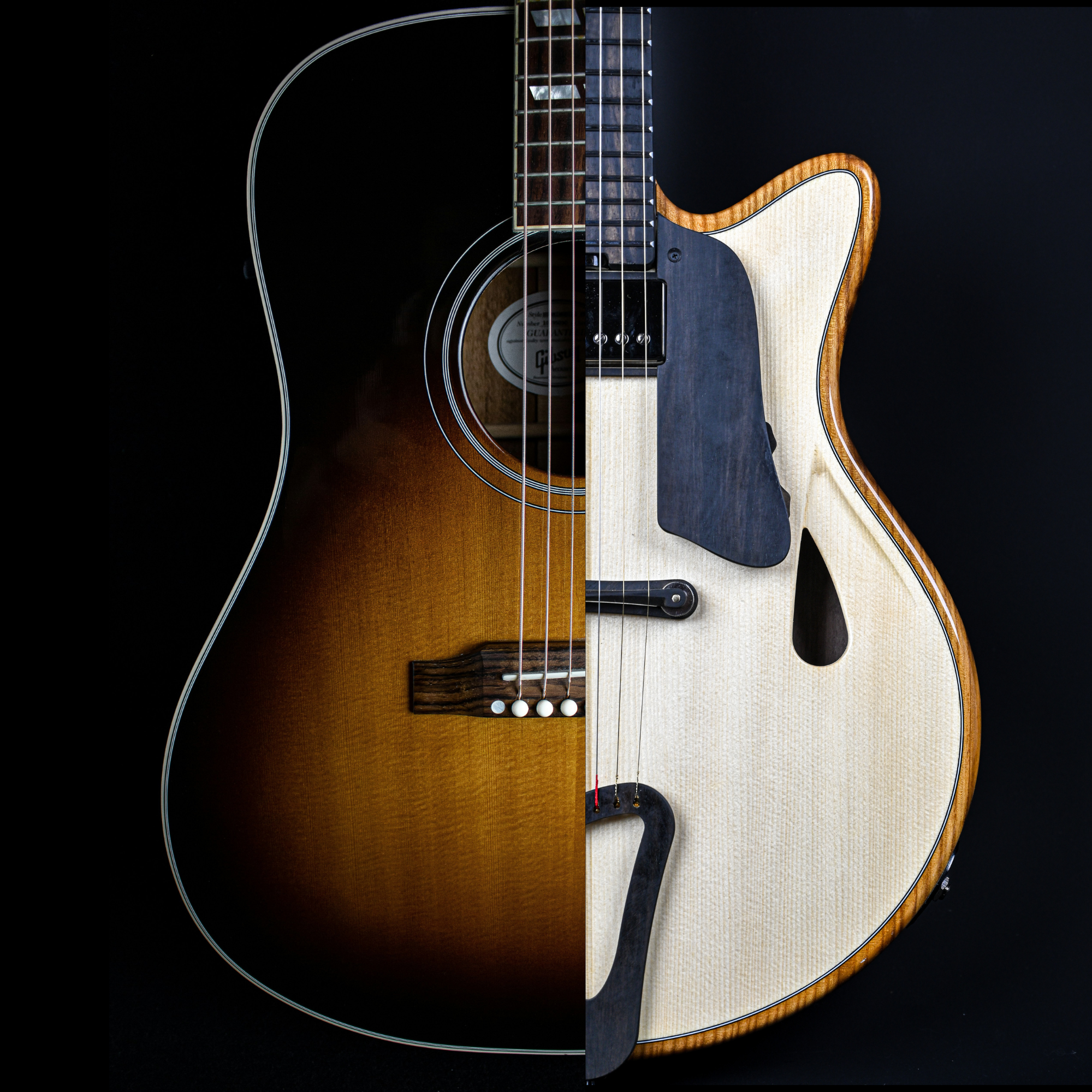
So by 1960 the trade had three kinds of guitar in it: the Spanish classical, built the Spanish way; the steel-string, built the Saxon-American way; and the electric, built the way a radio is built. The people building them did not consider themselves the same trade, and for a while they weren't.
What reunited them was the boutique era. From the late 1960s — Alembic in San Francisco, then Travis Bean, Rick Turner and a handful of others — small shops began applying lutherie's standards to the electric guitar: better wood, better joinery, neck-through construction, setup treated as a discipline rather than an afterthought. At the same time the classical and steel-string worlds were turning their attention to what could be measured and improved. By the 1980s the word luthier meant someone who built any of the three, by hand, in small numbers, with opinions. That is the trade this series is about.
Pick a number
Ask what a guitar factory is and the useful answer is a number. The tiers of the trade are defined by annual output, and the output decides almost everything else — who makes the decisions, what the tools are, what a mistake costs.
The factory — tens of thousands of instruments a year and up. Work is divided by station: one person or one machine does one operation all day. The great skill of a factory is consistency, and it is a real skill. A good factory guitar is a feat of process engineering that no solo builder could reproduce at the price. The tradeoff is that no single person has held the whole instrument in their head. Design happens in one building, building in another, often in another country.
The workshop — low thousands a year. A founder or a design team still sets the specs, a trained crew builds to them, and the floor is small enough that a problem on the bench reaches the person who drew the plan. Most of the respected mid-size makers in Europe and America live here. The tradeoff is that the maker's hand is in the design and the standards, not in the sanding.
The boutique — a few dozen to a few hundred a year, from a team you could seat at one table. One or two people build; the others finish, wire, set up. The customer usually talks to the person whose name is on the headstock. The tradeoff is price, and a quiet dependence on a few key people: when the one who carves necks leaves, the necks change.
The bench — ten to forty a year, one pair of hands from first sketch to final setup. No division of labor, no process standing between a bad day and the instrument built on it. What you get in exchange is total accountability: every decision on the instrument was made by the person who will answer for it, and they can change one thing at a time and hear what it did.
The lines blur at every border. Factories run custom shops that work like boutiques. Boutiques buy in necks or bodies. Solo builders run CNC machines. A famous name on the headstock may have designed the instrument, approved the instrument or merely licensed the instrument, and the label rarely says which.
None of these tiers is the moral one. The factory put a playable guitar in more hands than every luthier in history combined, and most people in this trade learned on one. The bench exists to make a different kind of object, not a better kind of person. The useful question is never which tier is real lutherie — it's what did I actually get, and who decided it.
By hand, allegedly

Handmade is the most used and least defined word in the trade. On a factory label it can mean that a person, rather than a robot, operated the machine. On a solo builder's website it can mean the same thing. The word tells you almost nothing about the tools, and the tools are what people think they're asking about.
So start with the tools. A CNC router is a machine that cuts wood to a drawing, to a tolerance a hand can't match, as many times as you ask. Every tier of the trade now uses one, including a large share of solo builders — it cuts neck blanks, routs cavities, roughs out a body in twenty minutes instead of an afternoon. I run one in my own shop. The honest position is that CNC has no effect on the quality of a guitar in either direction: it reproduces the drawing exactly, and the drawing is either good or it isn't. What it changes is where the maker's time goes. A builder who has handed the roughing to a machine spends that afternoon on the parts no machine does well — the final neck carve, the fretwork, the setup, the listening.
A machine reproduces the drawing exactly, and the drawing is either good or it isn't.
Where the word actually breaks is at the other end: hand finishing. "Hand-finished" means the last pass was done by a person. It says nothing about the first ninety. Plenty of instruments called handmade were machined, sprayed and assembled by process, then hand-sanded for the photograph. There's nothing wrong with the instrument. There's something wrong with the word.
A more useful test replaces how with who. Three questions:
- Who decided? Did one person, or one small group, make the design choices — scale, bracing, neck profile, the twenty small calls that add up to a voice — and are they the same people who built it?
- Who touched it? Did the hands that shaped the neck also fret it, set it up and play it before it shipped? Or did it pass through eight stations and a checklist?
- Who answers? When the instrument comes back with a problem, is the person who looks at it the person who made the decision that caused it?
A factory answers no to all three, and that's fine — it's selling consistency. A workshop answers yes to the first and no to the others. A boutique answers yes to the first two, for some of its instruments. The bench answers yes to all three, every time — same bench, same hands, from the drawing to the case — and that, not the absence of machines, is what the word handmade was trying to say.
By that test, a solo builder with a CNC is making handmade instruments and a factory with a hand-sanding station is not. Most people, pressed, would agree. The label on the headstock usually won't tell you. Asking will.
Apprentice, graduate, invoice

For most of its history the trade had one way in: you apprenticed. Seven years, give or take, in someone else's shop, doing what you were told until you had absorbed what couldn't be said. The great European centers ran on it — Cremona, Mirecourt, Markneukirchen — and the guild decided who was allowed to set up alone. The system produced extraordinary makers and guarded its knowledge jealously, which is why so much of that knowledge was lost whenever a center declined.
The twentieth century replaced it with the school. Violin making went first: the national school at Mirecourt, the international school at Cremona, Newark in England, Mittenwald in Bavaria. Guitar building followed in the 1970s, mostly in America — Roberto-Venn in Phoenix from 1975, and later the Galloup School in Michigan, Red Wing in Minnesota and a dozen others. A school compresses the apprenticeship: a year or two of intensive building, repair and setup, with the knowledge written down rather than withheld. It also changed who becomes a luthier. The apprentice was usually a boy from the town. The student is a thirty-five-year-old engineer who has been playing since fourteen and wants to build the guitar nobody sells.
In parallel, the guild became the association. The Guild of American Luthiers, founded in 1972, is in effect the trade's open-source project — it has spent fifty years publishing exactly the kind of knowledge the old guilds kept secret. The Association of Stringed Instrument Artisans, the European Guitar Builders and their Holy Grail Guitar Show in Berlin, France's APLG: these are where the trade talks to itself now, and where a builder in a village meets the forty others doing the same thing.
Then there is the question of how a luthier actually makes a living, and here the romantic picture needs correcting. Most luthiers earn most of their income from repair and setup, not from building. A build takes weeks or months and sells once; a setup takes an afternoon and the player comes back next year. The repair bench pays for the build bench — and the repair bench is also the best education in the trade, because it puts five hundred other people's instruments through your hands and shows you precisely how each of them fails. Builders who have never repaired tend to make the same mistakes with great confidence.
The working day, then, is less a lone craftsman at a carving bench and more a small business: three repairs due Friday, a build at the gluing stage, a customer who wants to talk about pickups, wood to order before the price moves, and an association asking for a show deposit. The carving happens. It just happens inside all of that.
From the bench

Here is what I think a luthier is, now that I've been one long enough to have changed my mind twice.
Not a person who refuses machines. Not a person who builds a particular instrument, or a particular number of them. A luthier is the person who is accountable for the whole instrument — who made the decisions, understands the tradeoffs behind them, and will be standing there when the thing comes back in ten years with a question. The tools are incidental. The accountability isn't.
That definition has a cost, and I want to be straight about it. Working at the bench — one pair of hands, twenty instruments a year — gives up a great deal. It gives up consistency: no process stands between a bad week and the instrument built during it. It gives up volume, which means it gives up price, which means most players will never own one. It gives up the deep specialization a factory can afford, where one person has fretted ten thousand necks and is better at it than I will ever be.
What it buys is the ability to change one thing. On a factory line a design change takes a year and a committee. At the bench, if the last guitar's low end was a shade woolly, the next one's bracing moves a few millimeters and I find out in six weeks whether I was right. Twenty instruments a year is twenty experiments a year, and every one of them has a customer's name on it, which keeps the experiments honest.
That's the whole deal. Less certainty, more responsibility, and an instrument one person can explain from end to end — because one person made it.
The rest of this series is about everyone else who took that deal, and what they did with it.
Reference
Terms used in this volume
- Luthier — builder or repairer of stringed instruments with a resonating wooden body. From the French luth, lute.
- Guitarrero — Spanish guitar maker; the one tradition where the guitar had a trade name of its own.
- Archetier — bow maker.
- Archtop — a guitar with a carved, arched top in the violin manner. Orville Gibson, 1890s.
- Bracing — the internal struts that stiffen a top and shape its voice.
- Kerfed lining — the notched strips that join a guitar's sides to its top and back.
- CNC — a computer-controlled router that cuts wood to a drawing.
- Setup — the final adjustment of a finished instrument: action, neck relief, nut and saddle heights, intonation.
Share:
The Truth About Wood Ratings