



We write about instruments the same way we build and repair them: evidence first, dogma never. Some pieces settle arguments. Some explain how things actually work. Some are just the stuff worth knowing. Three series, one rule — nothing here we can't source.
I'm Right, You're Wrong
The title is the joke, and the joke is the method.
Every essay plants a flag in the most insufferable way possible — I'm right, you're wrong — then spends the next two thousand words doing the exact opposite of what that promises. Weighing the evidence. Citing the studies. Conceding what the other side gets right. Admitting, at length, that it's complicated, that the honest answer has caveats, that reasonable people land in different places. And then, having walked you through all of it: anyway, doesn't matter, I'm right, you're wrong.
That's the whole bit. The front claim is never the point — the nuance in the middle is. The series wears the face of everything we argue against: the confident hot take, the unsourced assertion, the guy who wins debates by saying it louder. Then it smuggles the antidote inside the costume. Wry, off-kilter headers over dead-serious content. Nonsensical illustrating images over carefully sourced claims. Unearned swagger, entirely on purpose, wrapped around an argument that earns every line.
The format is the parody. The sourcing is the point.
The Truth About…
The deep dives. No posturing, no fight to pick — just one subject taken apart down to the studs.
We pick a topic — tonewoods, scale length, strings, finishes, necks — and lay out the whole thing in order: what's actually been measured, what's craft tradition handed down because it works (or because everyone assumes it does), and what's marketing wearing the costume of fact. Three buckets, kept strictly separate, because most of the confusion in this trade comes from someone quietly moving a claim from one to another. When the research is solid, we tell you. When it's thin, or contradictory, or just absent, we tell you that too — "we don't fully know yet" is an answer, and a more honest one than most of what's online.
It's the series for the reader who's tired of buying guides that rank seven woods by "warmth" and call it information. Cited throughout, linked to the primary sources, written so you can go check the work and disagree with us on the merits. That's the whole point: hand you the map, mark where the roads actually go, and let you drive.
General Articles
Everything else worth writing down — the stuff that doesn't need a thesis, just an honest explanation.
How-to guides written from the bench: truss rods and neck relief, what a real setup does and doesn't fix, when swapping a pot is worth it and when it isn't. The craft and history of the trade — why Paris has built instruments for centuries, what hand-built actually means once you strip the romance off it. And the occasional look behind the curtain at how we work, what we build, and the reasoning behind the choices most shops never explain.
No affiliate links, no ranked lists, no "top ten" filler. If we wrote it down, it's because a customer asked, a repair taught us something, or we got tired of seeing the wrong answer repeated. Practical, bench-tested, and written by the person actually holding the tools.
Infos, Hot Takes and Science
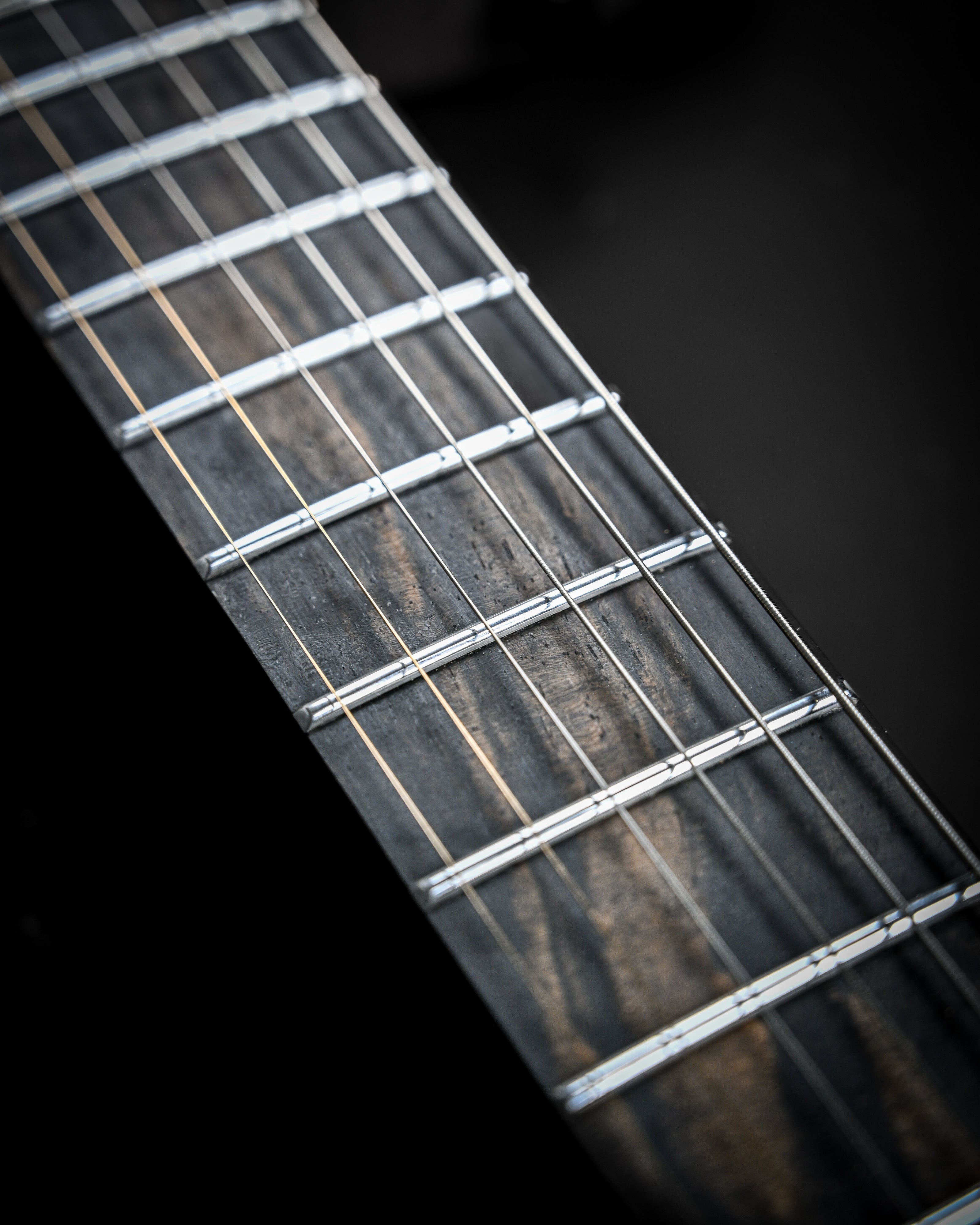
IRYW : Why Stainless Steel Frets are a Waste of Money
In this first article of our new series : I’m Right, You’re Wrong, we delve into the comprehensive discussion about stainless steel frets. We examine the touted benefits of durability and longevity against the increased costs and maintenance requirements. Uncover insights into how these frets affect playability, tone, and the overall health of your guitar. Whether you're a touring professional or a casual player, find out if stainless steel frets are truly a worthy investment for enhancing your guitar's performance over time.
Read moreabout IRYW : Why Stainless Steel Frets are a Waste of Money

- 0 commentson The Truth about Guitar Finishes
- by Marin Nourry
The Truth about Guitar Finishes
Does nitrocellulose really sound better? Does a finish let the wood "breathe"? This deep dive goes to the peer-reviewed measurements and finds the answer is sharper than either camp wants: the finish does change the wood — but at equal thickness, nitro, shellac, and modern reactive finishes do exactly the same thing. The real tonal variable isn't the chemistry, it's how thin the coat is. Plus why, on an electric, the finish is an aesthetic choice and nothing more. No fluff, no dogma — just what's actually on the wood.
- 0 commentson The Truth About Tonewoods - Part 1
- by Marin Nourry
The Truth About Tonewoods - Part 1
Discussing tonewoods… or how to make new enemies in the guitar building industry. Sounds like a plan !
This article delves into the intricate world of tonewoods and musical instrument construction, highlighting the balance between tradition and innovation. It explores the scientific properties of woods, the impact of construction techniques on sound, and the importance of sustainability in material selection. Case studies exemplify practical applications, while challenges like debunking myths and ensuring sustainable practices point towards future directions in lutherie.
- 0 commentson The Truth About Guitar Necks
- by Marin Nourry
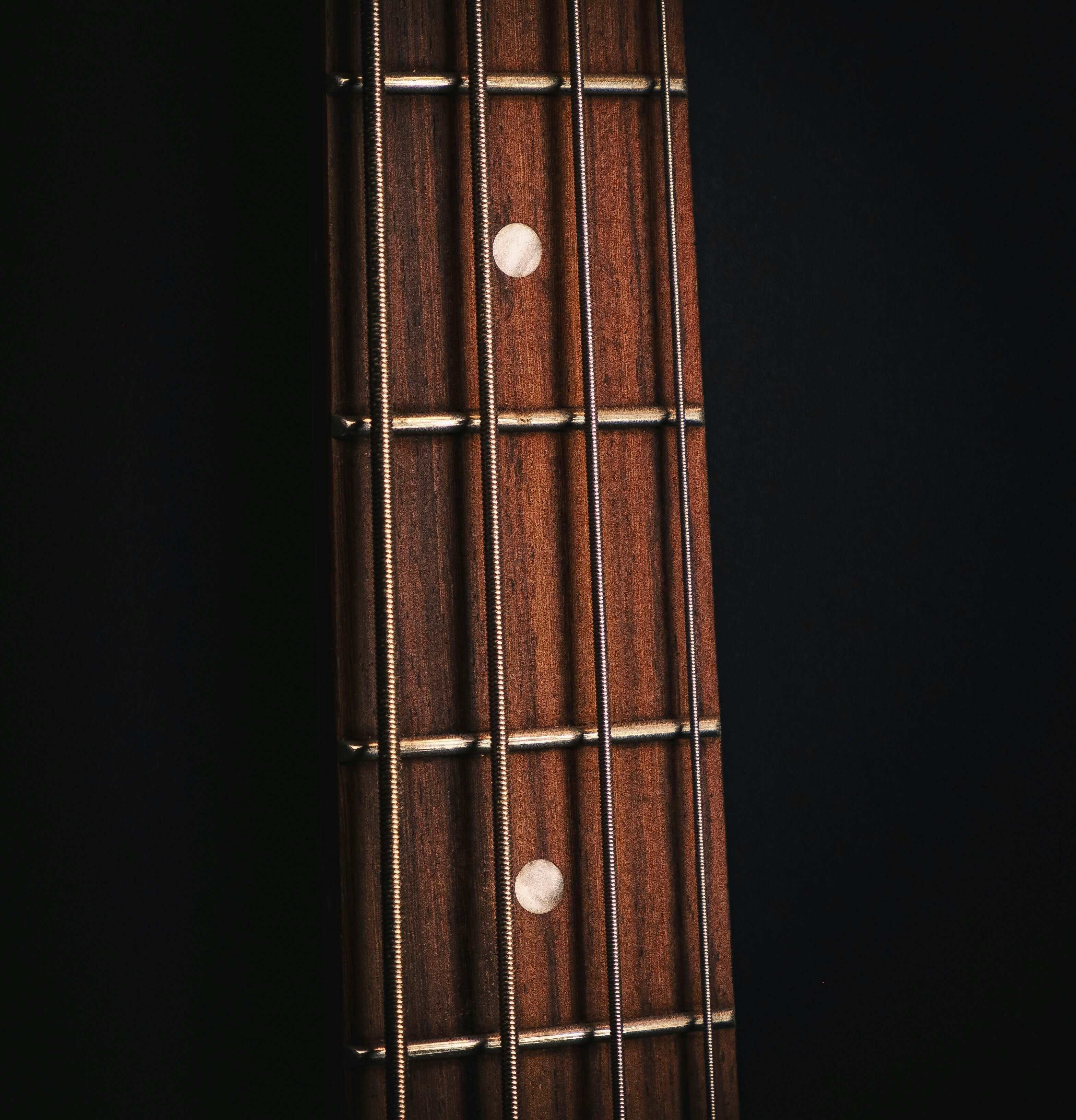
This article delves into the nuanced aspects of guitar construction, focusing on neck joint types, grain orientation, and the choice between laminated and one-piece necks. It challenges common myths with scientific evidence, revealing that factors like material choice and craftsmanship significantly influence tone and sustain, rather than neck joint type alone. Both laminated and one-piece necks have their merits, with considerations for stability, tone, and aesthetics guiding builders and players. The piece advocates for a holistic approach in guitar design and selection, emphasizing personal preference and the interplay of various construction elements.
- 0 commentson Pickups Unveiled
- by Marin Nourry
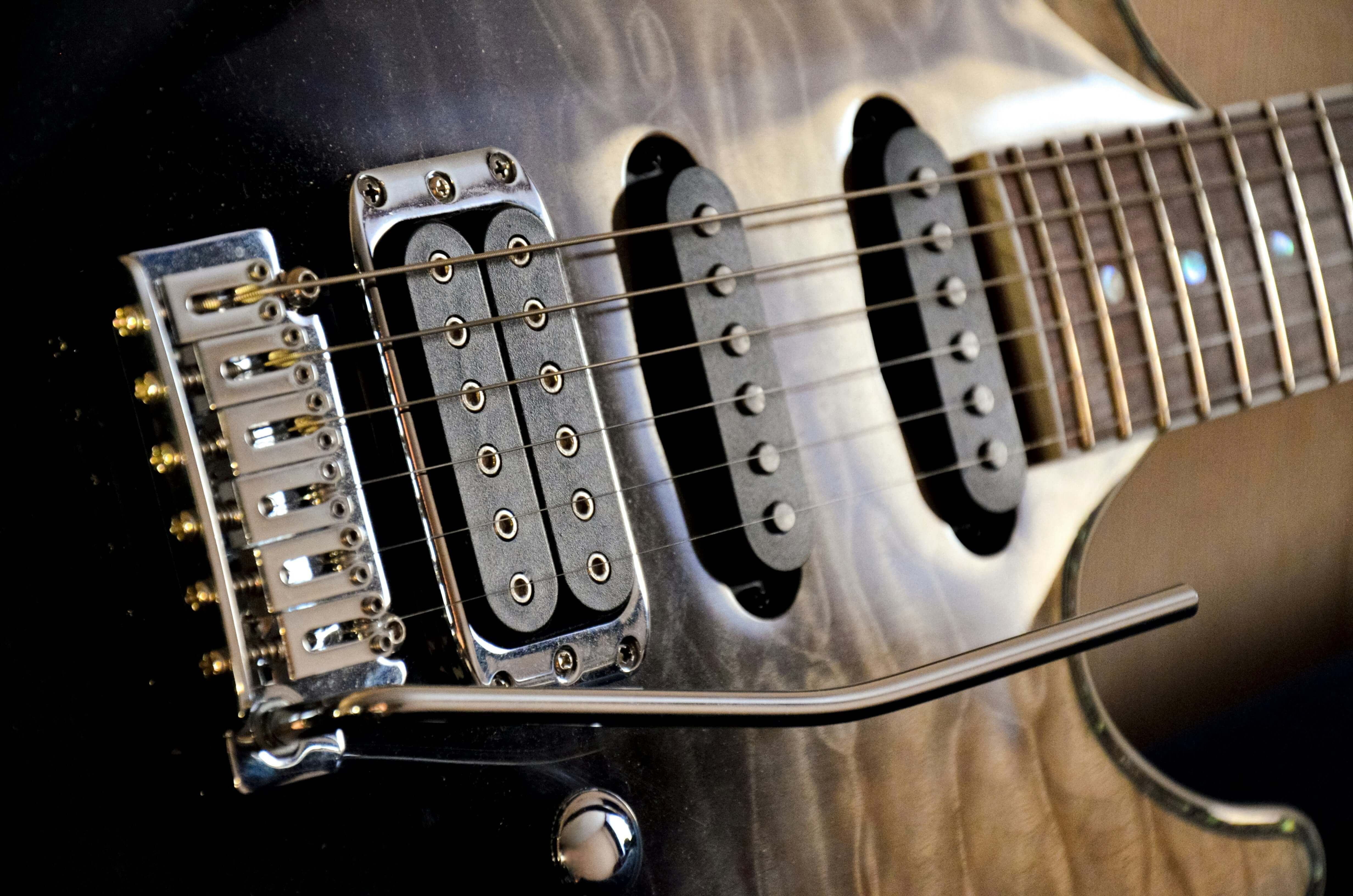
This comprehensive guide delves into the intricate world of guitar and bass pickups, exploring their mechanics, history, types, and impact on the instrument's tone. From the evolution of single-coils and humbuckers to the latest in digital and modeling technologies, the article examines how different pickups shape musical expression. It also looks forward to the future of pickup technology, anticipating advancements in materials, active electronics, and sustainable designs, highlighting their role in the continuing innovation of guitar and bass sound.
- 0 commentson The Path to Becoming a Professional Luthier
- by Marin Nourry
The Path to Becoming a Professional Luthier
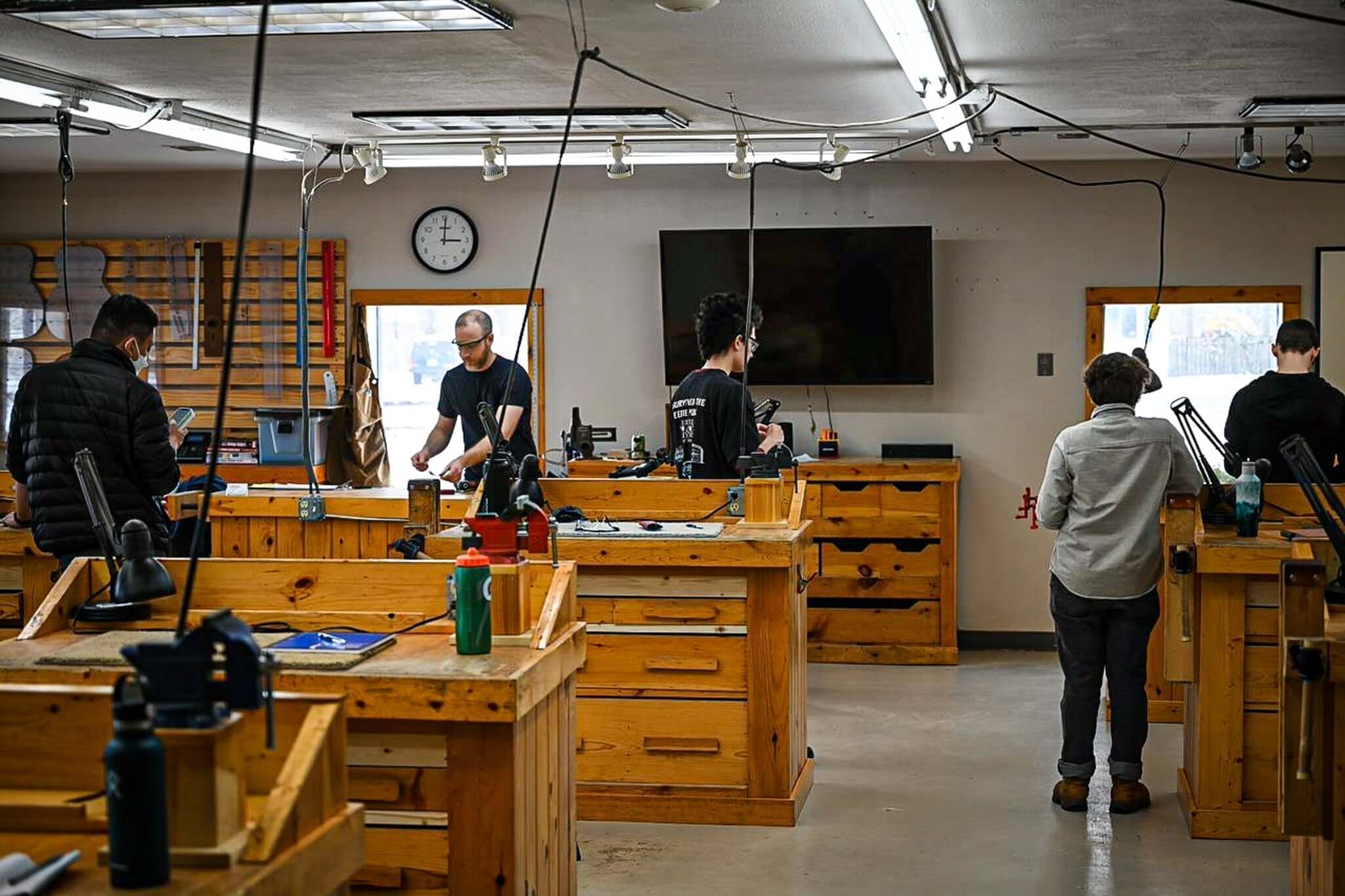
Lutherie is an unregulated trade: no qualification is required to practise, and no certificate guarantees a good instrument. Here are the three real routes into the craft, the schools worth knowing, and how to tell a serious maker from someone with a workbench and a website.
- 0 commentson Tone & Terminology
- by Marin Nourry
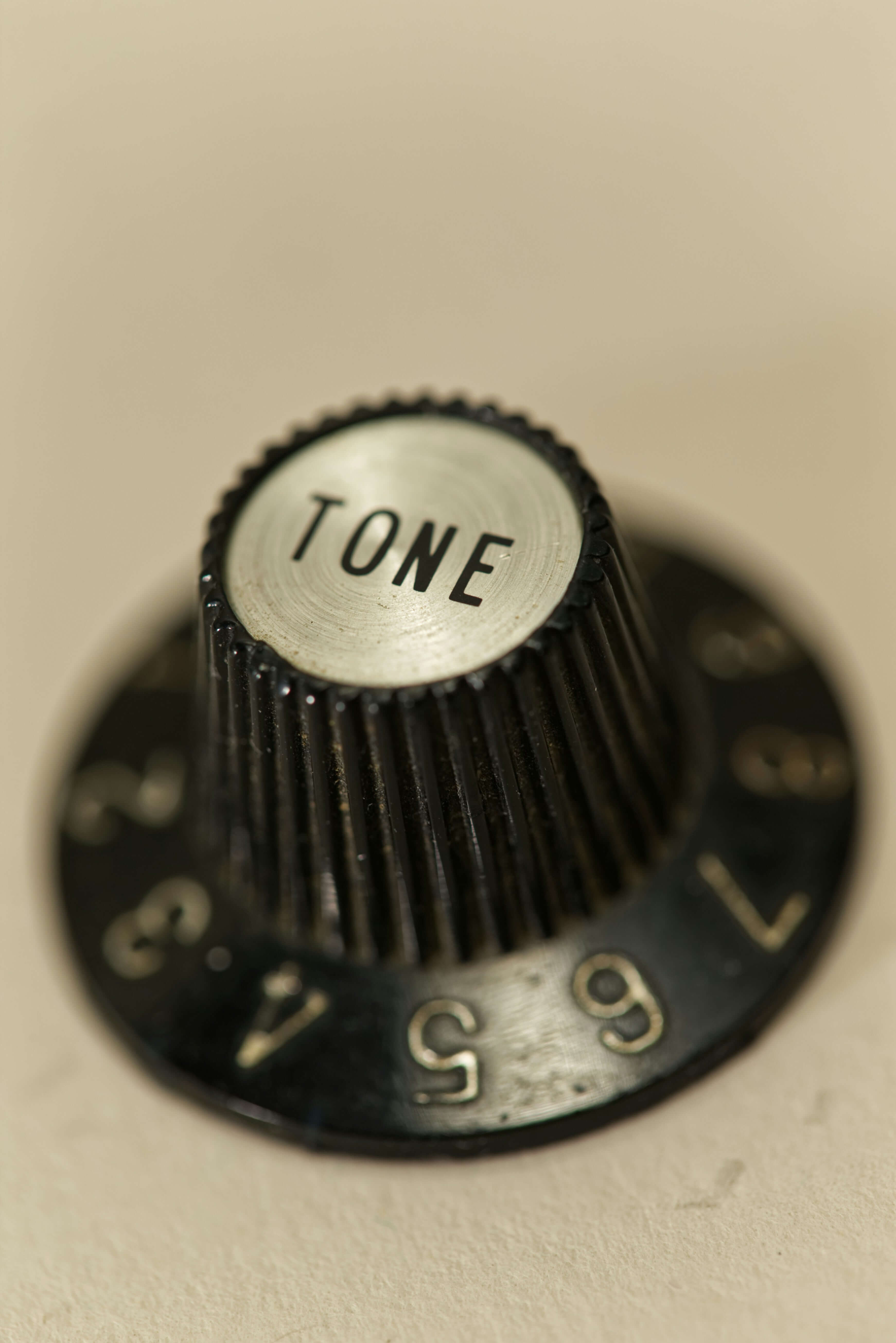
Explore the nuanced world of guitar tone through a standardized lexicon of musical terminology. This article demystifies the jargon, clarifying the impact of frequency, harmonics, and dynamics on your sound. It also examines how individual technique and equipment choices contribute to the unique tonal fingerprint of a guitarist, whether playing solo or blending in with a group.

- 0 commentson Science, Pseudoscience and Lutherie
- by Marin Nourry
Science, Pseudoscience and Lutherie
Explore the intersection of science and myth in guitar craftsmanship with "Science, Pseudoscience, and Lutherie." This article's goal is to provide a solid intellectual foundation for players, builders, and actors of the lutherie and music world to navigate myths and pseudoscientific speech

- 0 commentson The Anatomy of a Guitar
- by Marin Nourry
Explore the craftsmanship of both electric and acoustic guitars with our detailed guide that dives deep into the anatomy of these beloved instruments. From the strategic placement of the tuning pegs to the precise engineering of the truss rod, we unravel the secrets behind the components that shape their unique sounds and playability. Gain insights on how the subtle variations in parts like the bridge, pickups, and body can influence tone and performance, offering players and enthusiasts a richer understanding of their instruments.

- 0 commentson The Truth about Roasted Woods
- by Marin Nourry
Roasted wood is sold as all upside: instant vintage tone, more resonance, more stability, lighter weight — and no downside. That's the tell. This deep dive goes to the materials science and finds the honest split: the stability and weight benefits are real and well-documented, the "instant aged tone" is a metaphor, not a mechanism, and the trade-off the sales copy never mentions is brittleness — the same chemistry that buys you stability costs you toughness. For luthiers, players, and skeptics. No fluff, no dogma — just what the heat actually did.
- 0 commentson The Role of Electronics in Bass Guitars
- by Marin Nourry
The Role of Electronics in Bass Guitars
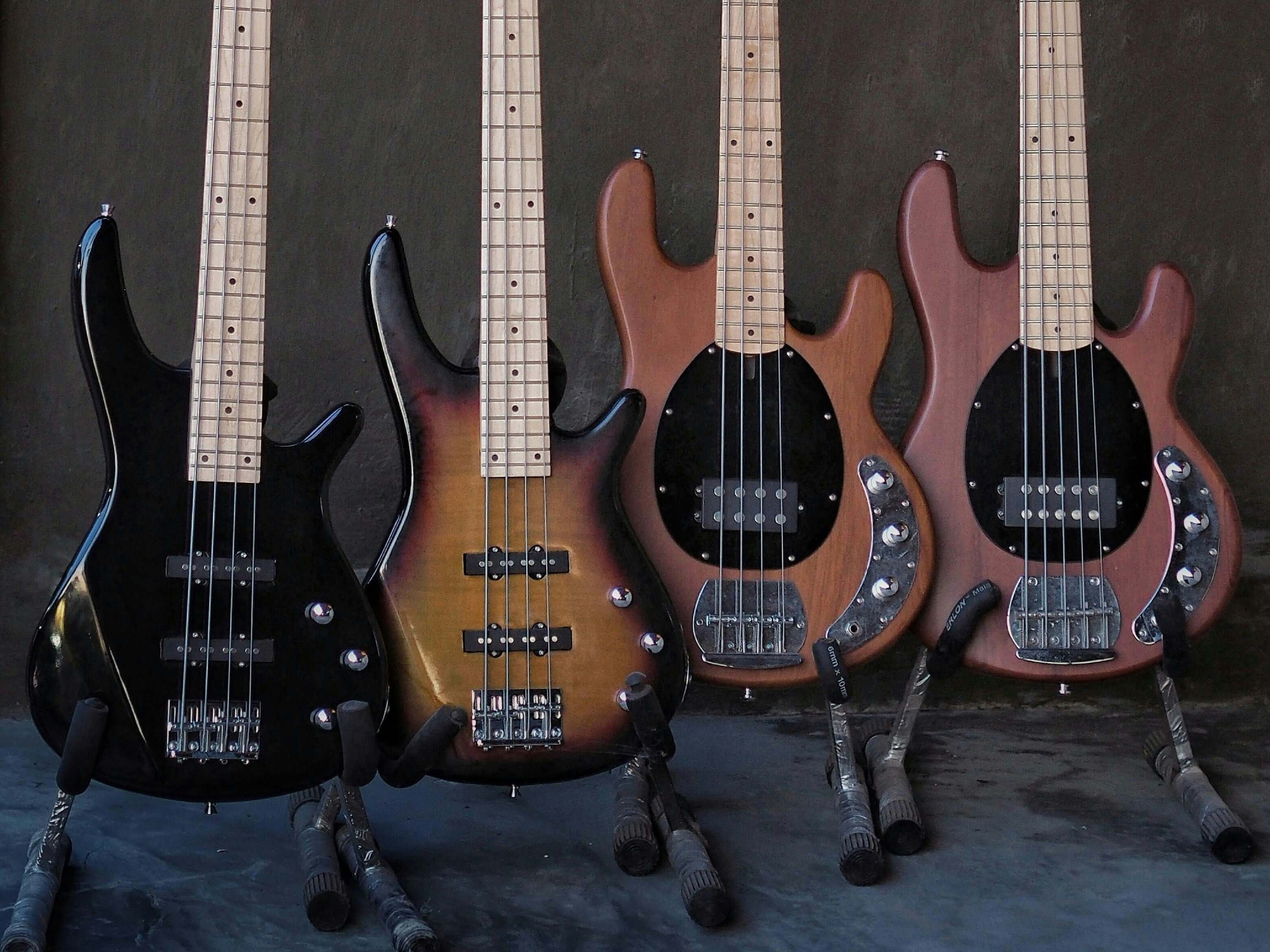
The electronics in a bass guitar are critical components that greatly influence your sound. From the type of pickups to the onboard preamp and even the internal wiring, understanding these elements is key to mastering your tone. As technology advances, bassists have an ever-growing array of options for shaping their unique sound.

- 0 commentson Man or Machine ?
- by Marin Nourry
Are we, guitar builders, going to be replaced by machines ? And if it’s the case, is it actually bad news ? Let’s find out !
Explore the enduring debate between handcrafted and machine-made guitars, examining the advantages and drawbacks of each method. From the unparalleled craftsmanship of a luthier to the precision and scalability of modern machinery, both approaches offer unique qualities that appeal to different musicians. The article aims to shed light on this topic, helping you decide which method aligns with your preferences and needs.

- 0 commentson The Truth about Scale Length
- by Marin Nourry
What does scale length actually do — and what does the internet only think it does? This deep dive separates the measurable physics from the folklore: how scale length sets fret spacing and string tension, where its tonal effect is real and where it's overstated, and why the reverse-headstock "tone mod" and dead string length beyond the nut and saddle change nothing about your pitch. For luthiers, players, and skeptics. No fluff, no dogma — just the geometry.

- 0 commentson A Pro Luthier’s Bibliography
- by Marin Nourry
Explore the science behind guitars with our carefully curated bibliography of academic papers. This resource offers in-depth insights into the acoustics, engineering, and physics that make guitars resonate. Whether you're a luthier, a musician, or just passionate about guitars, this comprehensive guide will deepen your understanding of this iconic instrument