



Introduction
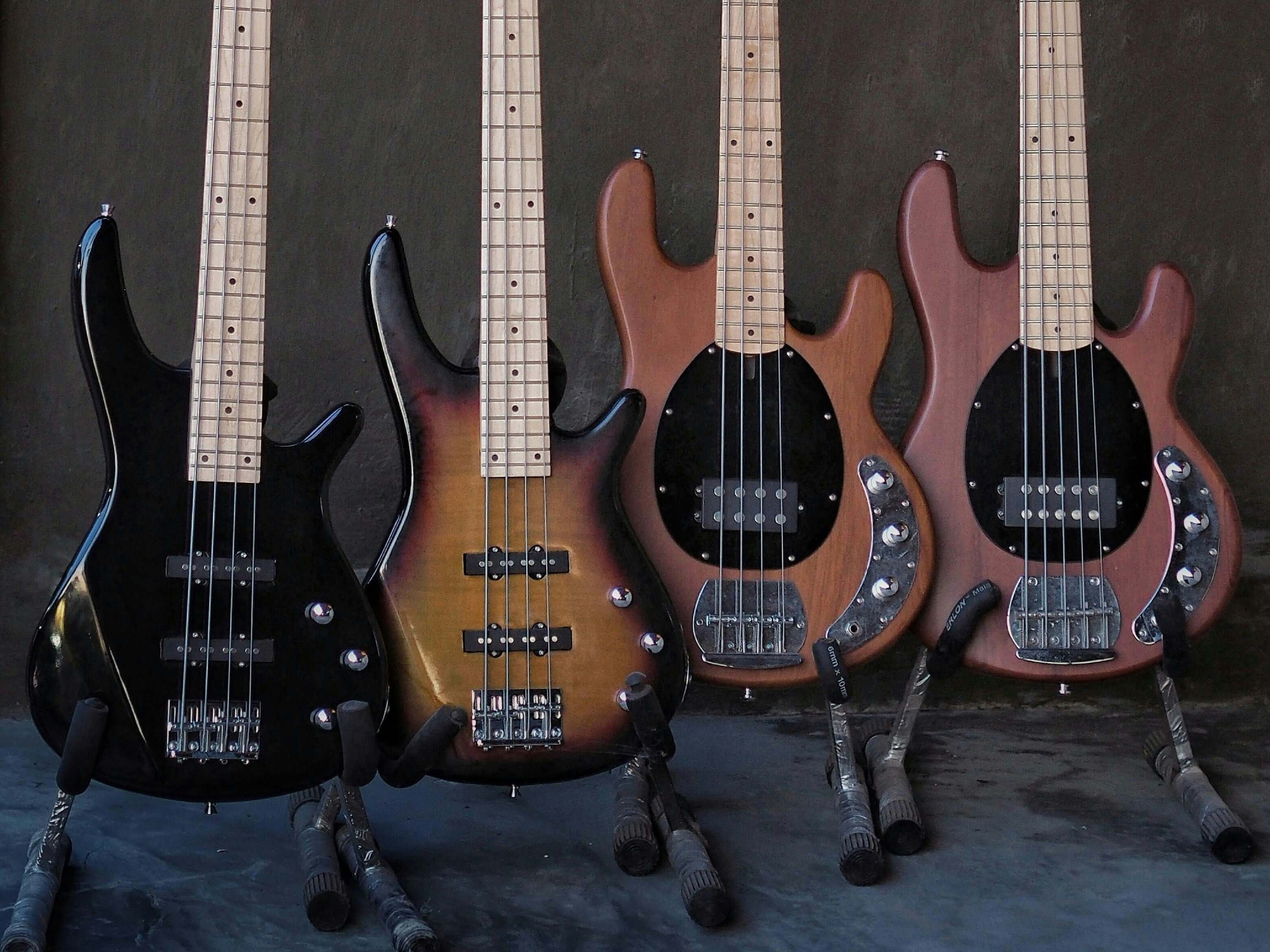
While it's easy to view a bass guitar as a fundamentally simple instrument, especially when compared to its six-string counterpart, such a perception couldn't be farther from the truth. A modern bass guitar is an intricate amalgamation of wood, metal, and electronics, each component contributing to the creation of unique sounds. Among these components, the electronics often remain unexplored, considered by some to be secondary to the instrument's physical construction. In this article, we dive deep into the world of bass guitar electronics to debunk this myth and reveal the critical role they play in shaping your tone.
Pickups: The Heart of The Sound
Passive Pickups
Passive pickups have been the cornerstone of bass guitar electronics for decades. Comprising a coil of wire wound around a magnet, passive pickups transduce the vibrations of the strings into an electrical signal. While they may lack the onboard electronics of active systems, they are cherished for their warm, organic sound and dynamic range.
Active Pickups
Active pickups, relatively more modern, have an onboard preamp that often runs on a battery. This feature enables them to boost specific frequencies, producing a cleaner, higher-output signal with less noise. The modern player may prefer active pickups for the increased versatility they offer.
Specialty Pickups
The modern market is flush with a myriad of specialized pickups, each designed to capture a specific range of tonal characteristics. From vintage-style pickups that recreate the warmth of the '60s to the ultra-modern options that deliver clarity and high-fidelity, the possibilities are endless.
Piezo Pickups
Piezo pickups offer a different flavor of sound by capturing the vibrations directly from the bridge or the body of the bass, rather than the strings. This results in a more acoustic, airy, and transparent tone, which can be desirable for certain styles of music like jazz or acoustic rock. These pickups are often combined with magnetic pickups to add another layer of tonal complexity, allowing the player to blend between an "acoustic" and "electric" sound.
Pickup Placement
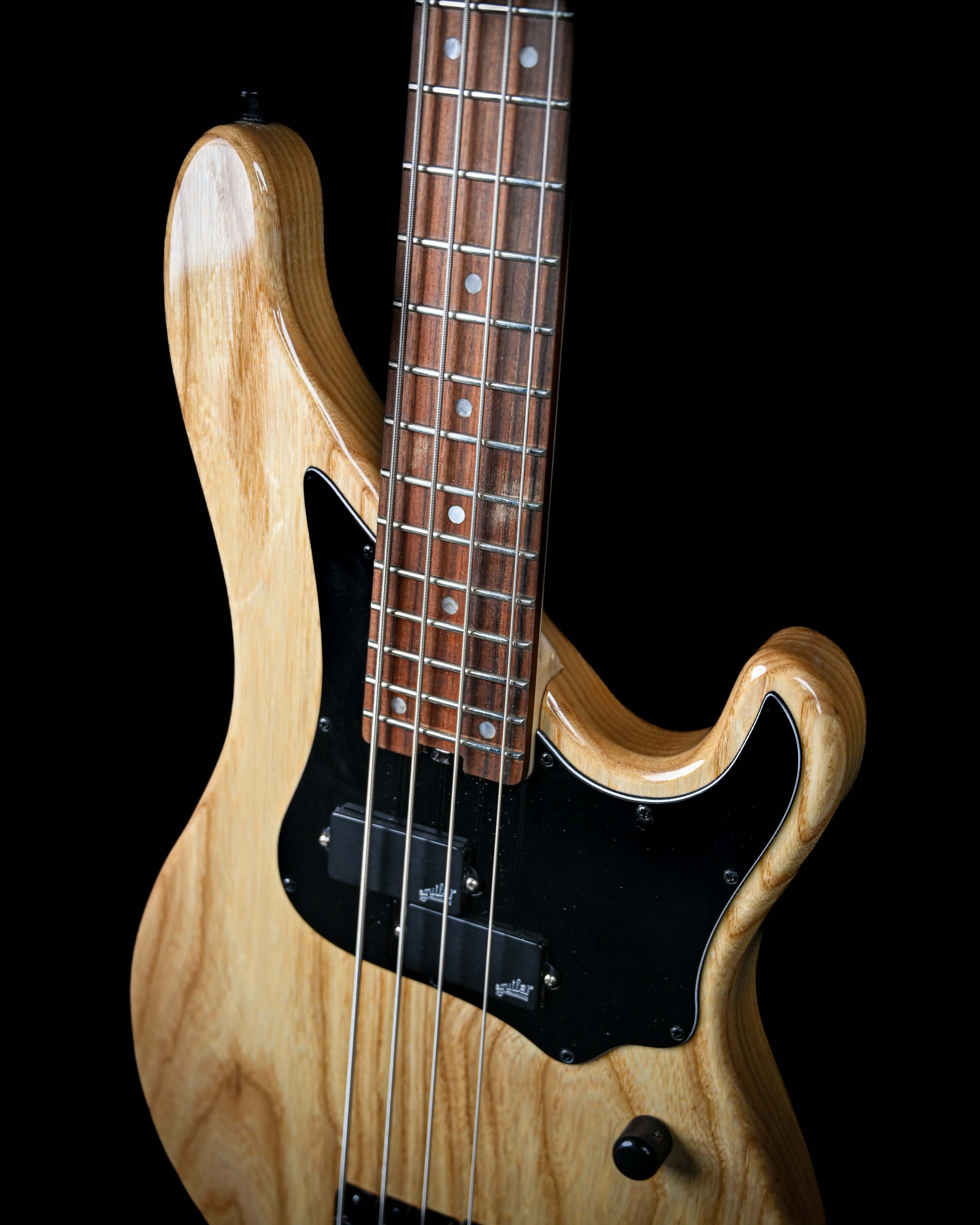
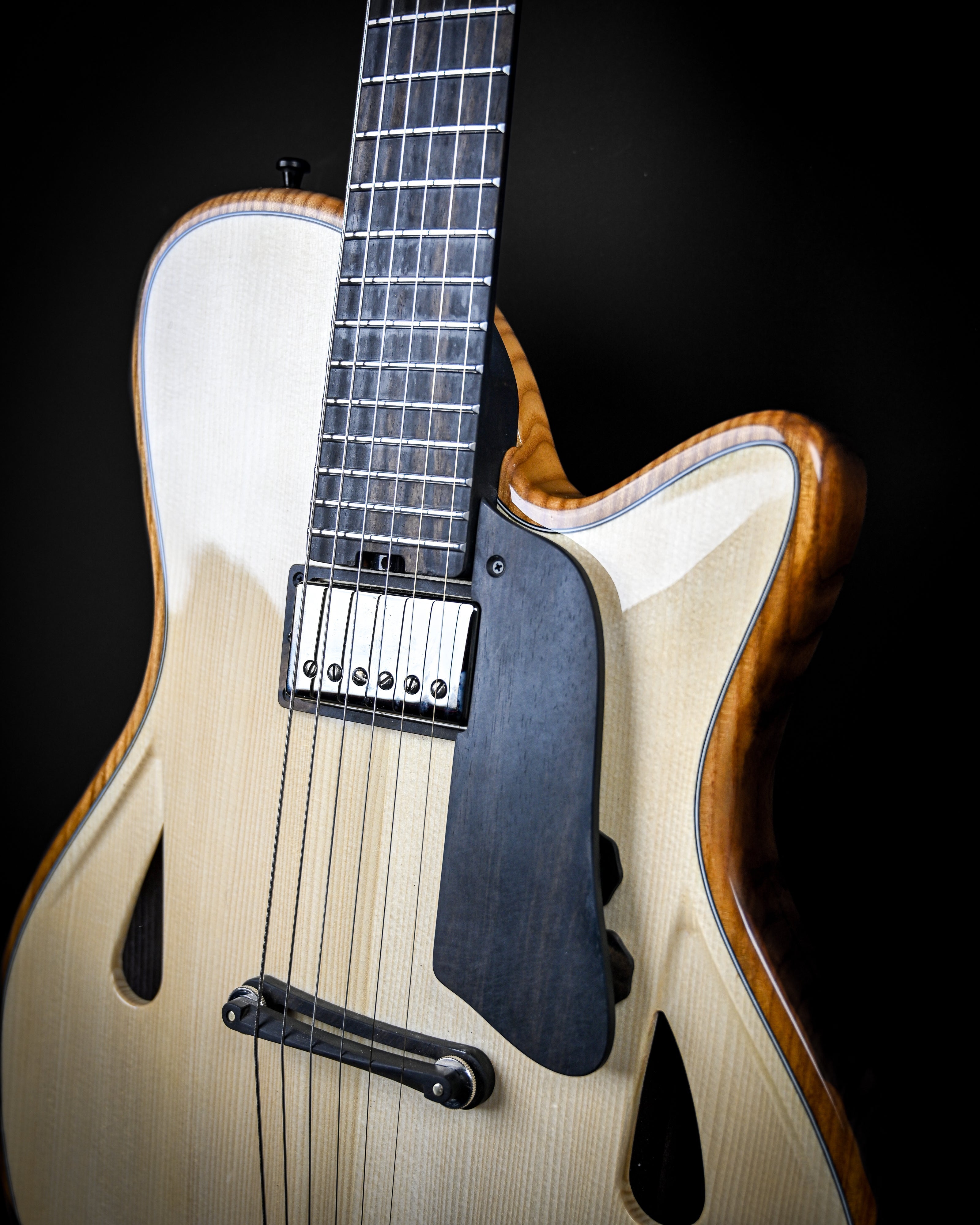
The position of your pickups on the bass guitar body greatly influences the tonal character of your instrument. Traditionally, a pickup located closer to the neck will generate a more rounded, warm, and bass-heavy tone. In contrast, a bridge-located pickup usually offers a brighter, more trebly, and articulate sound. Some basses also feature middle pickups or multiple sets to provide a wide spectrum of tonal possibilities. The option to blend these pickups' outputs either through dedicated knobs or a pickup selector switch makes for a highly versatile instrument.
Pickup Height
The height of your pickups can play a surprising role in shaping your tone. A pickup positioned too close to the strings might produce a powerful but muddy or even distorted sound due to magnetic pull affecting the strings' vibration. On the other hand, a pickup set too low may result in a thin or weak signal. The key is to find a balanced height that allows for a robust yet clear sound. Typically, the height is adjusted via screws on either side of the pickup, and it’s well worth taking the time to experiment with these settings to find your ideal tone.
Onboard Preamps
The onboard preamp is your on-the-spot tone-shaping tool. Some models come with a simple 2-band EQ, which lets you adjust bass and treble frequencies. However, more complex systems feature a 3-band EQ, adding the capability to control the midrange frequencies. The 3-band system gives you more granular control over your sound, allowing you to boost or cut specific frequency ranges for a more personalized tone.
Control Layout
The control layout on a bass guitar can range from straightforward to complex, depending on what sonic options you wish to explore.
Volume Control : Almost all basses have at least one volume knob, which controls the output level of the pickups.
Blend Knob : Instead of separate volume controls for each pickup, some basses use a blend knob to mix the signals, offering a wider range of tonal possibilities.
Active/Passive Switch : On basses equipped with both active and passive circuitry, this switch toggles between the two. Active circuitry often provides additional EQ options but requires battery power.
Coil Tap/Split Coil Switch : These are special controls you might find on basses with humbucker pickups. A coil tap switch changes the output level, and a split-coil switch transforms the humbucker into a single-coil pickup for more tonal options.
Potentiometers
Volume and tone knobs may appear as straightforward tools, but there's much more than meets the eye. The potentiometers—commonly known as pots—control how much of the signal from the pickups gets sent to the amplifier. High-quality pots can preserve your instrument’s natural tonal character, and also help you achieve a more nuanced blend of volume and tone.
Linear vs. Logarithmic Potentiometers
Potentiometers, or pots, come in two main types: linear and logarithmic. Linear pots provide a uniform change in resistance as you turn the knob, delivering what you might think of as a "straight-line" change in volume or tone. Logarithmic pots, on the other hand, are designed to mimic the human ear's non-linear response to changes in sound level. As a result, they deliver a more "natural" sweeping transition, which is especially useful for volume controls.
Resistance Values
The resistance value of a potentiometer, measured in kilo-ohms (kΩ), influences the tone of your bass. Lower-resistance pots (like 50k or 250k) often result in a warmer sound by allowing less high frequencies to pass. On the other hand, higher-resistance pots (like 500k) yield a brighter, more open tone. The choice depends on the kind of tonal palette you want to work with. It's not uncommon to find 250k pots paired with single-coil pickups and 500k pots with humbuckers.
Tone Controls and Capacitors
The tone control in a bass guitar's electronic configuration often includes a capacitor in the circuit. The value of this capacitor, often indicated in microfarads (uF), influences how much of the high frequencies are bled off when the tone knob is adjusted. A larger-value capacitor will remove more high-end, producing a darker tone, whereas a smaller-value capacitor offers a subtler effect. The interplay between the potentiometer and the capacitor essentially forms a low-pass filter, allowing you to sculpt your bass sound in nuanced ways.
Jack and Wiring
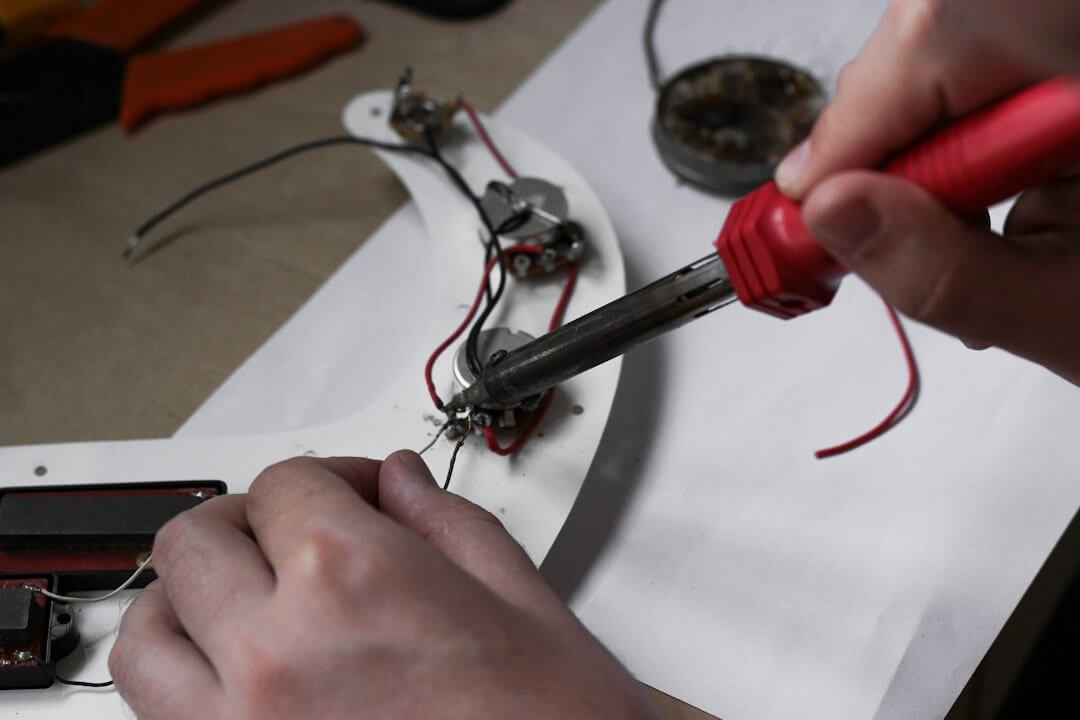
The internal wiring and output jack of your bass guitar may seem inconsequential, but any veteran will tell you that a reliable, well-soldered connection can make a world of difference. High-quality internal wiring can reduce signal loss and ensure that your tone remains consistent, while a robust jack ensures a sturdy connection to your amplifier.
Mono jacks are the most common type of output jack for bass guitars. They transmit a single audio signal over one channel. Stereo jacks, however, can handle two channels, often used for splitting different frequencies or, in some cases, different pickup sources. For example, a stereo jack might be employed to send the neck pickup's signal through one channel and the bridge pickup's signal through another. In bass guitars equipped with an onboard preamp, a stereo jack can serve a dual purpose—sending audio through one channel and battery power through the other. This is sometimes known as a TRS (Tip-Ring-Sleeve) jack.
Conclusion
The electronic components of a bass guitar serve as an invisible yet indispensable framework that brings your music to life. Understanding these elements is not a mere technicality but a critical aspect of mastering your instrument. As technology continues to evolve, so do the opportunities for bassists to experiment with and personalize their sound, making this an exciting era for all players.





Share:
Man or Machine ?
The Truth about Roasted Woods