



MAN OR MACHINGE, WHAT A TITLE FOR AN ARTICLE DEBATING THE USE OF MACHINES AND COMPUTER-ASSISTED TECHNOLOGIES !
In recent years, there has been a significant increase in the use of machines and computer-assisted technologies in the field of luthiery. While these technologies can offer a range of benefits, including increased efficiency, precision, and consistency, they have also sparked a debate about their impact on the craft and the role of human craftsmen.
In this blog post, we will explore the pros and cons of using machines and computer-assisted technologies in guitar building, and we will consider the arguments for and against their use. We will also consider the role of human craftsmen in the field, and we will examine the ways in which they can work alongside or in conjunction with machines and computer-assisted technologies. All of that, while tackling some long lasting myths that we should probably stop believing in. What a program !
Whether you are a luthier, a musician, or simply a lover of guitars, we hope that this blog post will provide an interesting and thought-provoking exploration of this modern problematic in the field of luthiery. So, let's dive in shall we ?
MACHINES & HUMANS, DEFINING THEIR ROLES
Building a guitar is a complex process. It requires skills, raw material and dedicated tools in almost each part of the process. To illustrate our discussion that focuses on a specific family of tools, the "machines," let’s agree on the definition. We’ll use a combined definition from the Oxford & Robert dictionnaries (EN,FR)
Machine: A machine is a finished mechanical product capable of using a commonly available source of energy to perform by itself, whether or not under the guidance of an operator, one or more specific tasks, by performing mechanical work on a tool, moving a load or shaping a material
Now that we have something we can all agree on, let’s see what this definition implies.
First, it puts in the same group traditional woodworking stationary machines such as drum sanders, planers etc, handheld powertools such as drills and orbital sanders, and more advanced automated tools such as CNC’s.
Second thing we can note is that by the definition itself, we understand that machines have the exact same function as humans in a workshop, which is transforming energy into an action that modifies an object. In one case the energy is calories, in the other it’s electricity.
But the outcome remains the same.
One thing that differentiates the two is the human ability to perform multi-tasking operations, taking initiatives, and being able to take decisions on which tools for which job. To sum up quickly the guitar building process, let’s divide it into categories
-
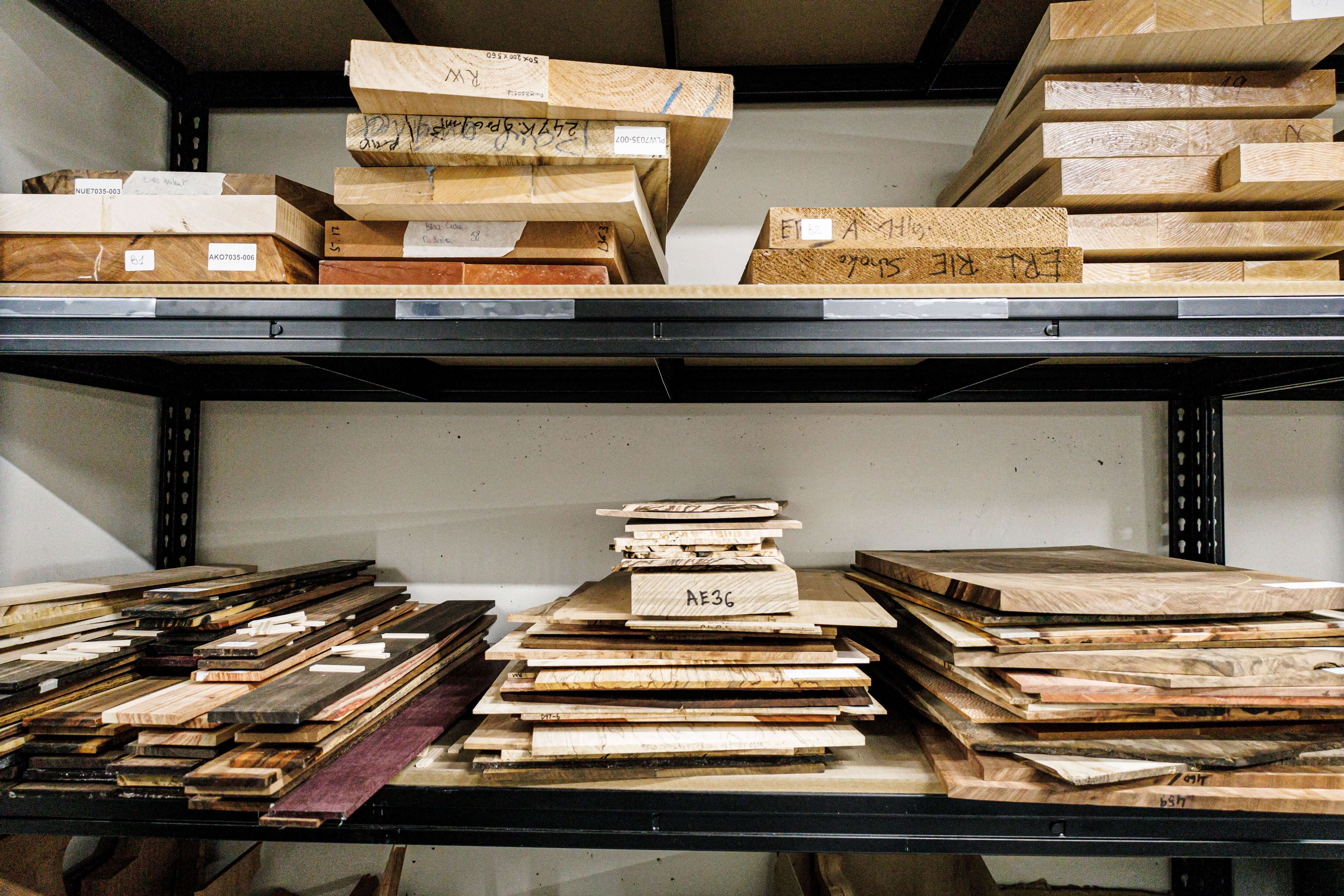
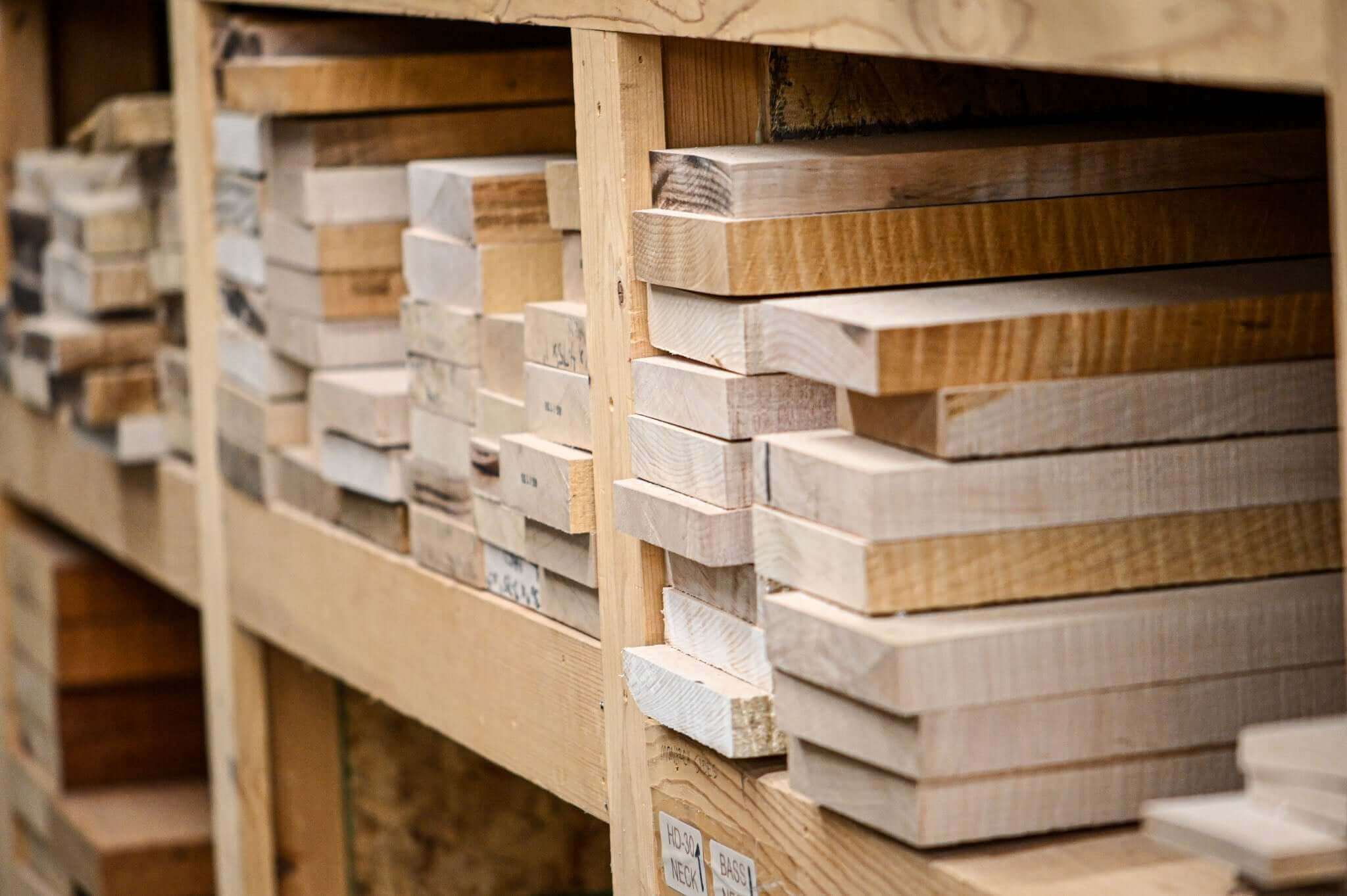
Materials sourcing and preparation : The materials that are used to build a guitar, such as tonewoods and hardware, can be expensive and difficult to obtain. In addition, these materials must be carefully selected and matched to achieve the desired sound and performance.
-
Construction: Building a guitar requires a wide range of skills, including woodworking, metalworking, and electronics. The construction process involves a number of steps, including shaping and carving the body, installing the neck and hardware, and wiring the electronics.
-
Finishing: The finishing process is a critical step in building a guitar, as it can have a major impact on the final appearance and sound of the instrument. This process involves applying and sanding multiple layers of paint or lacquer, and can be time-consuming and challenging to get right.
-
Set-up: Once the guitar is built, it must be properly set up to ensure that it plays and sounds its best. This process involves adjusting the action, intonation, and other elements of the instrument to achieve optimal performance.
Overall, building a guitar is a complex process that requires a wide range of skills and attention to detail. From selecting and working with materials to constructing and finishing the instrument, building a guitar is a challenging and rewarding task that requires a high level of expertise.
With this simplified process, we can see easily where machines can fit and where they can’t.
Well, can we really ?
If we asked a luthier 50 years ago, he would’ve bet on his two hands that no machine would ever perform a fret level, crown and polish like a human. but here we are with Plek machines, available in corner shops, not only in major manufacturing facilities.
So there is a high chance that what we currently deem impossible in the future, might happen in some way.
3D printing, CNC machining, PLEK’s, all of them started as concepts, moved to the big industrial plants, and landed in smaller shops all over the globe. We might one day see automated finishing robots and assemblers in our local luthier’s shops.
WHY MACHINES ARE ALREADY HERE
For a number of reasons, machines are already used in guitar manufacturing. First, machines have the potential to be more accurate and consistent than human labor, which can be particularly significant in operations like shaping and sanding that call for a high degree of accuracy. In bigger production settings where speed and efficiency are critical, machines can also be faster and more efficient than humans.
Additionally, operations like sanding and buffing that are physically taxing or risky for humans to undertake can be done by machines. This might lessen the possibility of accidents occurring and enhance the working environment for guitar makers.
Last but not least, machines can also be utilized to complete jobs that are just out of human reach, including routing precise, complex structures or exerting a lot of pressure for activities like gluing or clamping.

WHY MACHINES CAN’T REPLACE HUMANS
There are several reasons why machines cannot fully replace humans in guitar building. Firstly, guitar building requires a high level of creativity and artistic vision, which cannot be replaced by machines. While machines can perform tasks with precision and consistency, they are not capable of the kind of artistic expression and design that is a crucial part of the guitar building process.
Additionally, guitar building requires a high level of manual dexterity and fine motor skills, which cannot be replicated by machines. For example, tasks such as inlaying or binding require a level of touch and control that can only be achieved by human hands.
Finally, the personal connection and attention to detail that comes with a hand-made instrument is something that cannot be replaced by machines. Many guitar players value the uniqueness and craftsmanship of a hand-made instrument and are willing to pay a premium for it. This personal touch is something that machines are not capable of replicating.
While machines and computer-assisted technologies can be powerful tools for luthiers, it is unlikely that they will ever completely replace the role of human craftsmen in the field. Here are a few reasons why:
-
Creativity and artistry : Building and repairing stringed instruments is an art form that requires a high level of creativity and artistic expression. Machines and computer-assisted technologies can assist with certain tasks, but they cannot replicate the creative vision and artistic flair of a skilled human craftsman.
-
Problem-solving and judgment : Building and repairing stringed instruments often involves solving complex problems and making judgment calls based on experience and intuition. Machines and computer-assisted technologies may be able to follow pre-programmed instructions, but they cannot replicate the judgment and problem-solving skills of a human craftsman.
-
Personal touch : Many musicians and players value the personal touch and connection that comes from working with a human craftsman. Machines and computer-assisted technologies cannot replicate this level of personal interaction and connection.
-
Adaptability : Building and repairing stringed instruments often requires a high level of adaptability and flexibility, as each instrument is unique and may require different approaches and techniques. Machines and computer-assisted technologies can be programmed to handle a range of tasks, but they cannot adapt to new and unforeseen situations in the same way that a human craftsman can.
Overall, while machines and computer-assisted technologies can be powerful tools for luthiers, they are unlikely to completely replace the role of human craftsmen in the field. The creativity, problem-solving skills, personal touch, and adaptability of human craftsmen are important assets in the field of luthiery, and it is unlikely that these qualities will ever be fully replicated by machines.
WHY AND WHEN MACHINES SHOULD REPLACE HUMANS
There are several arguments in favor of the use of a CNC (computer numerical control) machine for building guitars. Here are a few of the main benefits:
-
Consistency and accuracy : One of the major advantages of using a CNC machine is that it is able to achieve a high level of consistency and accuracy in the production process. This can result in guitars that are more reliable and consistent in terms of sound and performance.
-
Efficiency : CNC machines are able to work quickly and efficiently, and they can produce large volumes of products in a short amount of time. This can be a great advantage for companies that are looking to meet high demand or tight deadlines.
-
Cost-effectiveness : CNC machines are able to produce products at a lower cost than hand-made methods, which can be a major advantage for businesses looking to reduce their production costs.
-
Customization : While CNC machines are often associated with mass production, they can also be used to produce custom products. With the right programming, CNC machines can be used to produce unique and personalized products.
-
Safety : CNC machines can be safer to use than hand-made methods, as they eliminate the need for workers to handle hazardous materials or perform repetitive tasks that may lead to injury.
Overall, there are many arguments in favor of the use of a CNC machine for building guitars. From consistency and accuracy to efficiency and cost-effectiveness, CNC machines offer a range of benefits that make them a valuable tool in the production process.

IS HANDMADE BETTER ?
Handworking refers to the process of building or repairing a guitar using traditional hand tools and techniques, rather than relying on power tools or machines. While many guitar builders today do use machines and power tools in their work, there is still a place for handworking in the field, and many luthiers continue to rely on hand tools to create and repair instruments.
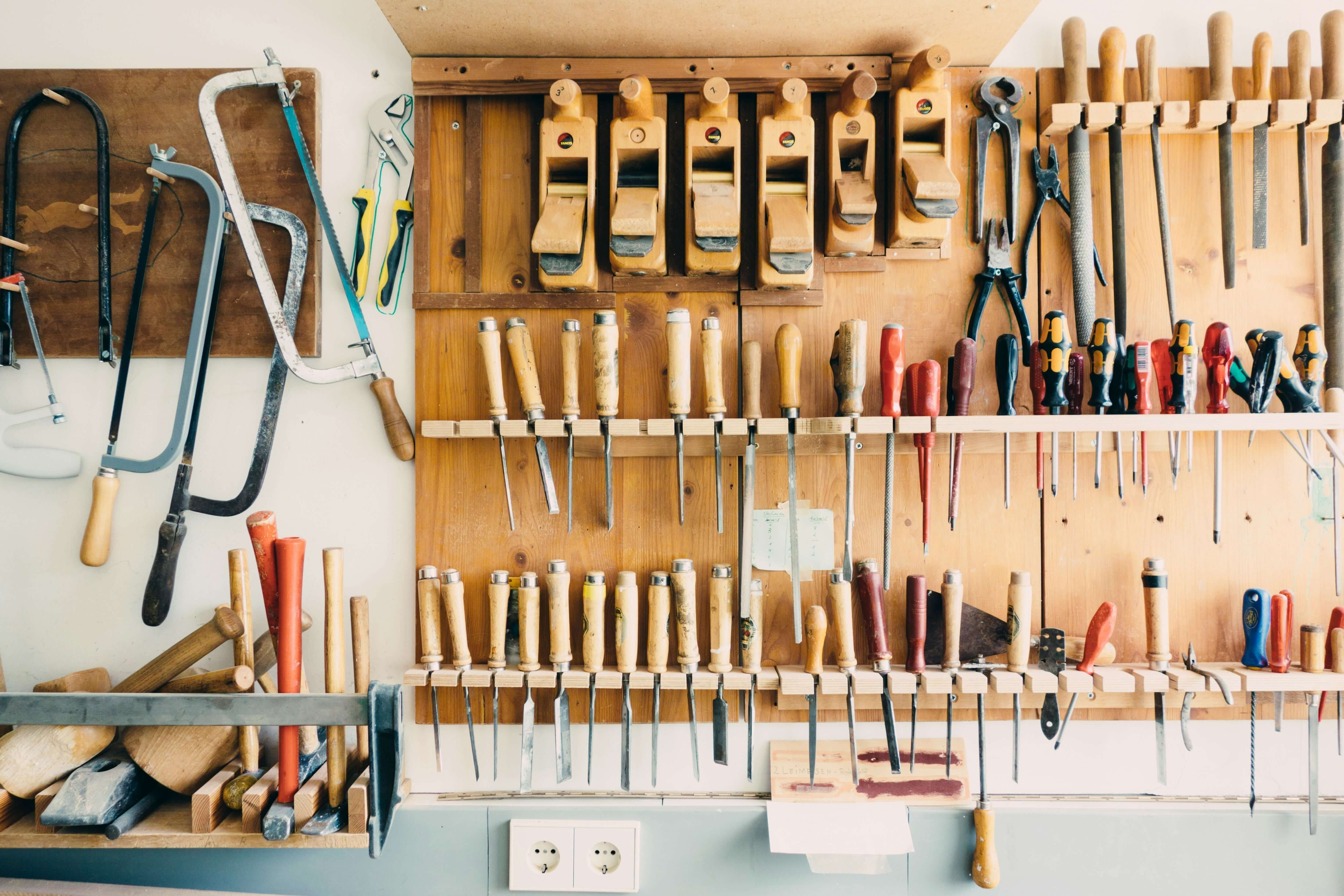
Handworking can involve a wide range of techniques and skills, such as carving, shaping, sanding, and finishing. It can also involve the use of traditional hand tools such as chisels, planes, saws, and hammers.
One of the main benefits of handworking is the level of control and precision that it allows. By working with hand tools, a luthier can make subtle and precise adjustments to the shape and form of the instrument, and can achieve a level of finesse and detail that is difficult to achieve with machines.
Another benefit of handworking is the tactile and sensory experience that it provides. Working with hand tools can be a meditative and immersive process, and it can allow the luthier to connect more deeply with the material and the instrument.
Overall, handworking is an important skill for luthiers, and it can be a rewarding and satisfying aspect of the craft. While machines and power tools can be useful tools, there is still a place for traditional hand tools and techniques in the field of luthiery.
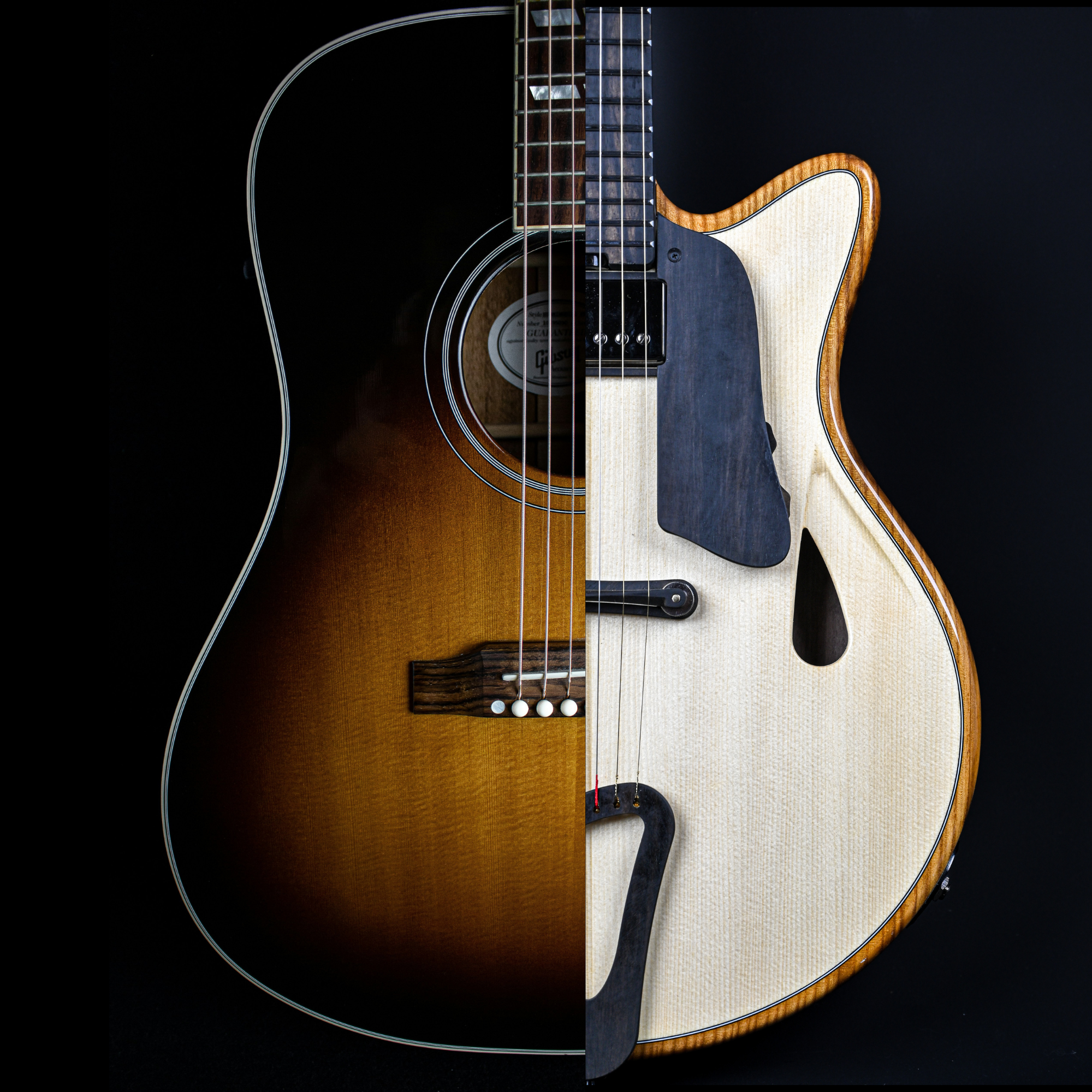
Whether or not handmade is better is subjective and depends on the individual preferences of the person evaluating the product. Some people may value the uniqueness, craftsmanship, and personal touch that comes with a handmade product and be willing to pay a premium for it. Others may prefer the precision, consistency, and efficiency that can be achieved with machines, and therefore may not see the value in a handmade product.
It's worth noting that both handmade and machine-made products have their own strengths and weaknesses, and the best choice will depend on the specific needs and preferences of the individual. For example, a handmade product may be more unique and have a higher level of craftsmanship, but it may also be more expensive and take longer to produce. A machine-made product may be more consistent and efficient, but it may lack the personal touch and individuality of a handmade product.
DOES AN ENTIRELY HANDCRAFTED GUITAR HAS MORE SOUL ?
Combining handwork, machines, and computer-assisted machines can be a powerful strategy for luthiers, as it allows them to take advantage of the strengths and capabilities of each approach. Here are a few reasons why this can be the best strategy:
-
Efficiency : By using a combination of handwork, machines, and computer-assisted machines, luthiers can take advantage of the speed and efficiency of machines, while still retaining the precision and control of hand tools. This can help to streamline the building process and increase productivity.
-
Precision : Computer-assisted machines, such as CNC routers and lasers, can offer a level of precision that is difficult to achieve with hand tools or traditional machines. By combining these technologies with handwork, luthiers can achieve a high level of accuracy and consistency in their work.
-
Creativity : While machines and computer-assisted technologies can offer a high level of precision and efficiency, they can also be somewhat limiting in terms of creative expression. By combining these technologies with handwork, luthiers can retain a degree of flexibility and creativity in their work, and they can explore more unusual and experimental designs.
-
Quality : By combining handwork, machines, and computer-assisted technologies, luthiers can achieve a high level of quality in their work. Handwork can provide a level of attention to detail and craftsmanship, while machines and computer-assisted technologies can ensure consistency and precision.
Overall, combining handwork, machines, and computer-assisted technologies can be a powerful strategy for luthiers, as it allows them to take advantage of the strengths and capabilities of each approach. By using a combination of these technologies, luthiers can achieve a high level of efficiency, precision, creativity, and quality in their work.
There is no scientific or empirical evidence to support the concept of a "magic touch" of a human compared to a machine. While some people may believe that certain individuals have a special talent or ability that sets them apart from others, there is no scientific basis for this belief.
In reality, the skills and abilities of individuals are the result of a combination of factors, including genetics, environment, education, and experience. Some people may be naturally gifted in certain areas, but this does not mean that they possess a "magic touch" or any supernatural ability.
In the field of luthiery, it is important to recognize that the skills and abilities of human craftsmen are the result of hard work, dedication, and training, rather than any magical or supernatural quality. While some luthiers may have a natural aptitude for the craft, it is ultimately their training, experience, and hard work that enable them to create and repair instruments to a high level of quality and skill.
Overall, the concept of a "magic touch" is a myth that is not supported by scientific evidence. While some people may believe in this idea, it is important to recognize that the skills and abilities of individuals are the result of a combination of natural aptitude and hard work, rather than any magical or supernatural quality.
There is no scientific or empirical evidence to support the idea that machine-made guitars have less "soul" or character than hand-made instruments. While some people may believe that hand-made instruments have a special quality or character that is lacking in machine-made instruments, this belief is not based on any scientific evidence.
In reality, the character and quality of an instrument is the result of a wide range of factors, including the materials used, the design and construction techniques, and the skills and experience of the builder. Whether an instrument is made by hand or by machine, it can still have a unique character and quality, depending on how it is made and what factors are taken into account.
It is important to recognize that both hand-made and machine-made instruments have their own strengths and limitations, and that each type of instrument can offer a unique and rewarding playing experience. While some people may prefer the character and quality of hand-made instruments, others may find that machine-made instruments offer a different set of qualities and features that are equally appealing.
Overall, the idea that machine-made guitars have less "soul" than hand-made instruments is a myth that is not supported by scientific evidence. While there may be subjective preferences for different types of instruments, it is important to recognize that both hand-made and machine-made instruments can offer a unique and rewarding playing experience.

-
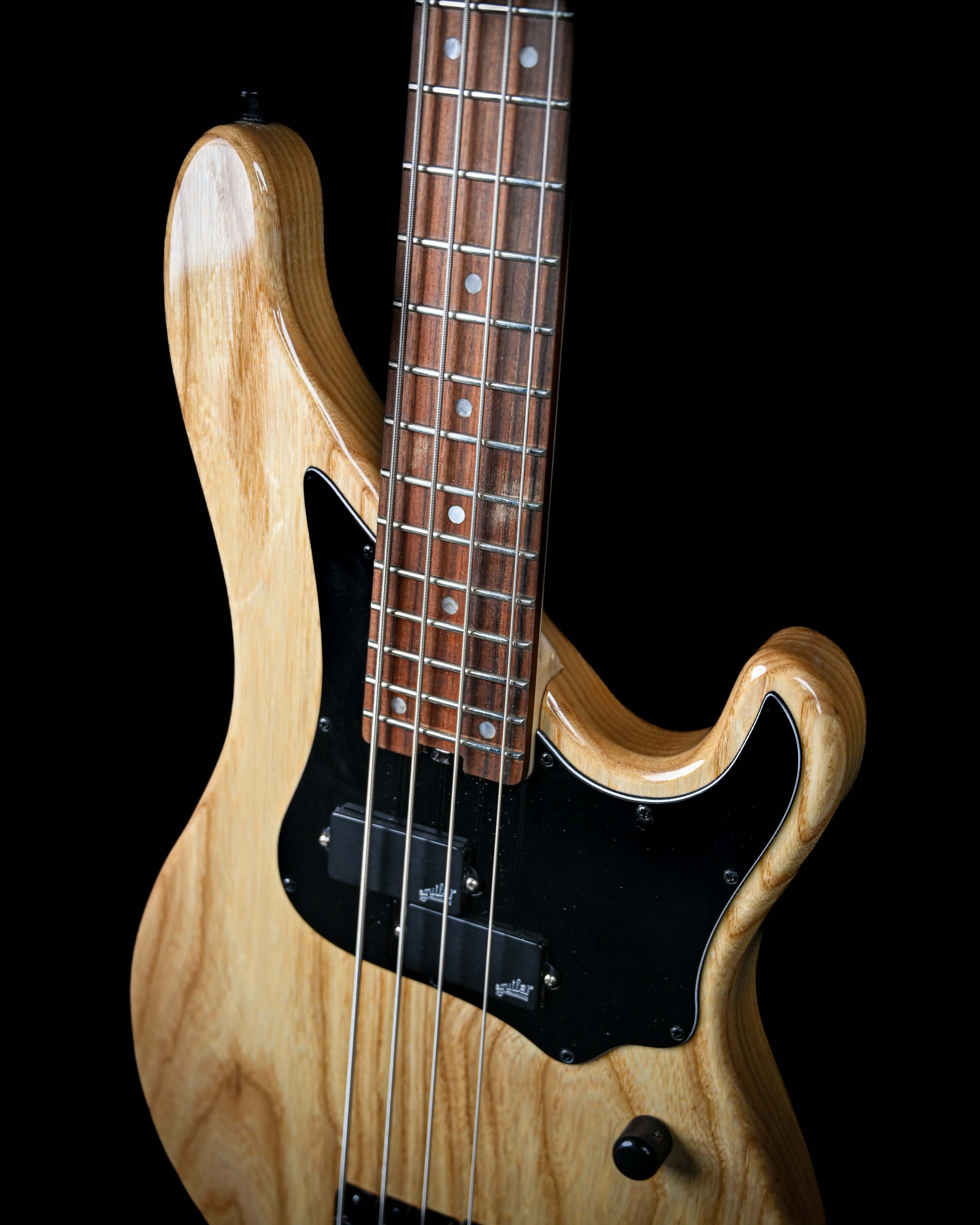
Yes, but what about the Mojo ? I had this Highway One Precision Bass from 2007, and it was better than any custom shop Fender I’ve ever played.
It is important to recognize that the concept of "mojo" is a subjective and intangible quality that cannot be measured or objectively evaluated. While some people may believe that certain instruments have a special "mojo" or aura about them, this belief is not based on any scientific evidence and should be treated with caution.
Overall, the concept of "mojo" in the context of musical instruments is a subjective and intangible quality that is not supported by scientific evidence. While some people may believe that certain instruments have a special "mojo" or aura about them, this belief is based on personal preferences and experiences rather than objective criteria.
CONCLUSION
With all these informations, I hope that as a player, novice or aspiring luthier or experienced builder, you found some content to enrich your point of view on this subject. Let’s bet clear, there isn’t one correct way to think about these complex, almost philosophical questions. And who wants his local guitar builder to be the one providing existential answers anyway !
Make your own conclusions, and keep things open to discussion and disagreement !

Share:
The Truth about Scale Length
The Role of Electronics in Bass Guitars