




As we navigate 2025, guitar makers and players alike continue to balance heritage with innovation. From the boutique workshop to the big-stage brand, the industry is experiencing a subtle yet meaningful shift. Tonewoods are getting a sustainable refresh, specs are increasingly player-centric, designs are becoming more personal, and sonic expectations are shifting towards clarity and versatility.
Let’s take a closer look at what defines the guitars of 2025.
1. 🌿 Tonewood Trends: Sustainability and Rediscovery
In the wake of ecological concerns and evolving regulations, tonewood choices are changing. While exotic woods once defined high-end builds, today's artisans are rediscovering sustainable, local alternatives that offer both beauty and tone.
-
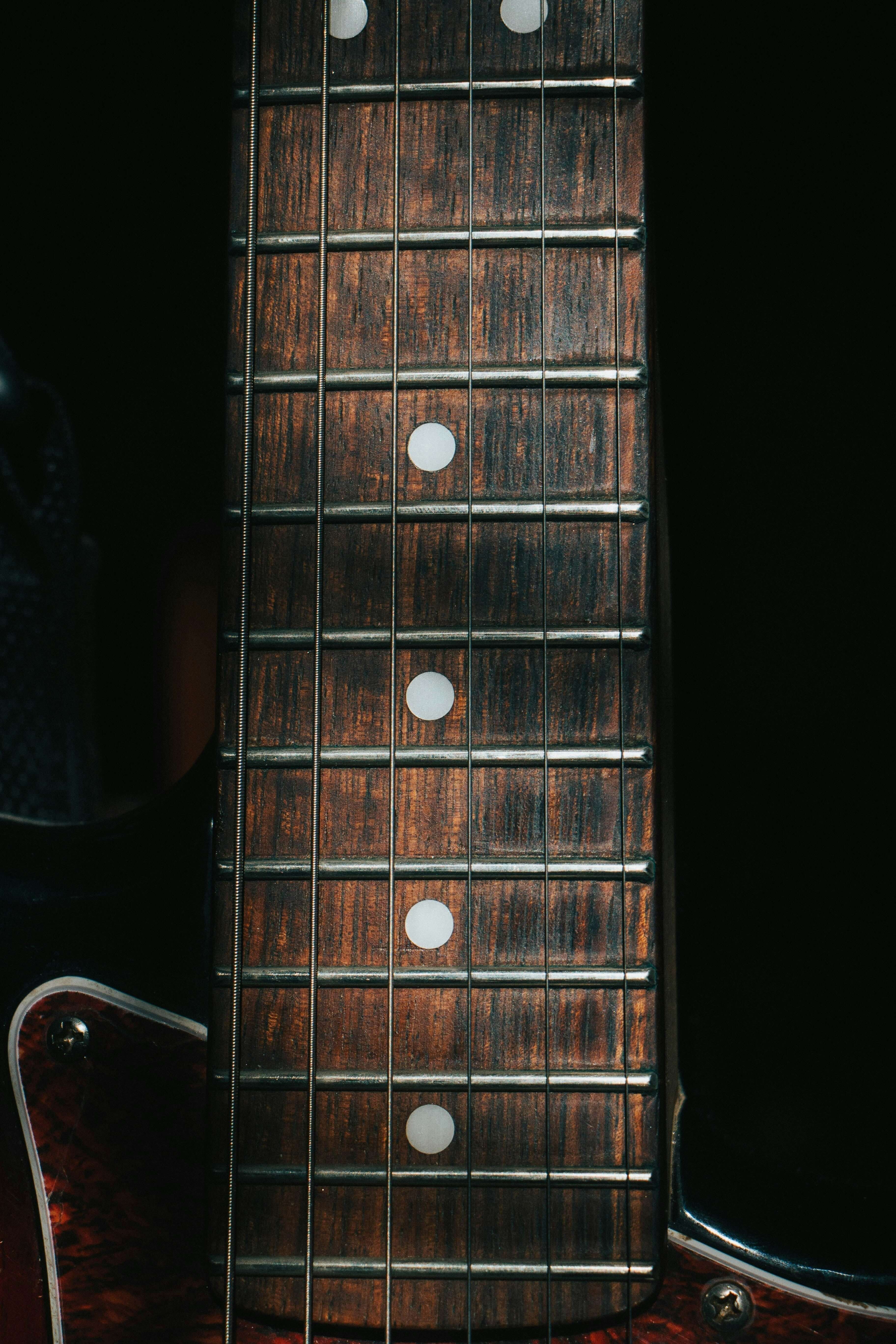
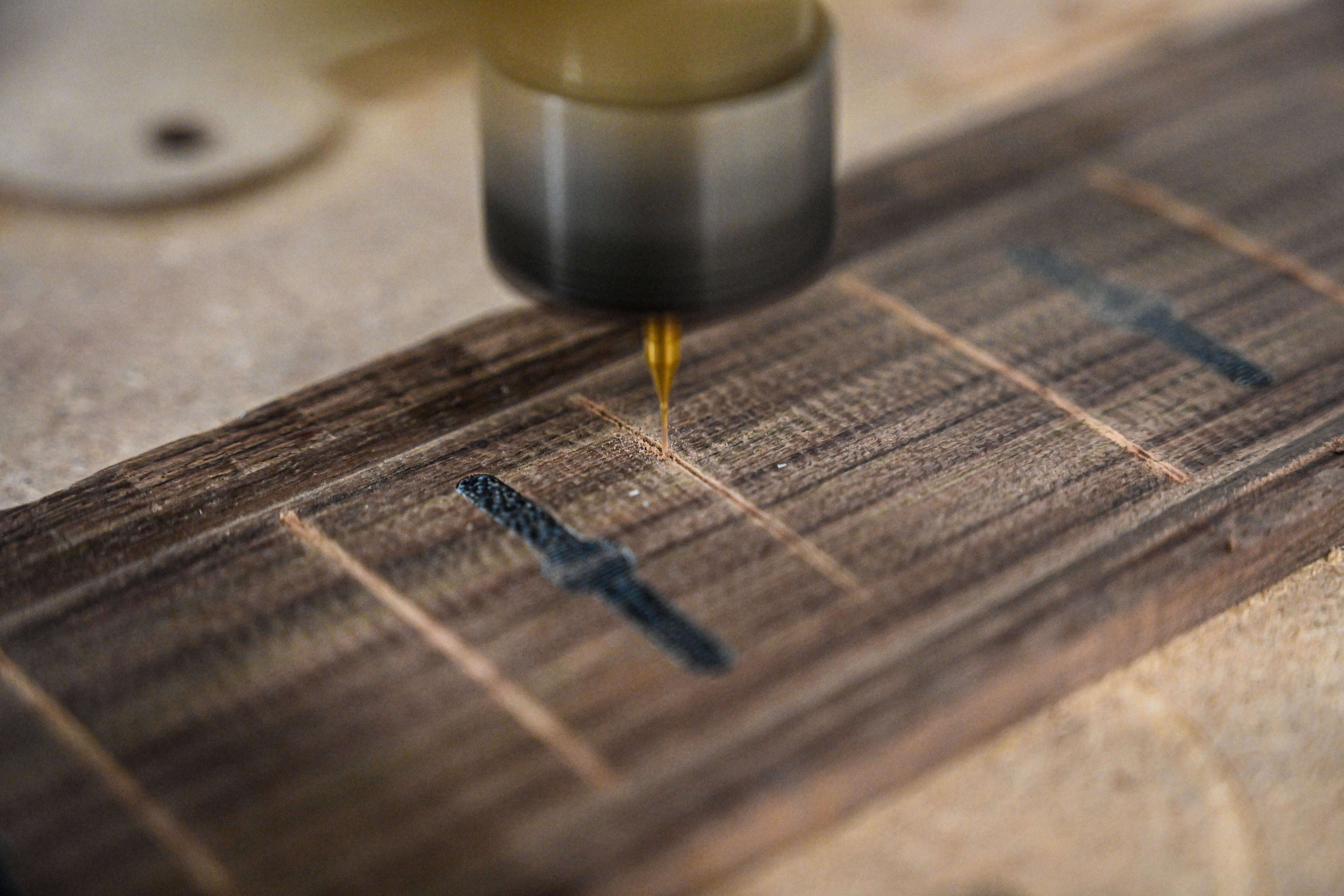
Roasted maple remains the king for necks and fretboards. Thanks to its thermal treatment, it delivers exceptional stability, resonance, and a vintage-caramel aesthetic that ages gracefully.
-
Builders increasingly use thermally treated body woods as well, enhancing resonance and controlling weight.
-
The market is turning toward regional species to reduce environmental impact: European builders explore ash, sycamore maple, and beech; American makers adopt walnut and cherry with pride.
-
Korina (Limba) is enjoying a modest resurgence. Lightweight yet tonally rich, it’s prized for its balance between warmth and clarity — a perfect alternative to mahogany.
-
Even alternative composites and eco-engineered woods are improving, especially for budget-friendly or weather-resistant guitars.
Reference: Vries, F. et al. (2023). "Sustainable Alternatives to Tropical Tonewoods in Electric Guitar Manufacturing", Journal of Sustainable Materials, 12(4).
Expect this trend to accelerate. Builders who master local and sustainable wood choices will shape the premium instruments of the future.
2. 🛠️ Specs and Playability: Comfort Takes the Lead
Guitars in 2025 are built not just for tone but for feel. Playability has never been a stronger selling point, and technical specs now revolve around ergonomics and versatility.
-
Compound radius fingerboards are becoming mainstream across price points, offering comfortable chording near the nut and sleek bends up high.
-
Slim-to-medium neck profiles are favored, avoiding the extremes of ultra-thin shred necks or chunky vintage styles.
-
Multi-scale designs (fan frets) are no longer a curiosity. Extended-range players and even traditional six-string users appreciate the improved intonation and ergonomic string tension.
-
Silent single-coils (with noiseless technology) now offer vintage sparkle without the infamous 60-cycle hum.
-
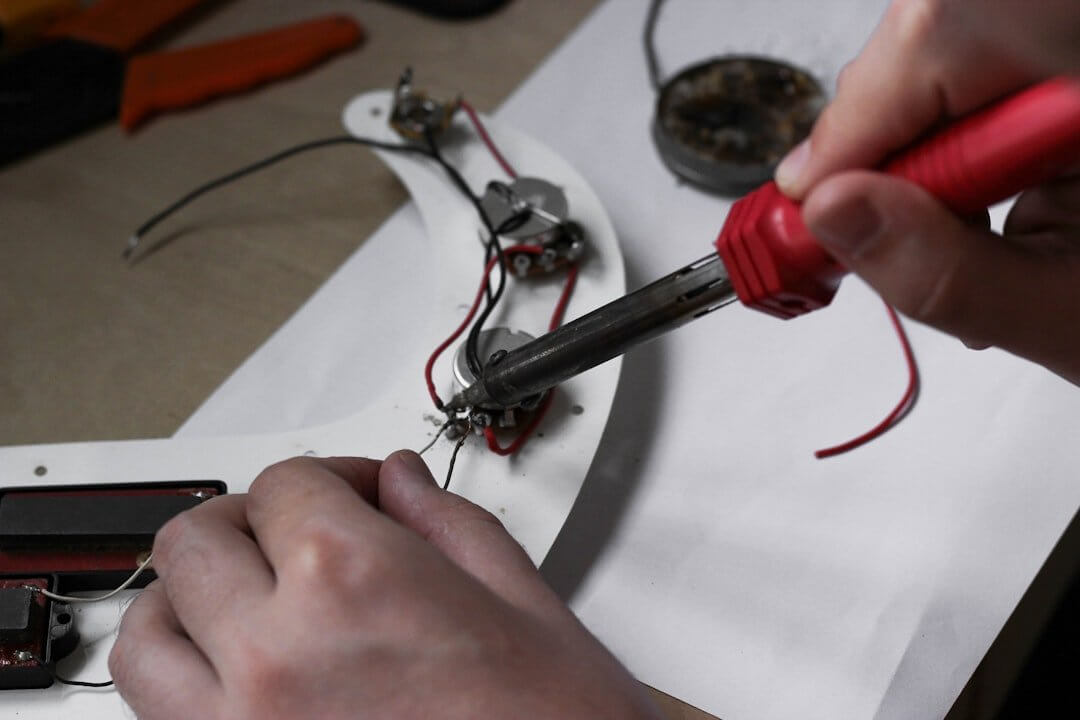
Electronics are cleaner and smarter. Builders are dropping complex onboard effects in favor of simple, efficient switching systems, often with push-pull coil splits for tonal variety.
The modern player expects an instrument to adapt to multiple genres and playing styles effortlessly — builders are delivering just that.
3. 🎨 Design: Vintage-Inspired, But Bold
Visually, guitars in 2025 combine classic silhouettes with expressive, personal touches. Builders take cues from the past but aren’t afraid to push forward.
-
Offset shapes like Jazzmasters and Firebirds continue their comeback, appealing to players wanting flair without sacrificing balance.
-
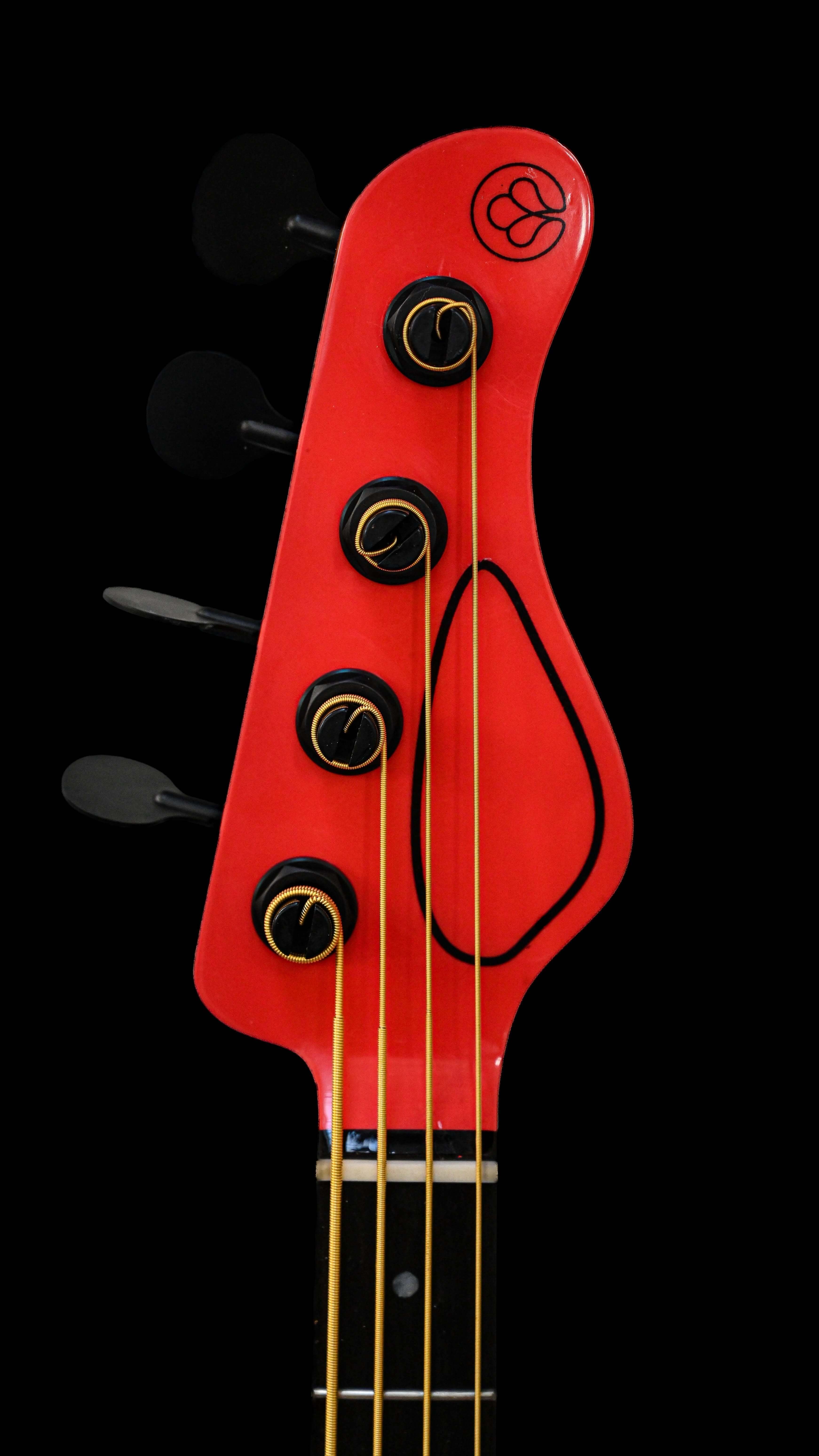
Matte finishes are highly sought-after, providing a tactile playing experience and understated elegance.
-
Metallic colors — think soft champagne, brushed platinum, and muted gold — are in vogue, offering a modern twist to vintage inspiration.
-
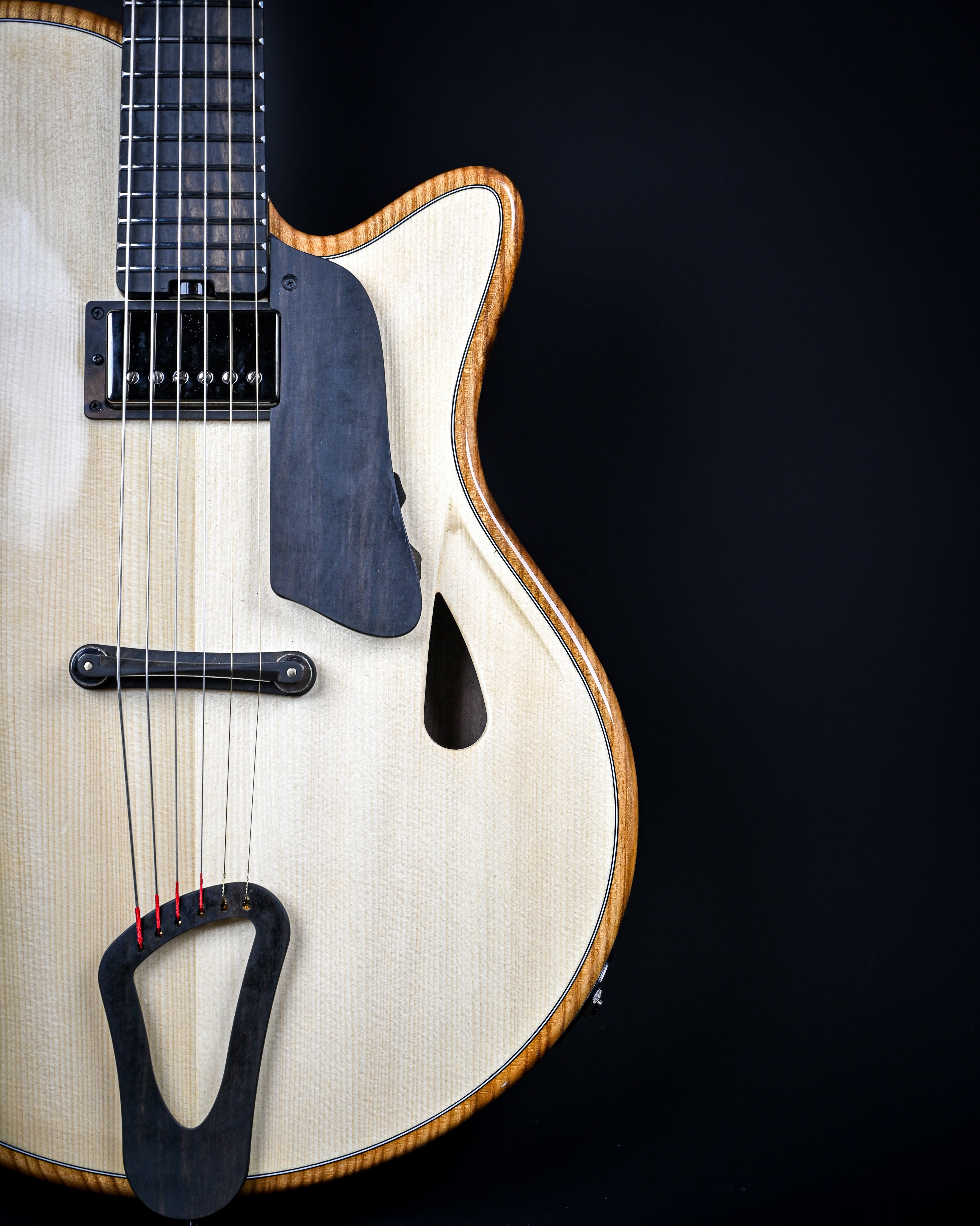
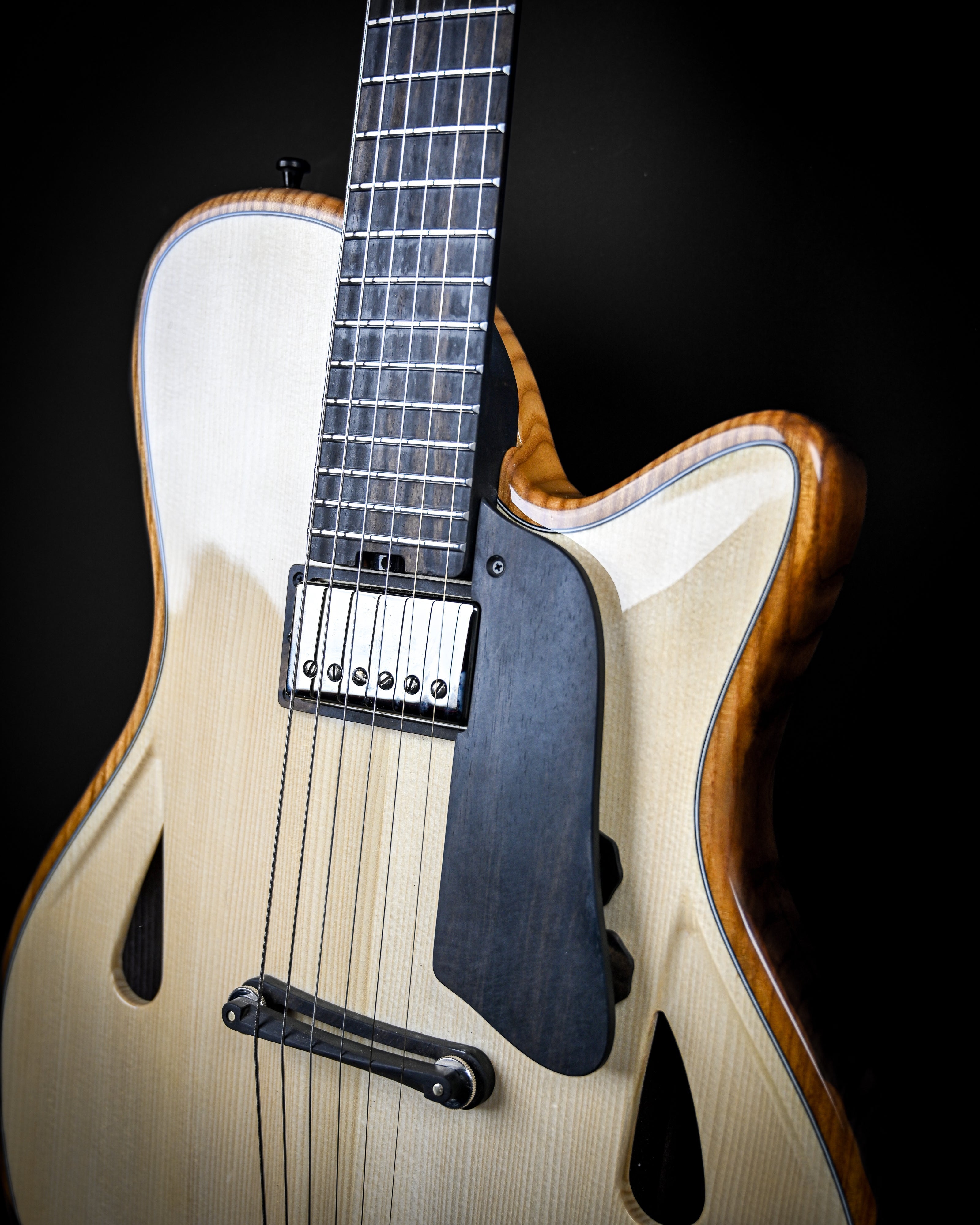
Natural woods with subtle open-pore finishes remain popular, especially paired with minimalistic hardware.
-
Hardware finishes follow the same understated trend: aged nickel, brushed steel, and muted bronze replace high-gloss chrome.
Customisation is now mainstream. Players expect choices in woods, finishes, pickguard materials, and even hardware treatments. Instruments feel more like personal statements than mass-produced tools
4. 🎵 Sound: Clarity and Dynamics Over Raw Power
Guitar tones in 2025 are defined less by brute force and more by nuance. Players are seeking instruments that respond dynamically to their touch, suiting a wider range of musical contexts.
-
Pickups are focusing on medium output, balancing warmth, clarity, and vintage character while maintaining dynamic headroom.
-
Versatile switching systems are standard, with coil-splits and series/parallel wiring configurations offering studio-grade flexibility.
-
Builders are refining natural resonance, carefully selecting lighter body woods and even semi-hollow designs to enhance acoustic character.
-
Articulate voicing is prioritised, with attention to string separation and note clarity, particularly important for modern recording environments.
Reference: Bae, J. & Thomas, L. (2024). "Electric Guitar Voicing: Material Influence and Pickup Dynamics", Acoustical Science Review, 29(2).
This is the year players embrace subtlety — a guitar that "breathes" sonically is a must-have.
5. 🌱 Ethical & Eco-Friendly Builds: No Longer Optional
Sustainability has moved from niche selling point to mainstream expectation. Guitarists — especially younger players — increasingly scrutinize environmental and ethical impacts.
-
Water-based and low-VOC finishes are becoming common, especially in European workshops where regulations and consumer demand align.
-
Reclaimed and recycled woods are no longer restricted to boutique builds. Even mid-range instruments now feature responsibly sourced materials.
-
Builders pay attention to packaging and supply chain ethics, opting for recyclable materials and transparent sourcing policies.
Far from being a gimmick, sustainability is part of what defines quality craftsmanship in 2025.
Conclusion: Balanced Evolution Defines 2025
The guitars of 2025 are instruments of balance. Builders respect their heritage while embracing modern playability, responsible materials, and tonal flexibility. Customisation and player comfort are no longer optional; they are the heart of what makes a great guitar today.
As we look to the future, it’s clear: craftsmanship is evolving, but the soul of the guitar remains timeless.




Share:
Gloss, Matte, or Satin? What Your Guitar's Finish Actually Does — and Why It Matters More Than You Think
Custom Guitar 101: Everything You Can Customize