



The B-Log
Infos, Hot Takes and Science
We write about instruments the same way we build and repair them: evidence first, dogma never. Some pieces settle arguments. Some explain how things actually work. Some are just the stuff worth knowing. Four series, one rule — nothing here we can't source.

- 0 commentson IRYW : Guitars don't age like wine
- by Marin Nourry
IRYW : Guitars don't age like wine
IRYW Volume X. The return of Truth.
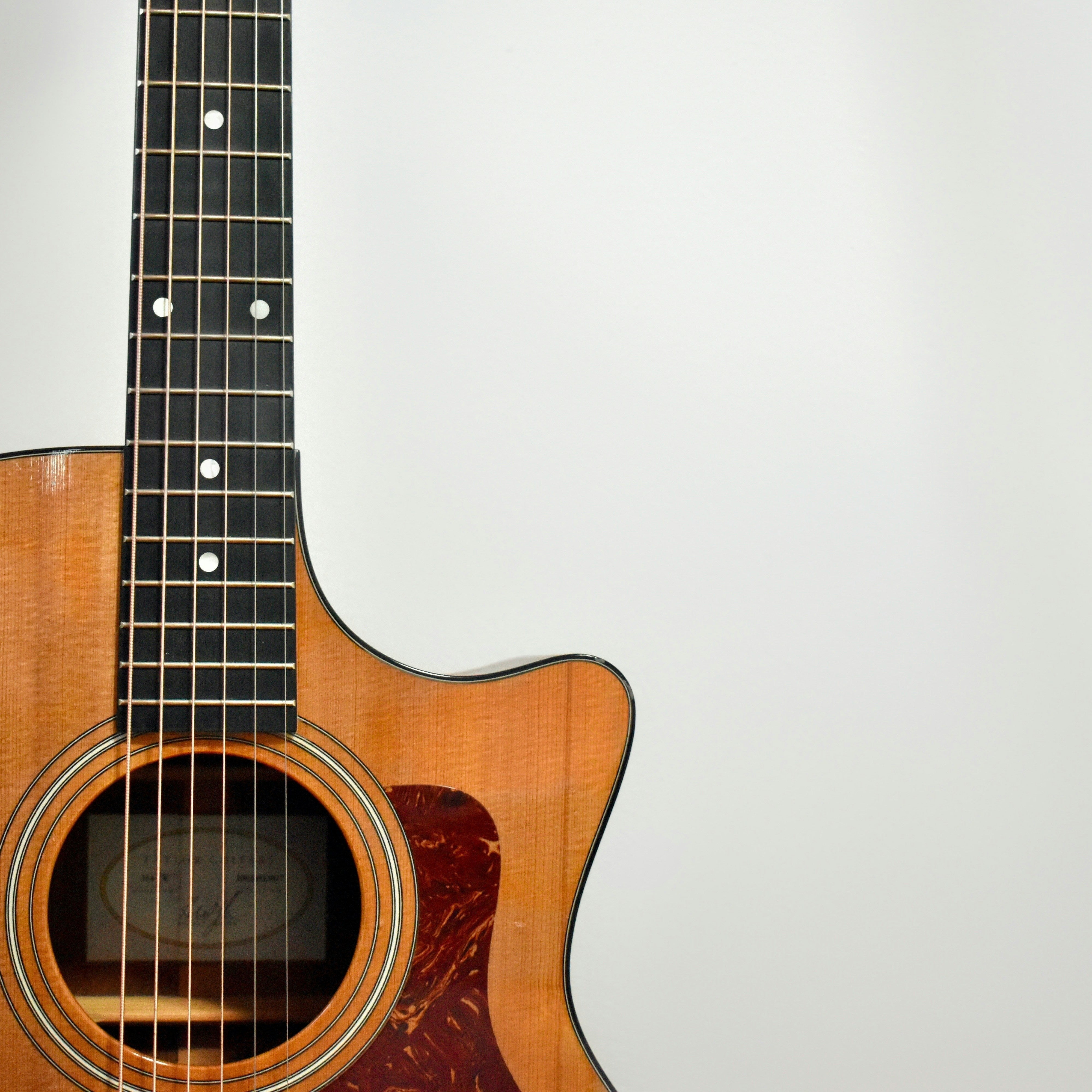
Your guitar hasn’t opened up. A 2026 Sorbonne study played a violin daily for six months under a laser vibrometer, beside two unplayed controls, and found nothing — not in the instrument, not in the player’s hands. Volume X takes on playing-in, vibration boxes and aging like wine, concedes what’s real about old wood, and shows which direction a guitar actually ages.
- 0 commentson IRYW : Acoustics are Easier to Build than Electrics
- by Marin Nourry
IRYW : Acoustics are Easier to Build than Electrics
IRYW Volume IX : Acoustics are Easier to Build than Electrics
I know, I know... How can someone write this in their right mind ? Well, I did.
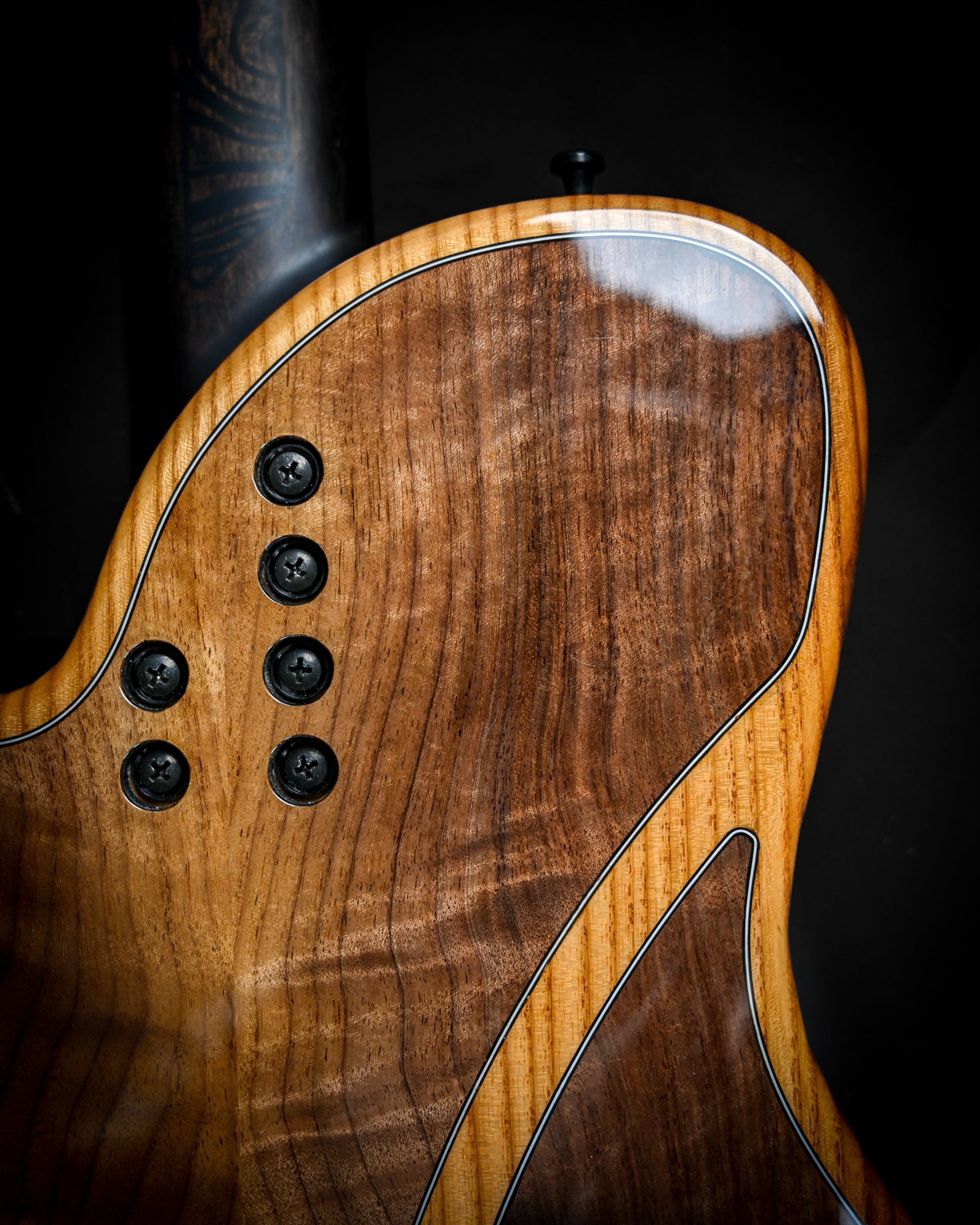
The trade believes acoustics are the real test of a luthier and electrics the warm-up. Volume IX lays the two build timelines side by side and argues the opposite. Acoustics have more steps, but each step is, one by one, simpler. The ladder of luthier nobility — quartet, classical, acoustic, electric — isn't a measurement. It's a manners chart.
Read moreabout IRYW : Acoustics are Easier to Build than Electrics
- 0 commentson IRYW : Why Bolt On Necks Are Superior
- by Marin Nourry
IRYW : Why Bolt On Necks Are Superior
I'm Right, You're Wrong - Volume VIII - Death Threats Edition
The neck joint debate has always been argued on tone. It should have been argued on failure. In Vol. VIII of I'm Right, You're Wrong, we look at the only controlled measurement of joint type and sustain, the impedance physics that explains why a clamped joint can outperform a glued one, and the durability case that closes the question — every neck is a wear part, and only one joint treats that as a design input.
- 1 commenton IRYW : Electric Guitars Are Acoustic Instruments
- by Marin Nourry
IRYW : Electric Guitars Are Acoustic Instruments
I'm Right, You're Wrong - Volume VII
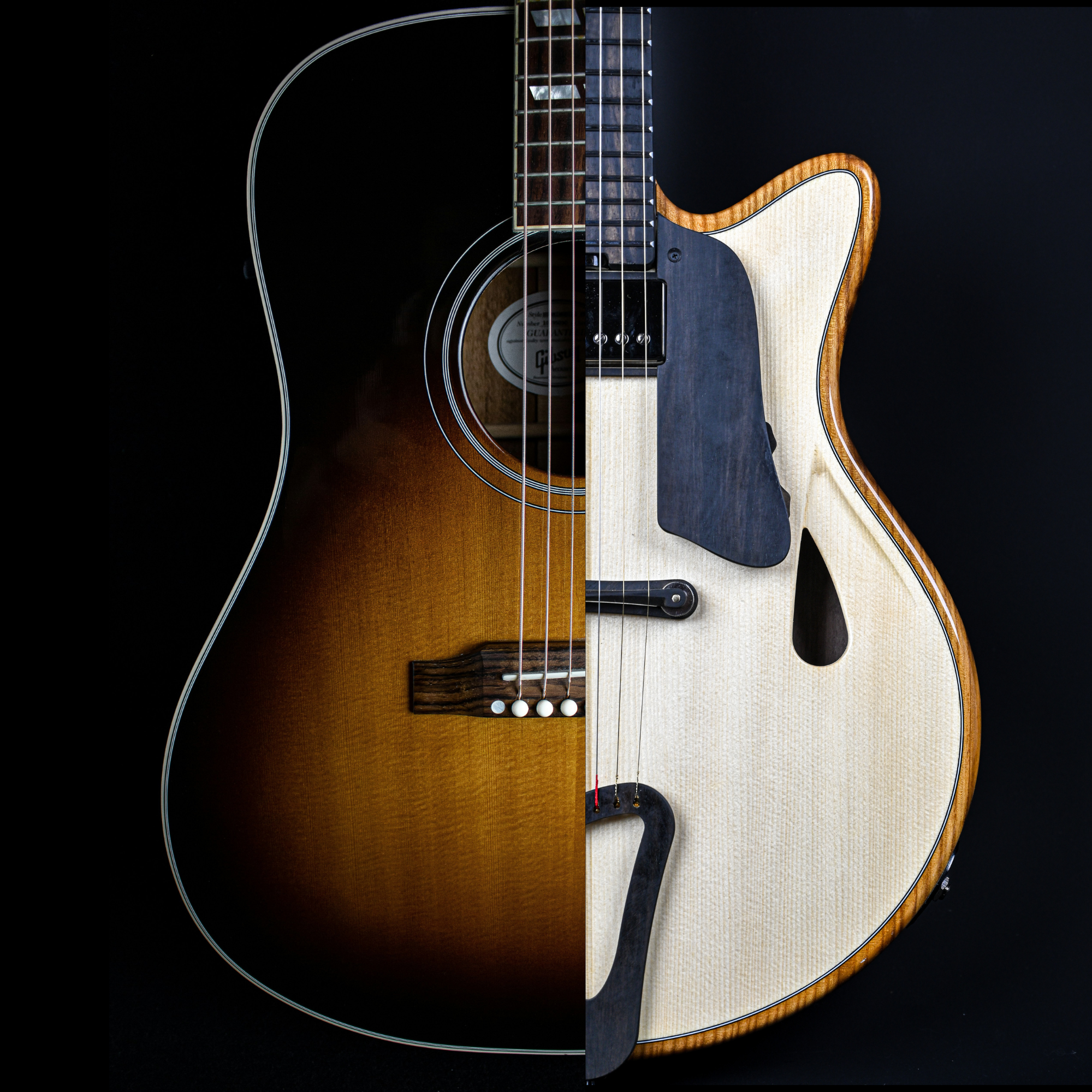
The electric guitar is not the exception to acoustic physics. The string vibrates, the wood responds, the pickup faithfully reports — Faraday's law makes no allowance for marketing categories. Volume VII on string-body coupling, modal frequencies, and the physics the industry decided to ignore.
Read moreabout IRYW : Electric Guitars Are Acoustic Instruments
- 1 commenton IRYW : Guitars Should Be Expensive
- by Marin Nourry
IRYW : Guitars Should Be Expensive
I'm Right, You're Wrong : Episode 6
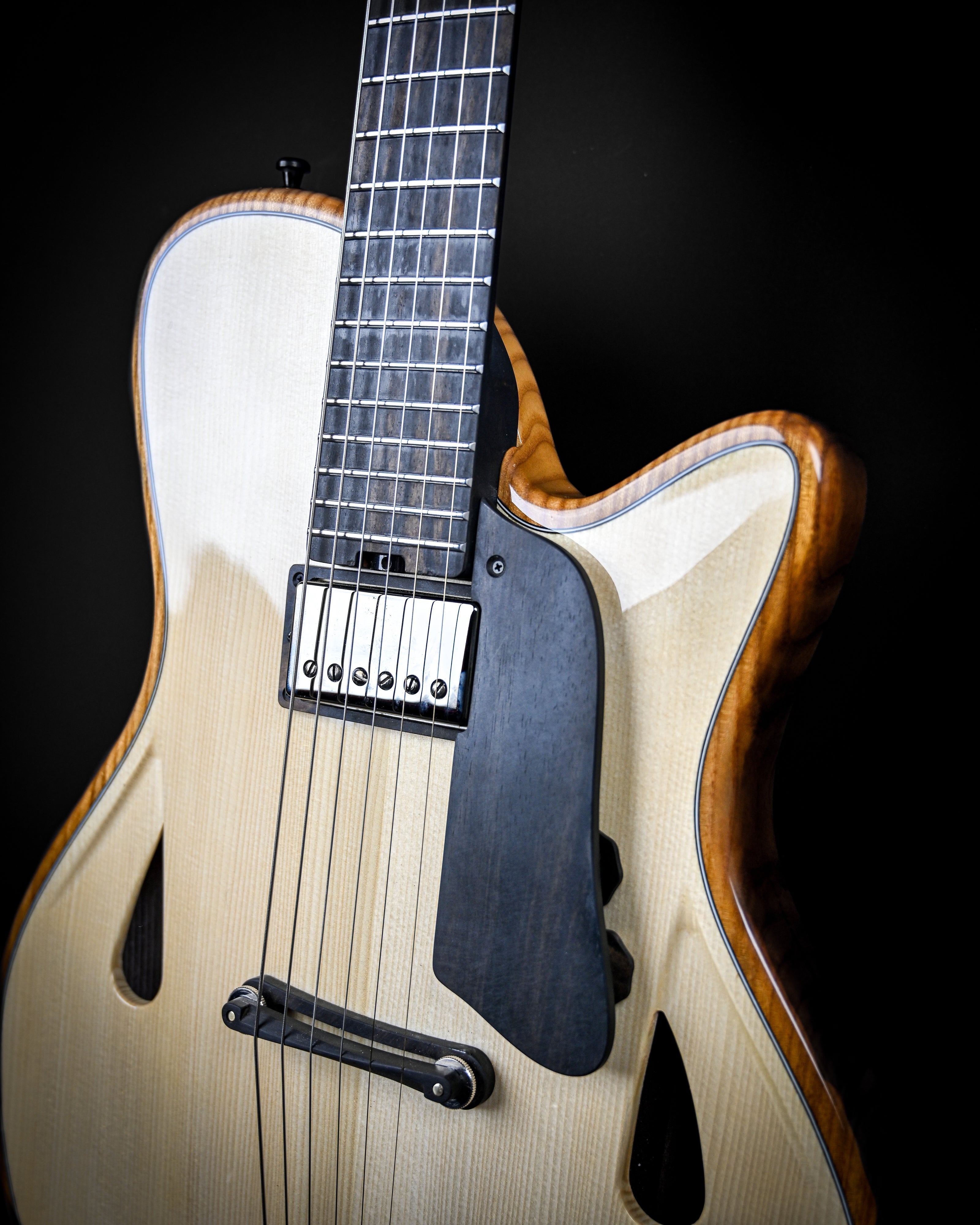
A working contemporary violin costs €15,000 to €40,000 and nobody blinks. A hand-built oboe starts at twelve and has a two-year waiting list. A hand-built electric guitar lands at five thousand euros, and the conversation immediately becomes whether this is reasonable. This essay is about why it is reasonable — why the violin trade kept an honest relationship between price and labour while the guitar trade lost it around 1965, and, to earn the series title, why some classical instruments are genuinely overpriced for the opposite reason.

- 0 commentson IRYW : Beautiful Guitars Sound Better
- by Marin Nourry
IRYW : Beautiful Guitars Sound Better
I’m Right, You’re Wrong N°5 - Still Right.
This article explores the fascinating relationship between the beauty of musical instruments and their perceived sound quality. By combining insights from neuroscience, psychology, and blind listening tests, we uncover how aesthetic appeal influences musicians' confidence, performance, and audience perception. Through case studies and research findings, we challenge the traditional notion that only acoustic properties matter, showing that beauty plays a significant role in musical expression.

- 0 commentson IRYW - Tone : you think you do, but you don’t
- by Marin Nourry
IRYW - Tone : you think you do, but you don’t
I’m Right, You’re Wrong n°4 - TRIGGER WARNING
A deep dive into the science of guitar tone that challenges common myths and misconceptions. This comprehensive article examines scientific research on wood properties, human perception, and blind testing to reveal why many of our beliefs about tone are based more on marketing and cognitive bias than actual physics. From detailed analysis of wood moisture content to critical examination of blind testing methodologies, it provides both scientific evidence and practical insights for guitarists and instrument makers.
Read moreabout IRYW - Tone : you think you do, but you don’t
IRYW : You don’t need to be a great musician to be a great luthier
I’m Right, You’re Wrong N°3 - or how I justify my poor bass skills
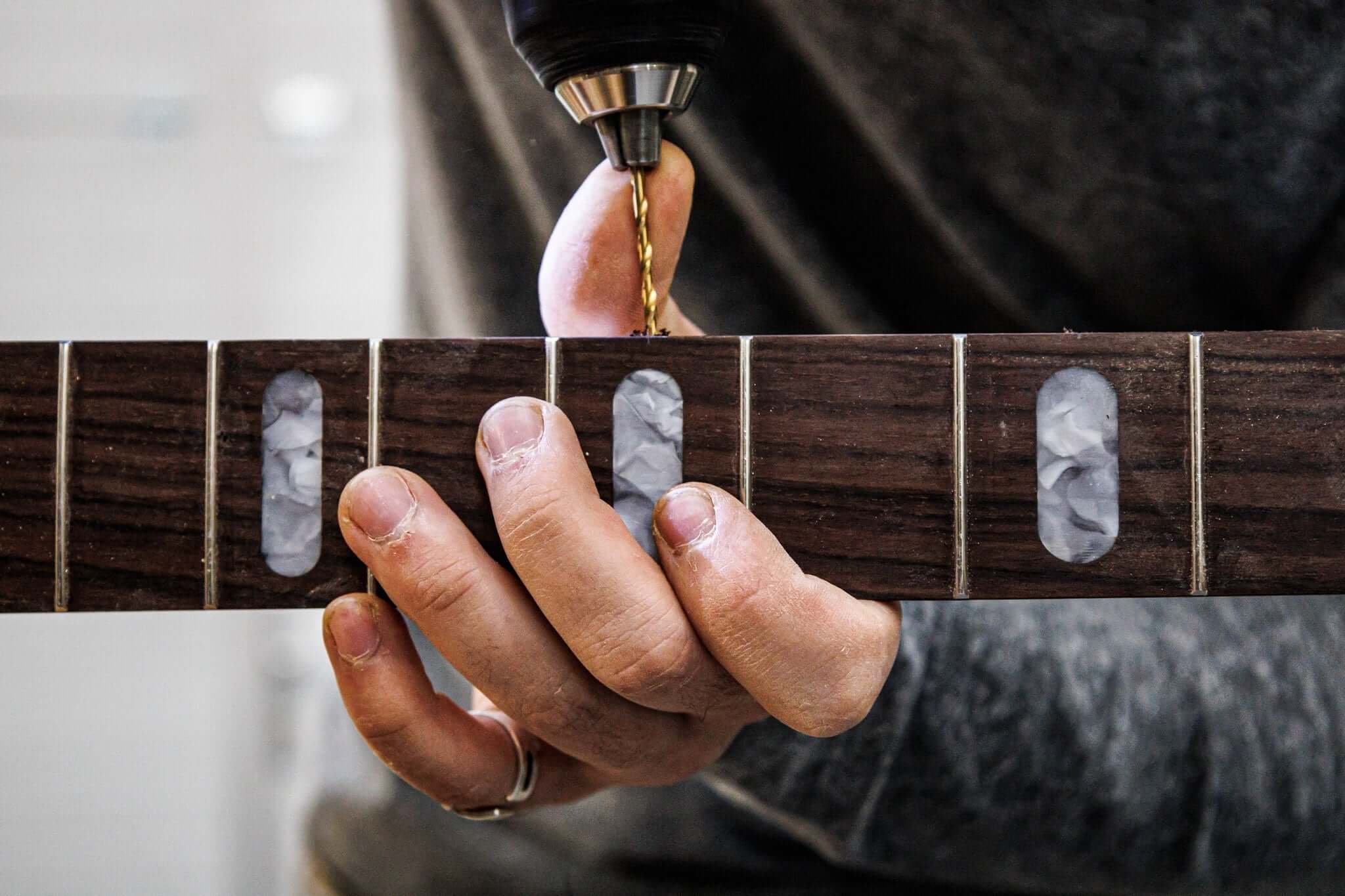
The compliment every builder hears — "you must be a great player" — rests on a myth. Leo Fender couldn't play a note and designed the Telecaster. Lloyd Loar and Robert Benedetto played brilliantly. The instruments don't sort by the maker's chops. They sort by listening, measurement, and engineering. Playing a guitar and building one are different jobs.
Read moreabout IRYW : You don’t need to be a great musician to be a great luthier
- 0 commentson IRYW : Vintage guitars are overpriced hype
- by Marin Nourry
IRYW : Vintage guitars are overpriced hype
I'm Right You're Wrong - The return
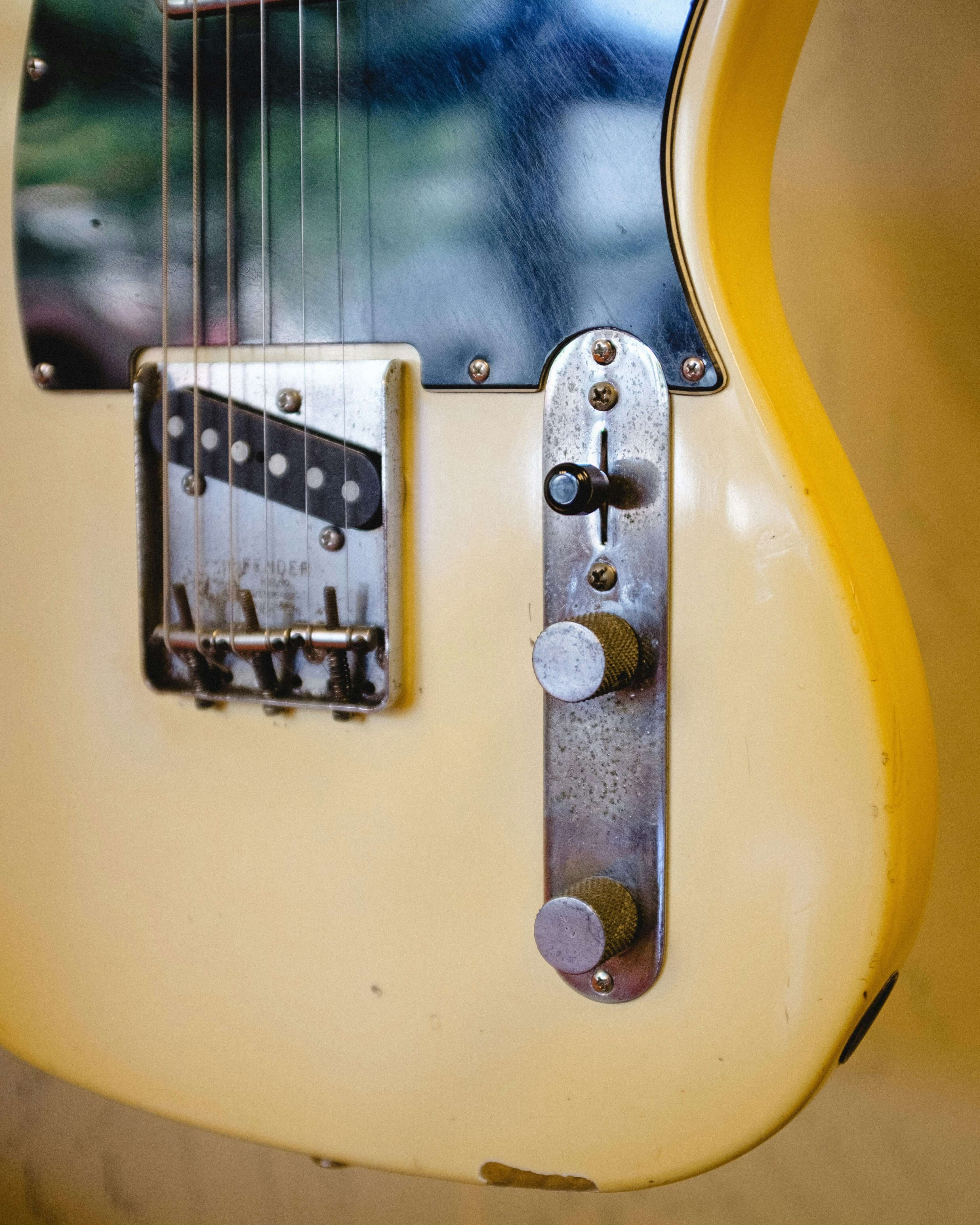
In this new episode of the most argumented and objective blog series ever made, we will talk about vintage guitars and basses, and how Big Guitar lead you to believe that they are worth your money. From survivor bias, to deep rooted clichés, discover why a large portion of the public and players still praise decade years old instruments that are often out performed by their younger opponents.
IRYW : Why Stainless Steel Frets are a Waste of Money
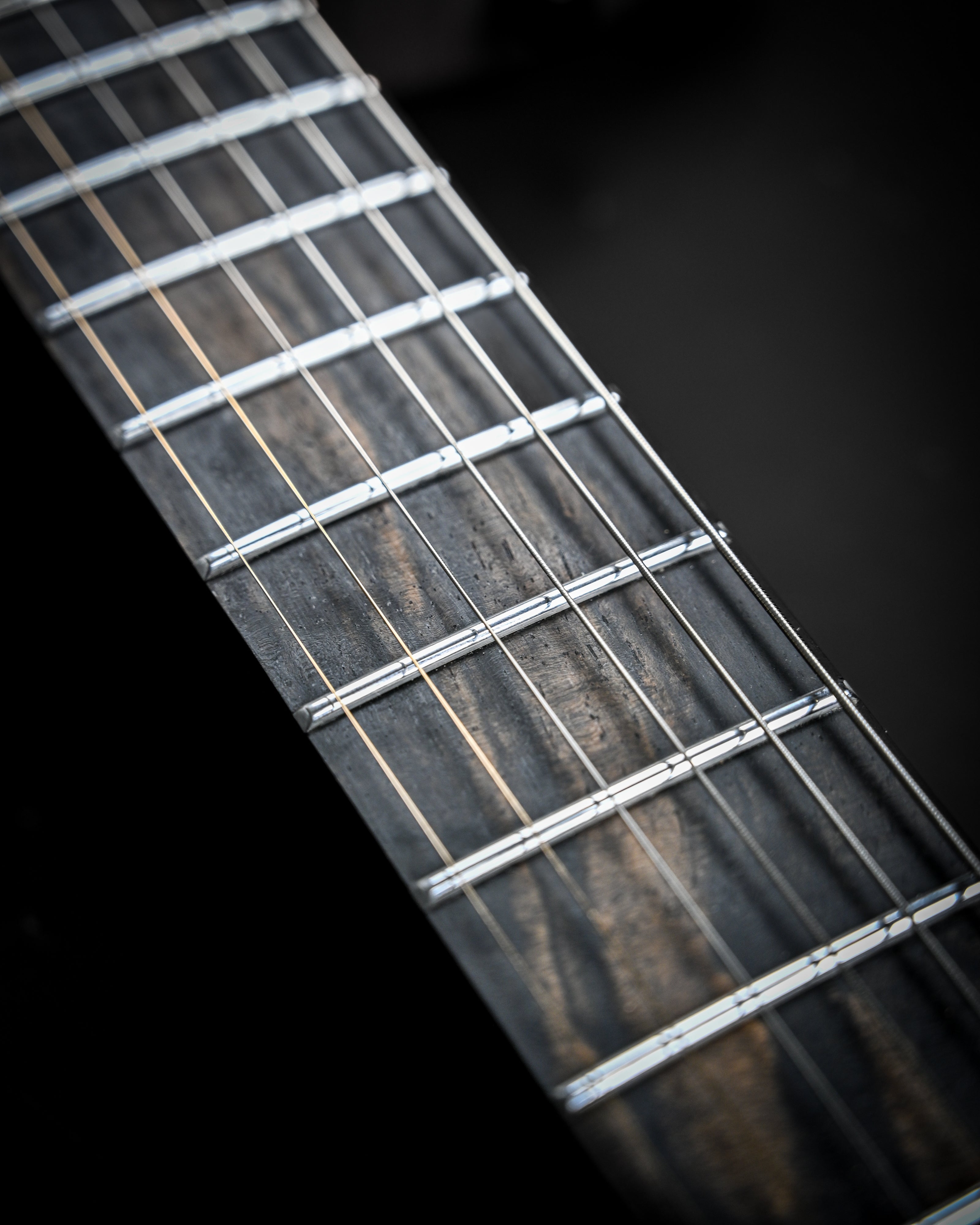
In this first article of our new series : I’m Right, You’re Wrong, we delve into the comprehensive discussion about stainless steel frets. We examine the touted benefits of durability and longevity against the increased costs and maintenance requirements. Uncover insights into how these frets affect playability, tone, and the overall health of your guitar. Whether you're a touring professional or a casual player, find out if stainless steel frets are truly a worthy investment for enhancing your guitar's performance over time.
Read moreabout IRYW : Why Stainless Steel Frets are a Waste of Money
The World of Lutherie
A tour of the trade, one place at a time. Not an argument, not an audit — a long walk through where guitars and basses actually come from, and the people who built them there.
We start with the groundwork — what a luthier is, how the guitar went around the world, what makes a school — then go continent by continent and country by country, Europe first. For each place: the history that still matters, the makers working there now, the music that pulled the instruments into existence, the wood, the money and the trade that keeps it all running. Every episode closes From the bench, with what a working luthier takes from it.
It’s written for two readers at once. If you’re new, you won’t need a dictionary open; if you’ve been building for thirty years, nobody’s going to explain a truss rod to you. Each episode ends with a reference block — dates, makers, schools, further reading — so the facts are there to check and the essay is free to have opinions.
Generous to the makers it names, specific where it can be, and long enough to be worth the coffee. Start at Vol. 1 and take the long way round — or pick a country and drop in.
I'm Right, You're Wrong
The title is the joke, and the joke is the method.
Every essay plants a flag in the most insufferable way possible — I'm right, you're wrong — then spends the next two thousand words doing the exact opposite of what that promises. Weighing the evidence. Citing the studies. Conceding what the other side gets right. Admitting, at length, that it's complicated, that the honest answer has caveats, that reasonable people land in different places. And then, having walked you through all of it: anyway, doesn't matter, I'm right, you're wrong.
That's the whole bit. The front claim is never the point — the nuance in the middle is. The series wears the face of everything we argue against: the confident hot take, the unsourced assertion, the guy who wins debates by saying it louder. Then it smuggles the antidote inside the costume. Wry, off-kilter headers over dead-serious content. Nonsensical illustrating images over carefully sourced claims. Unearned swagger, entirely on purpose, wrapped around an argument that earns every line.
The format is the parody. The sourcing is the point.
The Truth About…
The deep dives. No posturing, no fight to pick — just one subject taken apart down to the studs.
We pick a topic — tonewoods, scale length, strings, finishes, necks — and lay out the whole thing in order: what's actually been measured, what's craft tradition handed down because it works (or because everyone assumes it does), and what's marketing wearing the costume of fact. Three buckets, kept strictly separate, because most of the confusion in this trade comes from someone quietly moving a claim from one to another. When the research is solid, we tell you. When it's thin, or contradictory, or just absent, we tell you that too — "we don't fully know yet" is an answer, and a more honest one than most of what's online.
It's the series for the reader who's tired of buying guides that rank seven woods by "warmth" and call it information. Cited throughout, linked to the primary sources, written so you can go check the work and disagree with us on the merits. That's the whole point: hand you the map, mark where the roads actually go, and let you drive.
General Articles
Everything else worth writing down — the stuff that doesn't need a thesis, just an honest explanation.
How-to guides written from the bench: truss rods and neck relief, what a real setup does and doesn't fix, when swapping a pot is worth it and when it isn't. The craft and history of the trade — why Paris has built instruments for centuries, what hand-built actually means once you strip the romance off it. And the occasional look behind the curtain at how we work, what we build, and the reasoning behind the choices most shops never explain.
No affiliate links, no ranked lists, no "top ten" filler. If we wrote it down, it's because a customer asked, a repair taught us something, or we got tired of seeing the wrong answer repeated. Practical, bench-tested, and written by the person actually holding the tools.