



The B-Log
Guitar Infos, Hot Takes and Science
We write about instruments the same way we build and repair them: evidence first, dogma never. Some pieces settle arguments. Some explain how things actually work. Some are just the stuff worth knowing. Four series, one rule — nothing here we can't source.
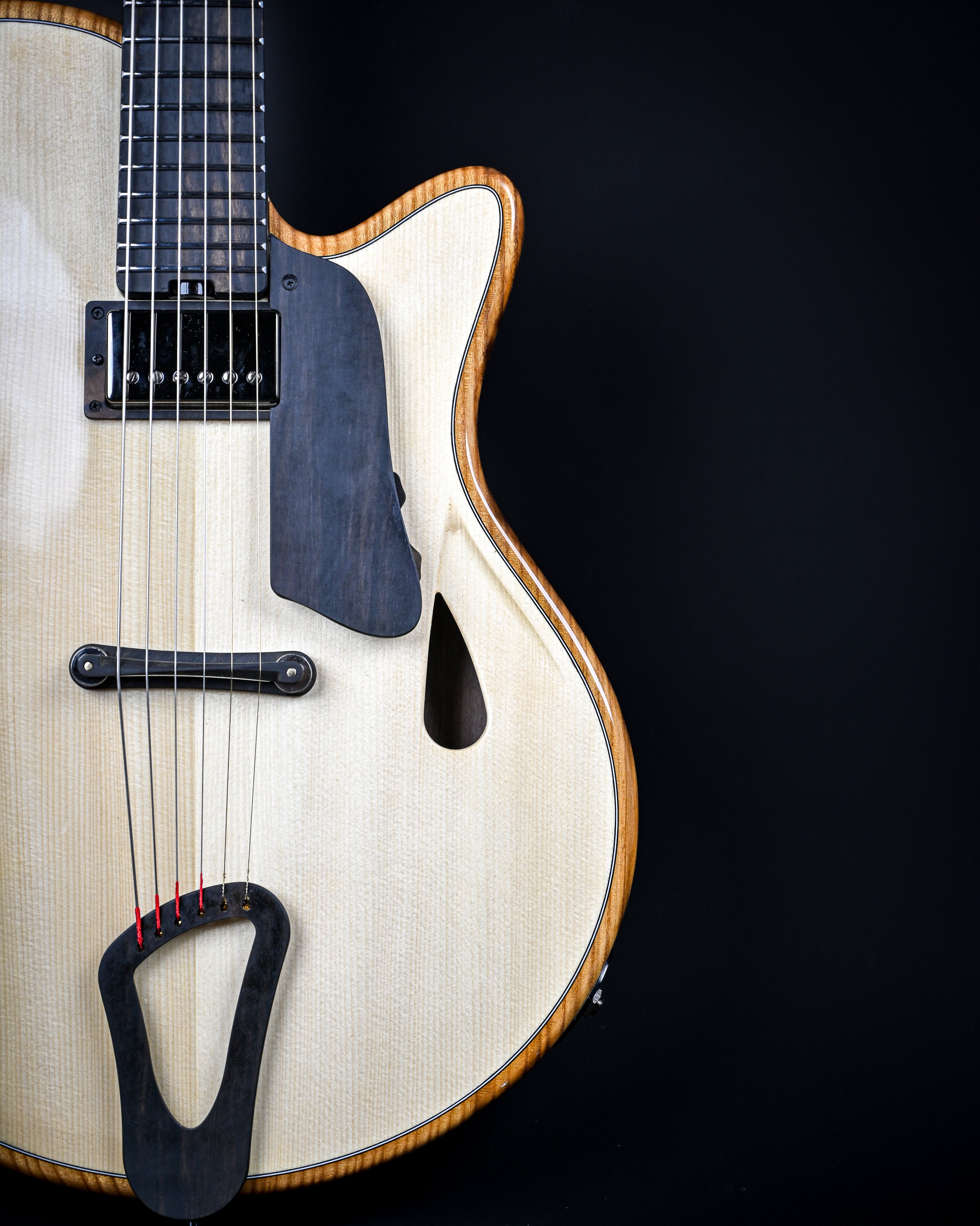
What makes a modern archtop modern
A century after its invention, the archtop guitar is still built largely by 1930s rules. But the way players actually use the instrument has changed: studios, stages, planes, contemporary jazz contexts that demand more uniformity and less drama from the instrument. This article looks at three engineering moves boutique luthiers are making to bring the archtop into the present — and what is gained and lost when you do.
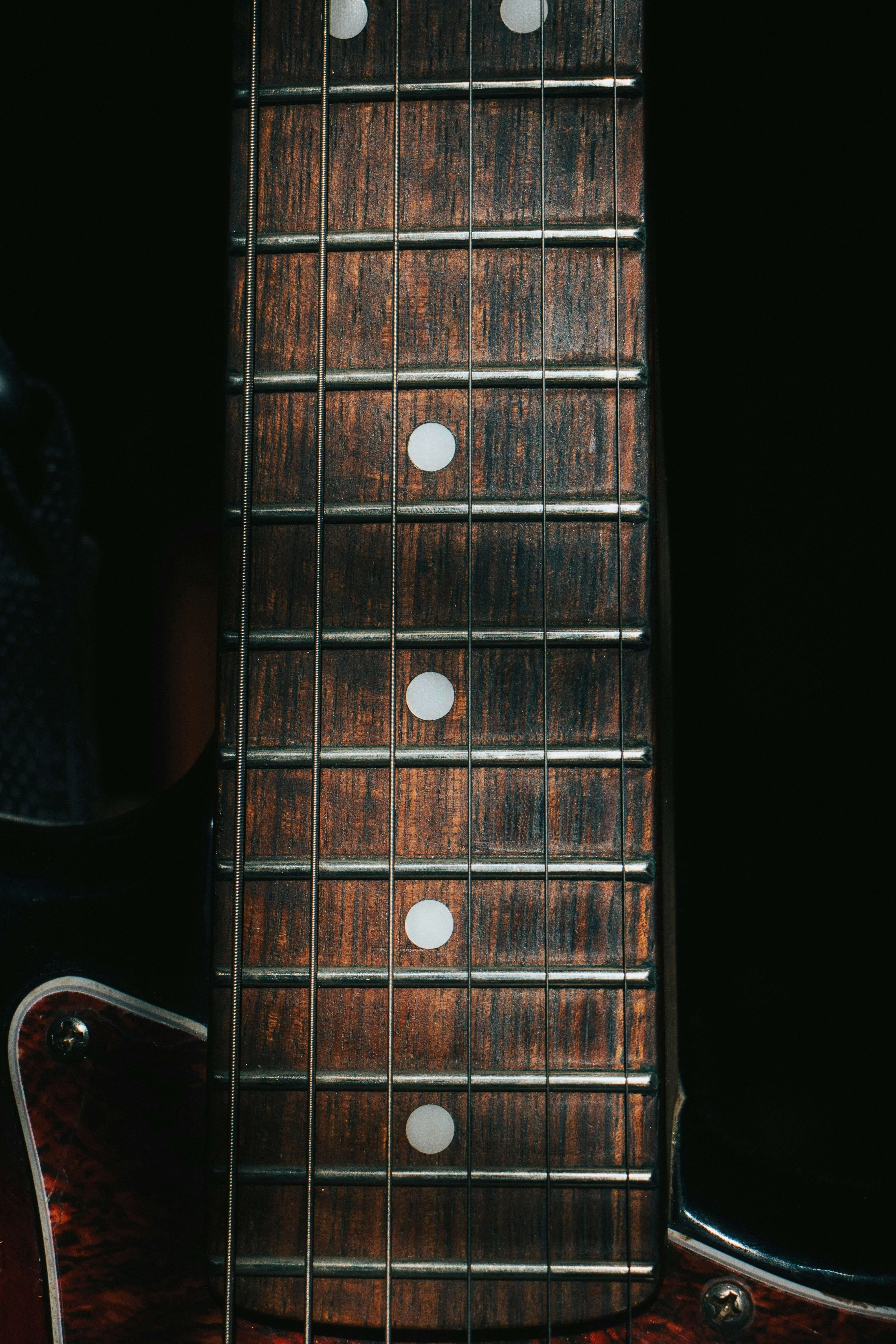
Truss Rods and Neck Relief: A Luthier’s Guide to Guitar Setup
Want your guitar to play smoother and sound better? This guide breaks down everything you need to know about Truss Rods and Neck Relief—from how they work to adjusting them safely. Whether you're a DIY enthusiast or just curious, this luthier-approved article covers the essentials for better tone, action, and playability.
Read moreabout Truss Rods and Neck Relief: A Luthier’s Guide to Guitar Setup

Guitar Setup : What is it ? (and what it isn't)
A professional setup can make your guitar or bass feel like a whole new instrument — but there’s often confusion around what a setup actually does. This article breaks down what’s included in a setup, what improvements you can realistically expect, and where the limits lie. From action and intonation to pickup balance and tuning stability, we’ll cover how a setup works and how to communicate your preferences to get the most out of the process. Whether you're a seasoned player or new to the world of lutherie, understanding this service will help you play better — and avoid disappointment.
Read moreabout Guitar Setup : What is it ? (and what it isn't)

Choosing between gloss, matte, or satin guitar finishes is more than an aesthetic decision — it shapes your experience with the instrument over time. Gloss finishes offer stunning brilliance and highlight the guitar's curves and grain, but require regular maintenance to preserve their shine. Matte finishes provide a smooth, non-sticky feel with a muted, natural look, hiding fingerprints well while developing character as they wear. Satin finishes sit comfortably between the two, offering a soft sheen and a balance of visual appeal and practical comfort.
Each finish evolves differently, with gloss gradually softening in high-contact areas, and matte and satin subtly polishing themselves through play. Ultimately, the right choice depends on your personal style, your playing habits, and the story you want your guitar to tell as it ages alongside you.
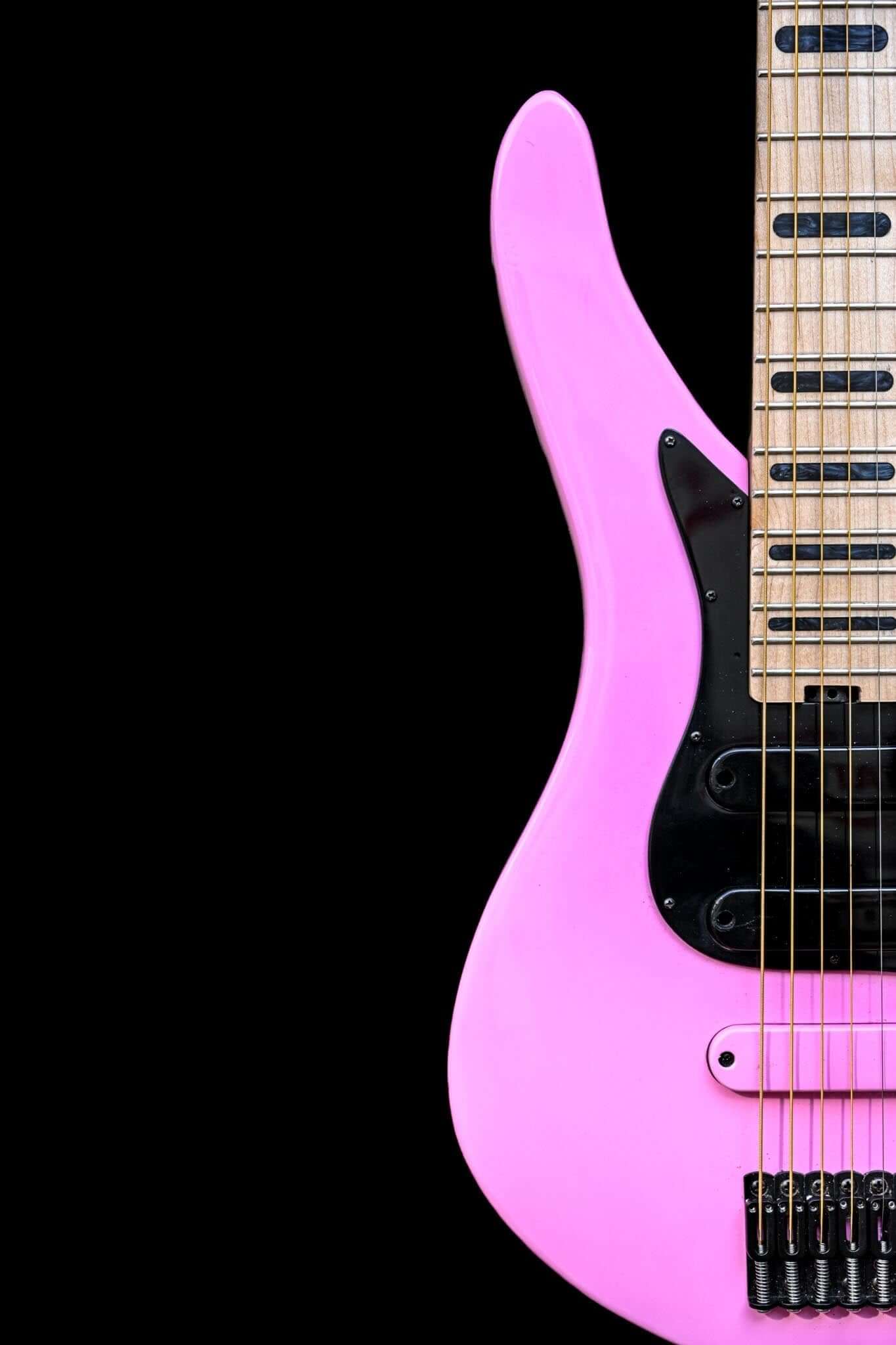
I design guitars from the perspective of a bass builder
In this exclusive interview with Fretboard Frenzy Journal, I share the journey of building Belforti Instruments, my passion for crafting premium electric guitars, and the philosophy that drives my work. From the initial inspiration to the details of the crafting process, this conversation dives deep into the artistry and precision behind every Belforti guitar. Whether you're a musician, a collector, or simply intrigued by the world of high-end lutherie, this interview offers an inside look into the dedication and innovation that go into creating instruments for the modern player.
Read moreabout I design guitars from the perspective of a bass builder
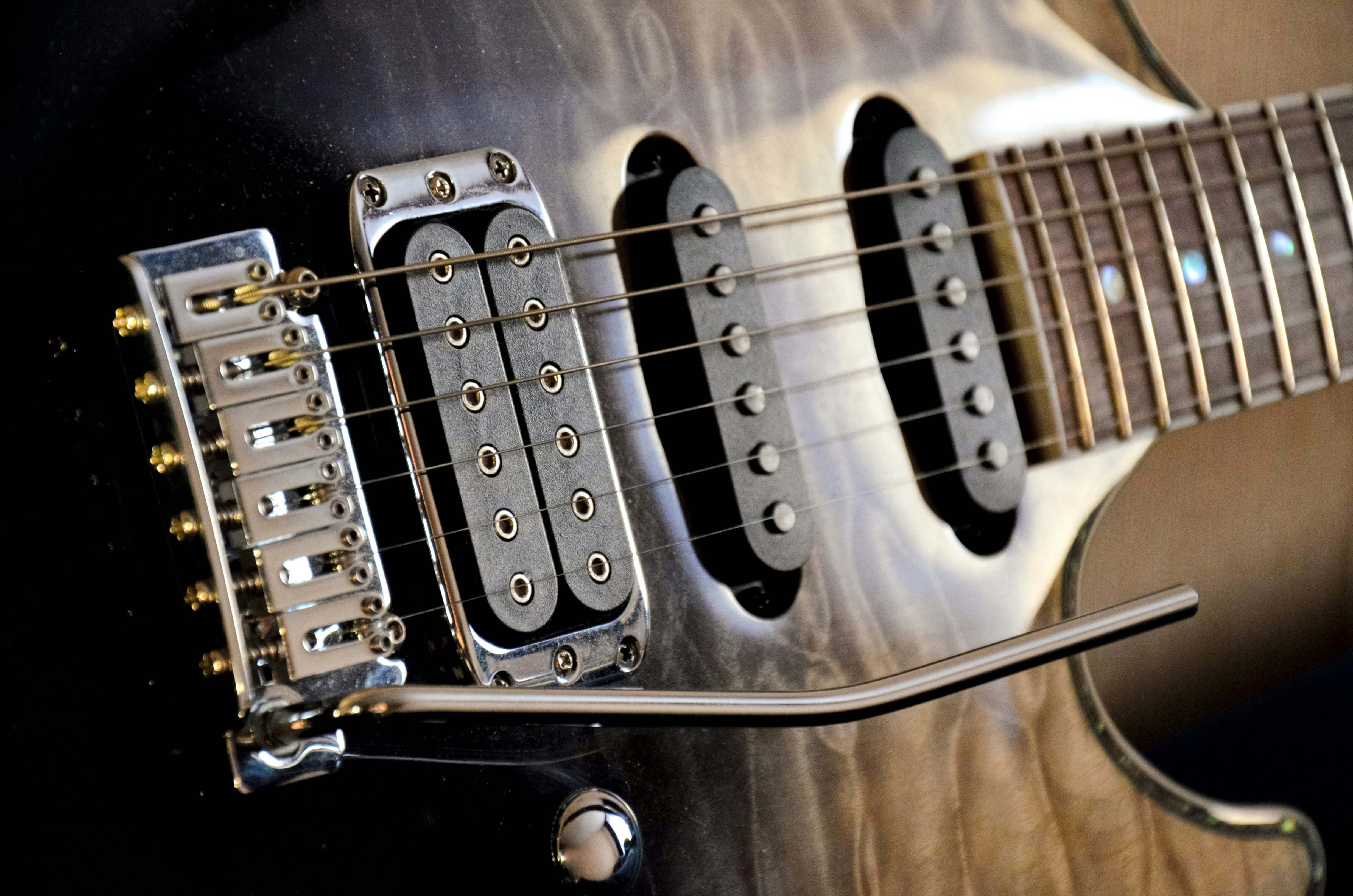
This comprehensive guide delves into the intricate world of guitar and bass pickups, exploring their mechanics, history, types, and impact on the instrument's tone. From the evolution of single-coils and humbuckers to the latest in digital and modeling technologies, the article examines how different pickups shape musical expression. It also looks forward to the future of pickup technology, anticipating advancements in materials, active electronics, and sustainable designs, highlighting their role in the continuing innovation of guitar and bass sound.
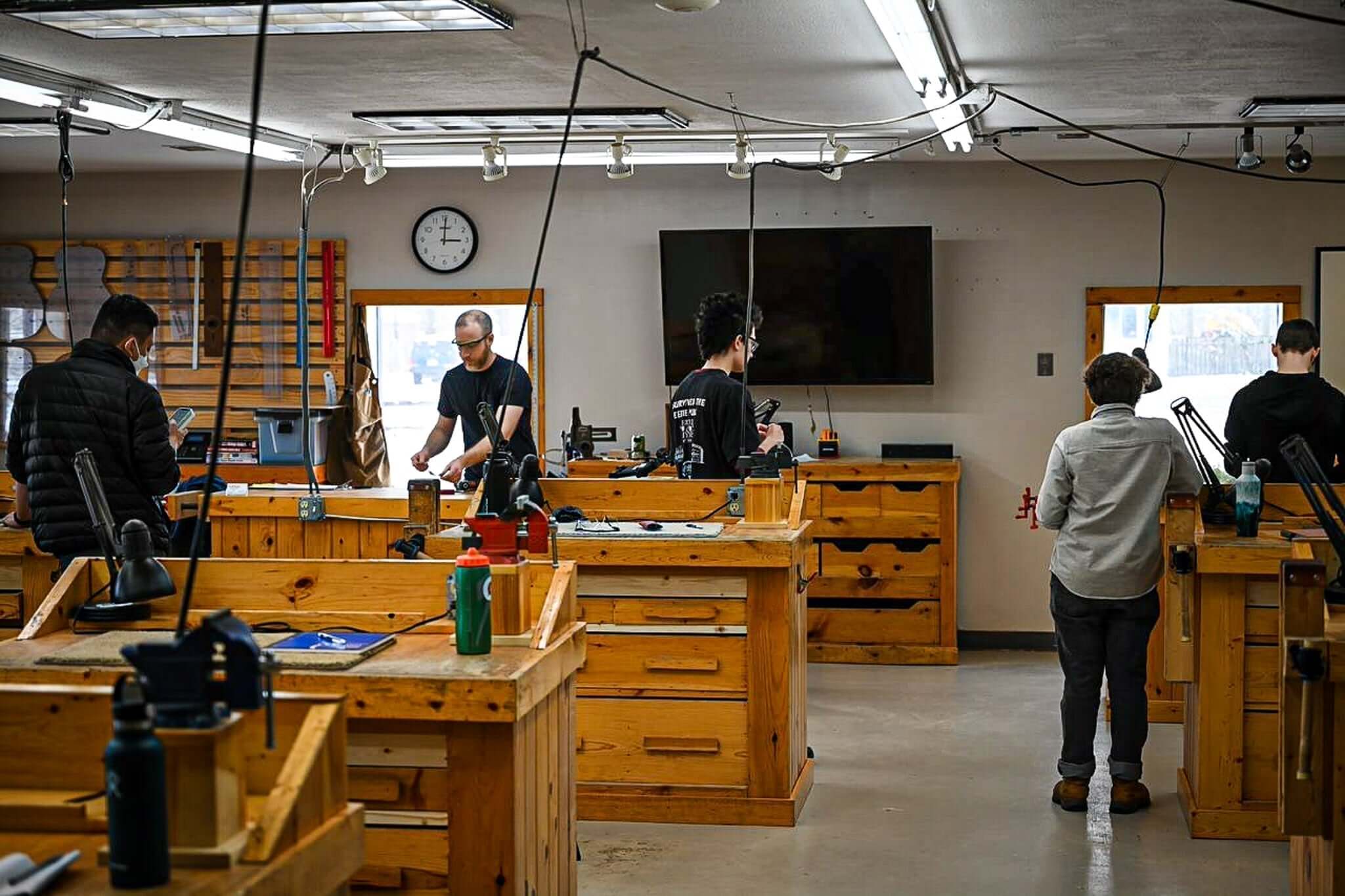
The Path to Becoming a Professional Luthier
Lutherie is an unregulated trade: no qualification is required to practise, and no certificate guarantees a good instrument. Here are the three real routes into the craft, the schools worth knowing, and how to tell a serious maker from someone with a workbench and a website.

Explore the nuanced world of guitar tone through a standardized lexicon of musical terminology. This article demystifies the jargon, clarifying the impact of frequency, harmonics, and dynamics on your sound. It also examines how individual technique and equipment choices contribute to the unique tonal fingerprint of a guitarist, whether playing solo or blending in with a group.

Science, Pseudoscience and Lutherie
Explore the intersection of science and myth in guitar craftsmanship with "Science, Pseudoscience, and Lutherie." This article's goal is to provide a solid intellectual foundation for players, builders, and actors of the lutherie and music world to navigate myths and pseudoscientific speech
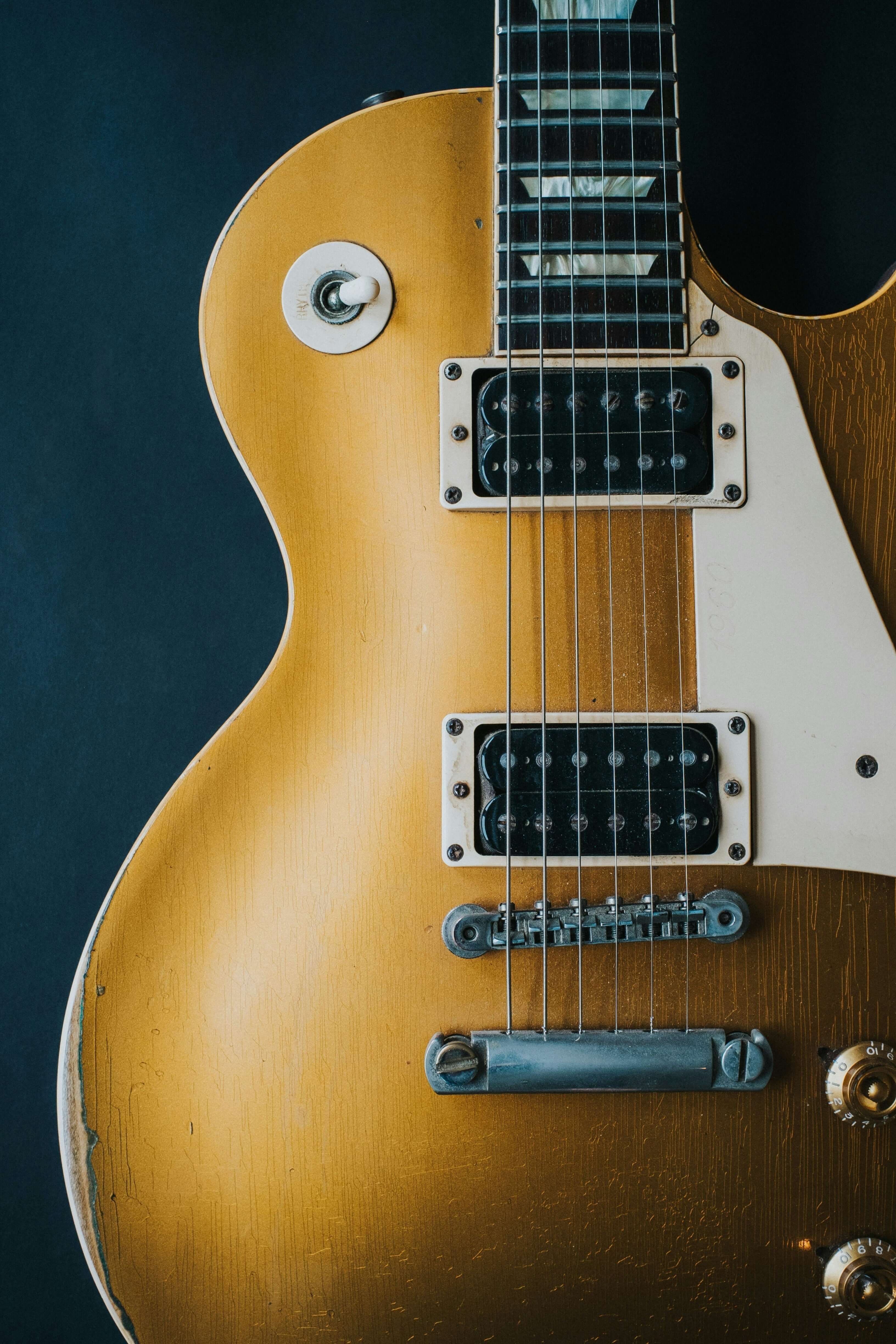
Explore the craftsmanship of both electric and acoustic guitars with our detailed guide that dives deep into the anatomy of these beloved instruments. From the strategic placement of the tuning pegs to the precise engineering of the truss rod, we unravel the secrets behind the components that shape their unique sounds and playability. Gain insights on how the subtle variations in parts like the bridge, pickups, and body can influence tone and performance, offering players and enthusiasts a richer understanding of their instruments.
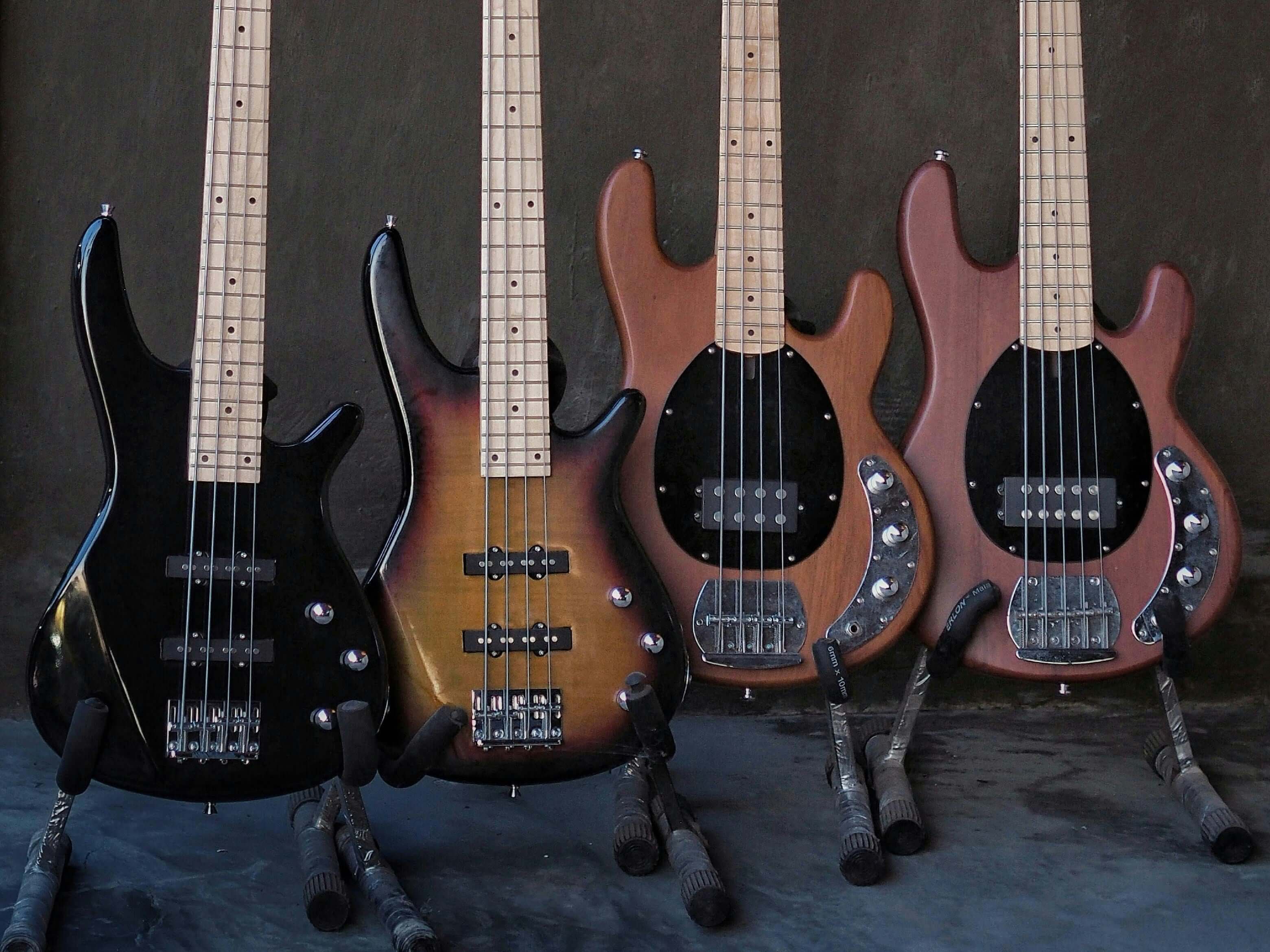
The Role of Electronics in Bass Guitars
The electronics in a bass guitar are critical components that greatly influence your sound. From the type of pickups to the onboard preamp and even the internal wiring, understanding these elements is key to mastering your tone. As technology advances, bassists have an ever-growing array of options for shaping their unique sound.

Are we, guitar builders, going to be replaced by machines ? And if it’s the case, is it actually bad news ? Let’s find out !
Explore the enduring debate between handcrafted and machine-made guitars, examining the advantages and drawbacks of each method. From the unparalleled craftsmanship of a luthier to the precision and scalability of modern machinery, both approaches offer unique qualities that appeal to different musicians. The article aims to shed light on this topic, helping you decide which method aligns with your preferences and needs.
Our Series
Four series, one rule — nothing here we can’t source.
-
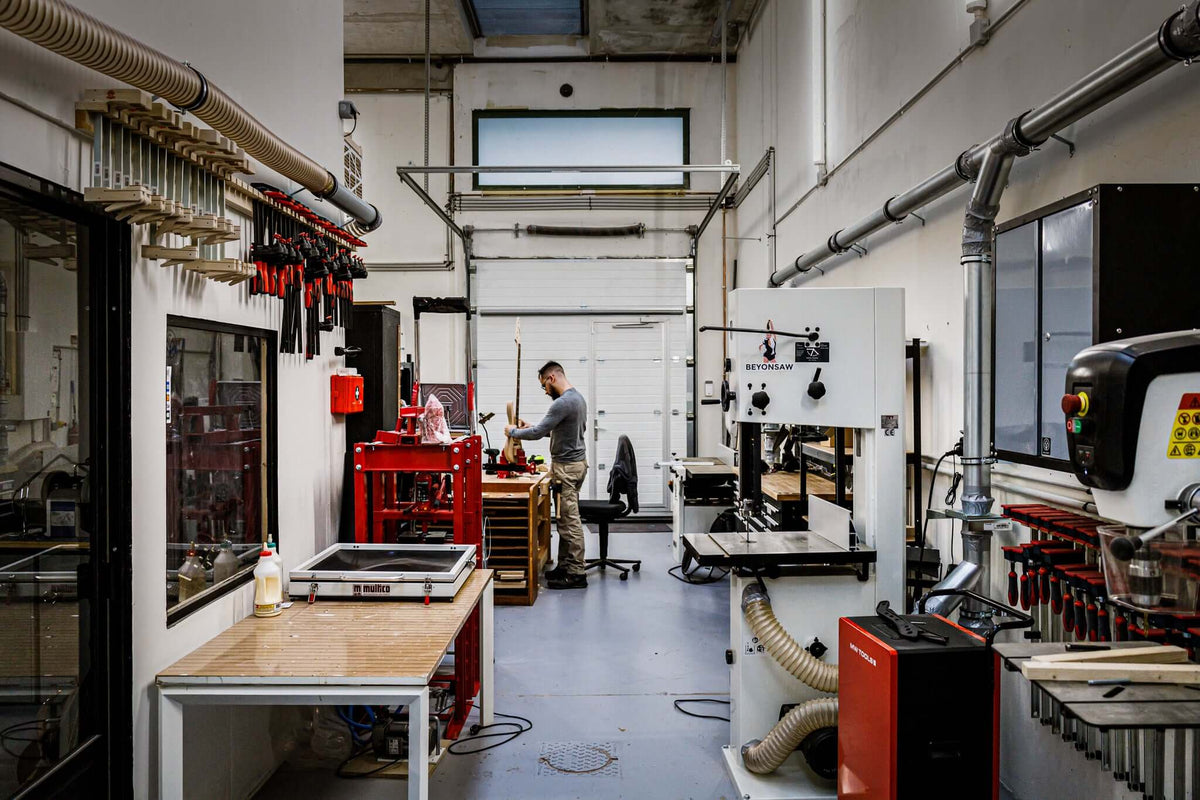
A tour of the trade, one place at a time. Not an argument, not an audit — a long walk through where guitars and basses actually come from, and the people who built them there.
Read the series -
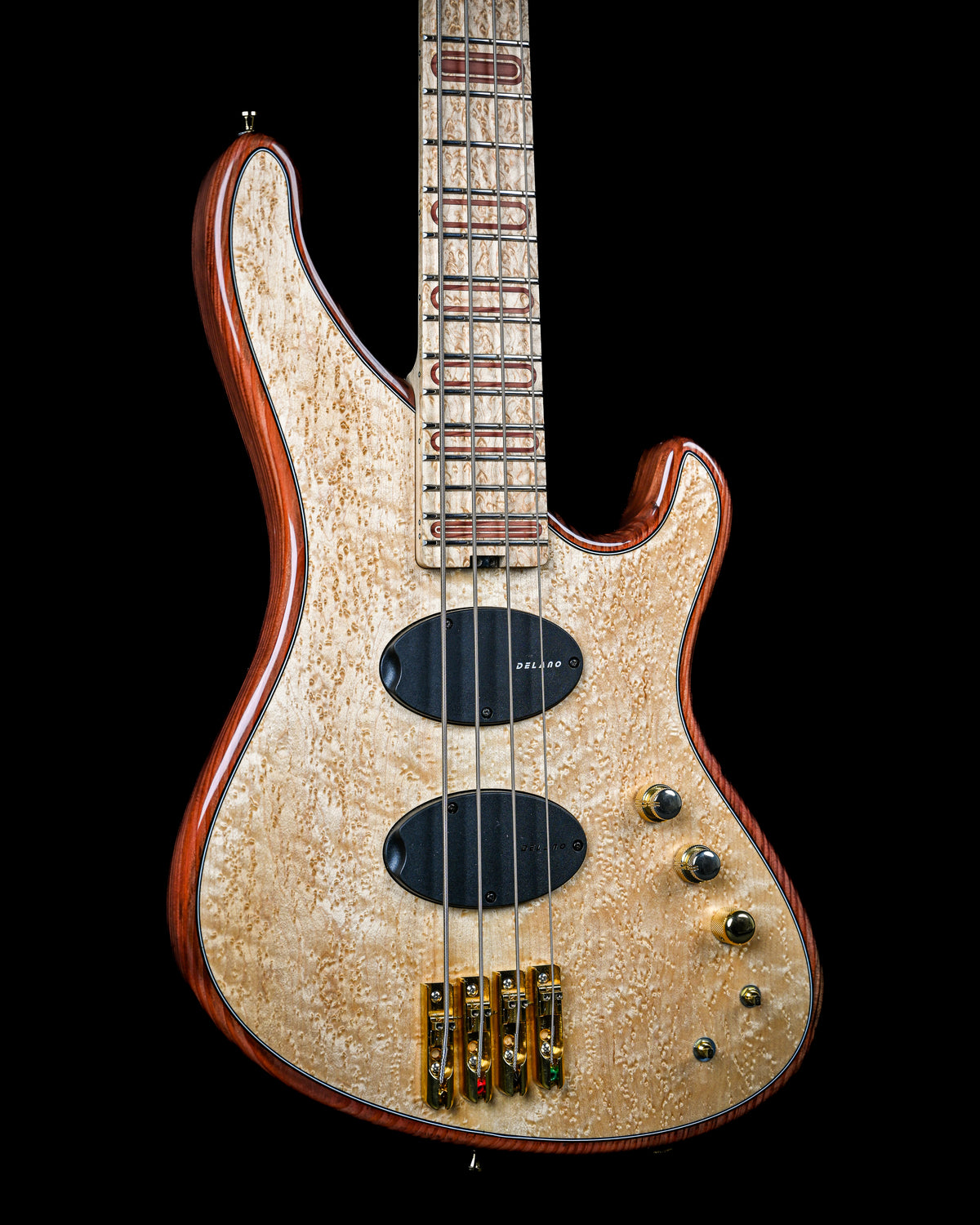
The title is the joke, and the joke is the method.
Read the series -

The deep dives. No posturing, no fight to pick — just one subject taken apart down to the studs.
Read the series -
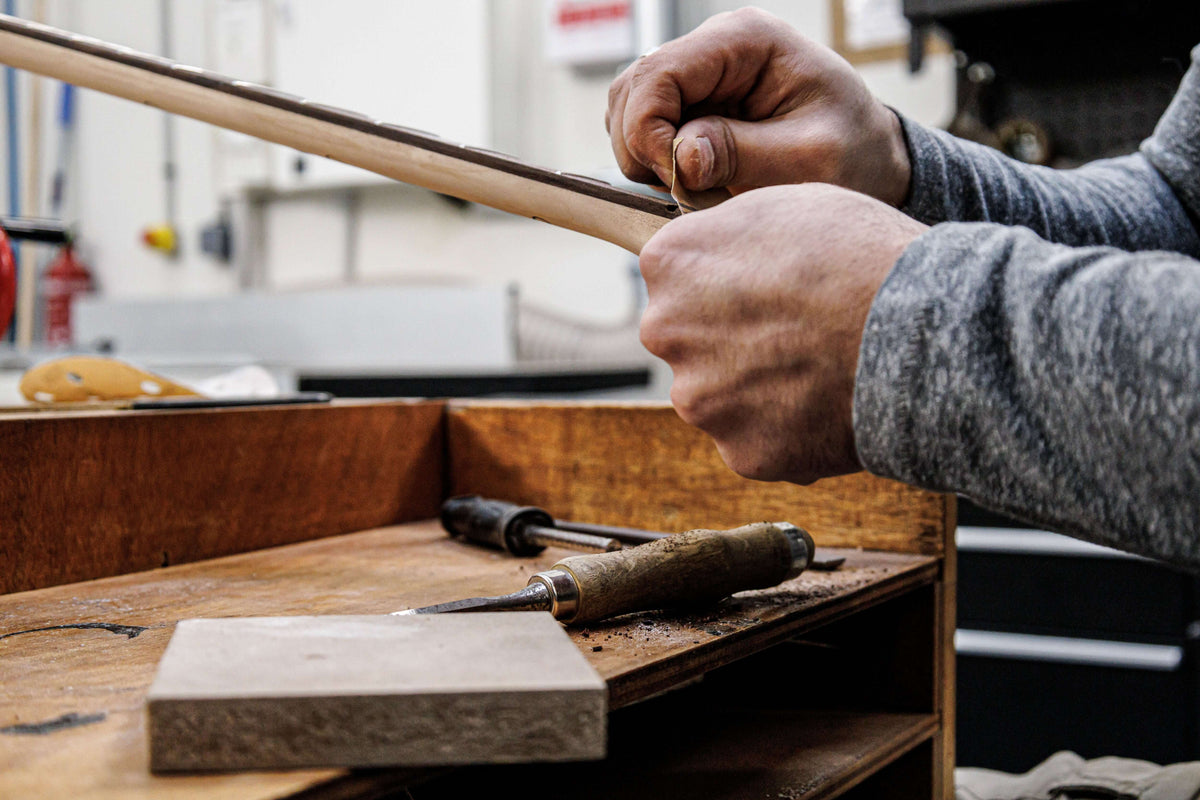
Everything else worth writing down — the stuff that doesn't need a thesis, just an honest explanation.
Read the series
