



악기 제작 현악기를 만들고 수리하는 악기 제작 . 프랑스를 비롯한 대부분의 지역에서 이는 규제 대상이 아닌 업종으로, 법적으로 가게를 열기 위해 필요한 자격 요건이 없습니다. CSFI와 DGE가 의뢰한 2018년 프랑스 악기 제작 업계에 대한 연구 보고서는 이 사실을 명확히 기록하고 있으며, 일부 기존 제작자들은 바로 자격 요건이 전혀 없다는 이유 때문에 신규 진입자에게 최소한의 자격 요건이 부과되기를 희망한다고 지적하고 있습니다.
그러면 두 가지 진지한 의문이 남습니다. 사람은 실제로 어떻게 수리 만들고 수리 법을 배우게 될까요? 그리고 구매자는 작업대와 웹사이트만 가진 사람과 진지하게 수리 만드는 장인을 어떻게 구별할 수 있을까요? 이 글은 이 두 가지 의문에 모두 답합니다. 다만 자격증이 이 두 가지 문제를 모두 해결해 준다고 주장하지는 않을 것입니다.
악기 제작자들이 기술을 익히는 방법
악기 제작 입문하는 실질적인 경로는 세 가지가 있습니다. 그 악기 제작 어느 것도 필수적인 것은 아니며, 어느 것도 실력을 보장해 주지는 않습니다.
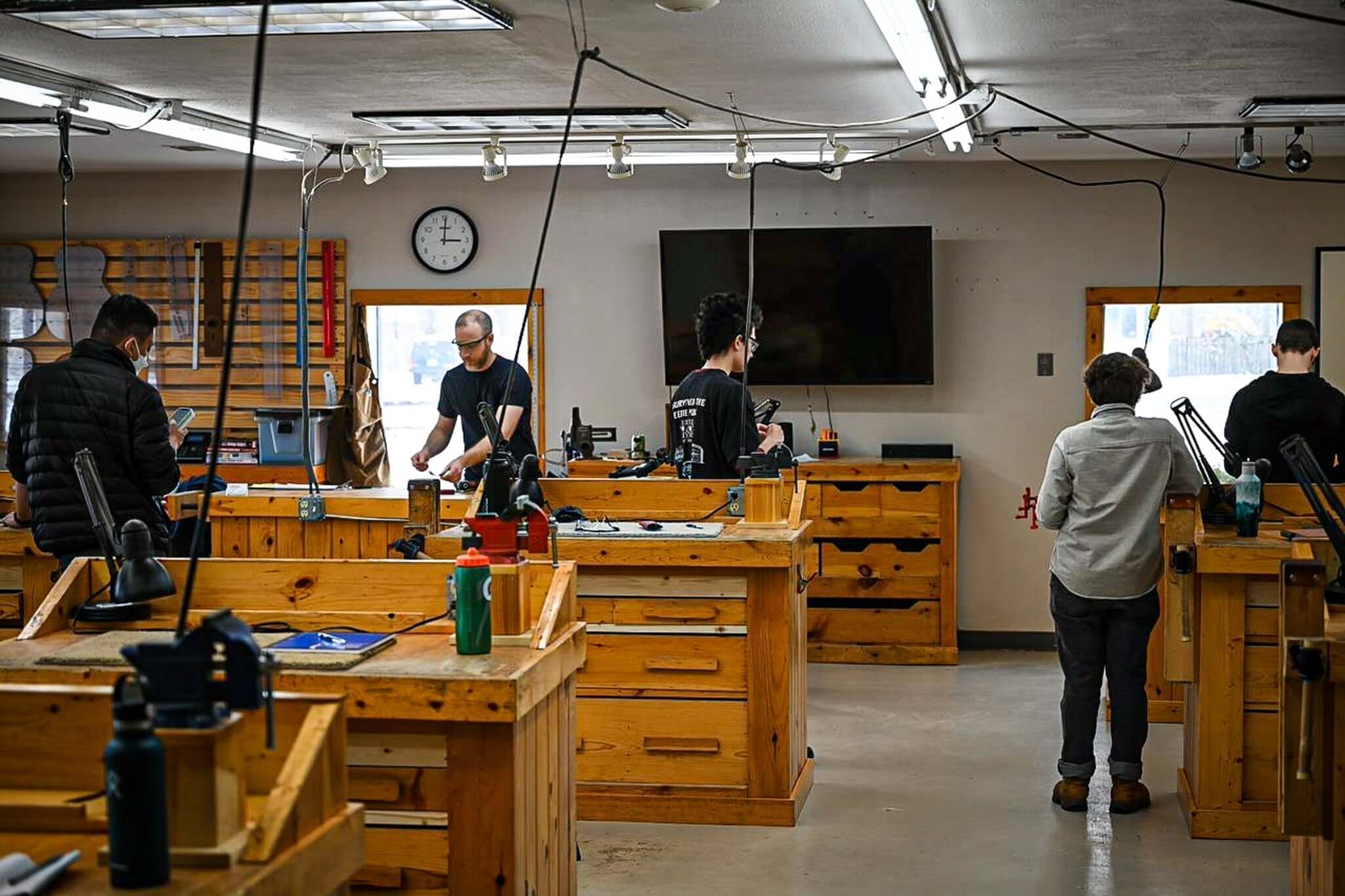
정규 교육 기관. 체계적인 교육 과정을 통해 목재의 특성, 넥 기하학적 구조, 프렛 작업, 전자 공학, 마감 처리, 셋업, 그리고 점점 더 중요해지고 있는 CAD와 CNC 등 기초 지식을 빠르게 습득할 수 있습니다. 실습 시연과 지도 교사의 감독을 받으며, 단계별로 체계적으로 학습하기 때문에 모든 과정을 시행착오를 겪으며 배워야 하는 번거로움을 피할 수 있습니다. 대신 비용과 시간이 소요되며, 수료증은 단순히 과정을 마쳤음을 증명할 뿐, 훌륭한 악기를 만들 수 있다는 것을 보장하지는 않는다는 점을 명심해야 합니다.
수습 과정. 명망 있는 장인의 지도 아래 작업대에서 일하는 것은 가장 오래된 방식이며, 여전히 최고의 방법 중 하나입니다. 매뉴얼에는 담기지 않는 판단력을 체득하게 됩니다. 예를 들어, 이음새가 제대로 맞는지, 넥 어떤 넥 , 마감 경화되는 과정에서 어떤 마감 등을 익히게 됩니다. 이 과정은 시간이 오래 걸리고, 만나는 장인에게 전적으로 좌우되며, 예전보다 마련하기가 더 어려워졌습니다.
독학. 저명한 제작자 중에서도 독학으로 배운 분들이 많습니다. 이는 충분히 타당한 방법입니다. 하지만 접착하거나, 자르거나, 발송하기 전에 실수를 잡아줄 사람이 없기 때문에, 독학은 가장 느리고 실수가 가장 많이 발생하는 길이기도 합니다. 책, 포럼, 동영상은 도움이 되지만, 여러분의 작품을 직접 보고 피드백을 줄 수 있는 사람의 조언을 대신할 수는 없습니다.
이 세 가지의 핵심은 모두 같습니다. 실력은 증명되는 것이지, 자격증으로 인정받는 것이 아닙니다. 메이커가 어떻게 훈련을 받았는지는, 그들이 여러분 앞에 무엇을 보여줄 수 있는지에 비해 훨씬 덜 중요합니다.
교육에서 실제로 다루는 내용
어떤 경로를 택하든 필요한 기술은 동일하며, 이는 대부분의 사람들이 예상하는 것보다 훨씬 광범위합니다. 기타나 베이스 제작자는 습도와 하중에 따라 목재가 어떻게 변형되는지, 넥 너트, 새들 연주감 인토네이션 어떤 새들 , 악기의 넥 전체에 걸쳐 깔끔한 연주가 프렛 어떻게 절단하고, 평평하게 다듬고, 마감 처리해야 하는지, 소리를 죽이지 않으면서도 마감 어떻게 도포해야 하는지, 그리고 단 한 조각의 목재도 가공하기 전에 — 요즘은 주로 CAD를 이용해 설계하고 CNC로 부품을 절단하는 방식으로 — 악기를 어떻게 설계해야 하는지를 이해해야 합니다.
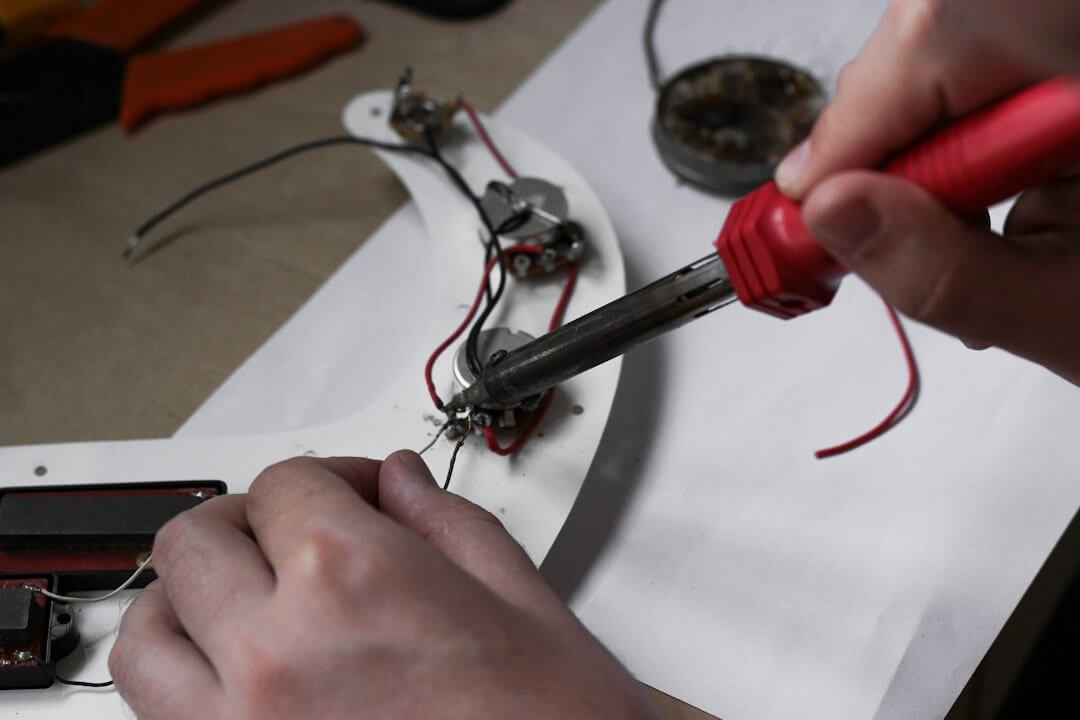
일렉트릭 기타는 어쿠스틱 기타에는 없는 또 다른 차원을 더해줍니다. 이는 부분적으로 전기적인 작업이기도 합니다. 픽업, 포텐셔미터, 스위칭, 실드 등 실드 제대로 맞춰져야 하며, 이 중 어느 것도 단순히 외관을 위한 것이 아닙니다.
수리 그 자체로 하나의 전문 수리 — 세팅, 프렛 교체, 구조적 수리 등 — 그리고 대부분의 현역 제작자들에게 이는 부업이 아닌 업무의 꾸준한 일부입니다. 훌륭한 학교라면 제작과 수리 모두 가르칩니다. 대부분의 졸업생들이 이 두 가지 모두를 통해 수입을 얻게 될 것이기 때문입니다.
최신 동향을 파악하기
공예는 한자리에 머물러 있지 않으므로, 배움도 멈추지 않습니다. 규제에 따라 재료도 변합니다. 2016년 CITES가 로즈우드 Dalbergia) 종에 대한 통제를 강화했을 때, 해당 목재를 사용하던 모든 제작자는 원자재 조달과 서류 절차를 재고해야 했으며, 그 이후로도 규정은 다시 바뀌었습니다. 도구도 변화합니다. CAD와 CNC는 이제 많은 작업장에서 더 이상 이색적인 것이 아니라 일상적인 것이 되었습니다. 음향 연구 후판 건축 후판 따라 공법과 측정 방식도 변화하고 있습니다. 제작자들은 단기 강좌, 컨퍼런스, 출판된 문헌을 통해 최신 동향을 따라가고 있습니다. 프랑스의 ITEMM을 비롯한 여러 기관은 바로 이러한 목적을 위해 전담 혁신 센터를 운영하고 있습니다.
어디서 배울까: 알아두면 좋은 기타 제작 학교
악기 제작 대한 단일 순위는 없으며, 평판은 여러분이 어떤 악기를 만들고자 하는지에 따라 달라집니다. 아래 목록은 검증된 정보로 구성되어 있으나, 모든 학교를 망라한 것은 아닙니다. 프로그램과 일정은 변경될 수 있으므로, 등록하기 전에 각 학교에 문의하여 최신 정보를 확인하시기 바랍니다.
Galloup School of Guitar Building and Repair — Big Rapids, Michigan, USA. Widely regarded as one of the best guitar-building-and-repair schools anywhere, for concrete reasons. It runs inside a working business: students learn in the same building where Galloup Guitars are built and the Guitar Hospital does its repairs, not in a classroom mock-up of a shop. Its long-term programs run in tiers, from journeyman to master, a depth of progression few schools match. And it teaches voicing with measurement — spectrum analysis, nodal behaviour — rather than treating a guitar as something you merely assemble. Repair is taught as seriously as construction, not as a sideline.
Full-time enrolment isn't available to everyone, and the school knows it. The same material is being pushed out through an online program on Patreon: voicing lessons built on FFT analysis, wood rating and Acousonix content, CAD lessons, PLEK tutorials, and the written Galloup Notes that accompany the videos. It is not a substitute for standing at a bench with an instructor over your shoulder — nothing online is — but it is the closest thing to the actual curriculum you can get from your own shop, and there is a free tier if you want to look before you pay.
Belforti 악기 제작 — 프랑스 파리. 작업실 고유의 방법론(CAD/CAM, 전문가 지도 하의 CNC 가공, 정밀한 전자 부품, 재현 가능한 지그)을 바탕으로 현대 악기 제작 . 교육 과정은 3일간의 기술 과정(전문적인 셋업, 악기 설계, 리프레팅)부터 키트를 활용해 3주 동안 기타나 베이스 한 대를 완성하는 과정, 1:1 멘토링을 통해 6주 동안 맞춤형 과정까지 다양합니다. 소규모 그룹 수업, 전문 공구 사용.
ITEMM — 프랑스 르망. 1992년에 개교한 유럽 음악 악기 기술 연구소(Institut Technologique Européen des Métiers de la Musique, ITEMM)는 기타, 피아노, 관악기, 아코디언의 제작, 수리, 조율을 아우르는 유일한 교육 기관입니다. 이 학교는 국가 자격증(CAP 및 기타 전공을 포함한 예술 공예 자격증(Brevet des Métiers d'Art)), 9개월 과정의 집중 기타 제작 프로그램, 평생교육 과정, 그리고 음향 연구 센터를 운영하고 있습니다. 2021년에는 베텐쿠르(Bettencourt) ‘파르쿠르(Parcours)’ 상을 수상했습니다.
로베르토-벤 기타 제작 학교 — 미국 애리조나주 피닉스. 1975년에 설립되어 국가 인증을 받은 로베르토-벤은 북미에서 가장 오래된 전문 기타 제작 학교 중 하나입니다. 이 학교의 핵심 프로그램은 5개월, 약 880시간 과정으로, 목재 선택 마감 목재 선택 어쿠스틱 및 일렉트릭 기타의 제작과 수리 다룹니다.
American School of 악기 제작 미국 오리건주 포틀랜드. 1970년대에 ‘기타 연구 및 디자인 센터(Guitar Research & Design Center)’를 설립한, 현대 북미 악기 제작 선구자인 찰스 폭스(Charles Fox)가 운영합니다. 모든 수준의 제작자를 위한 강의 및 실습 교육을 제공합니다.
시카고 기타 제작 학교 — 미국 일리노이주 시카고. Specimen Products의 산하 기관으로, 기타 제작, 기타 수리, 진공관 앰프 제작 과정을 운영합니다.
Summit School of Guitar Building and 수리 캐나다 브리티시컬럼비아주 퀄리컴. 소규모 그룹 수업(한 번에 1~2명)으로, 1일 과정부터 1년 과정까지 다양한 과정이 마련되어 있습니다.
크림슨 기타(Crimson Guitars) — 영국 도싯. 2005년 명장 루티어 크로우(Ben Crowe)가 설립했습니다. 며칠 과정부터 3개월 집중 과정에 이르는 대면 강좌는 물론, 방대한 온라인 제작 아카데미와 유튜브 채널을 통해 탄탄한 팬층을 확보하고 있습니다. 주로 일렉트릭 기타에 중점을 두지만, 어쿠스틱 기타 관련 강좌도 제공됩니다.
토트네스 기타 제작 학교 — 영국 데번. 기타 및 관련 악기를 다루는 12주 과정으로, 1년에 여러 차례 개설됩니다.
악기 제작 학교 (뉴어크) — 잉글랜드 뉴어크. 링컨 칼리지 산하 기관으로, 3년제 바이올린 계열 과정과 더불어 2년제 클래식 기타 제작 과정을 운영하고 있다.
유럽 기타 제작 연구소 — 스페인 그라나다. 스티븐 힐이 설립했으며, 1994년부터 스페인 기타 제작의 중심지에서 교육을 진행해 오고 있습니다. 전통 클래식 및 플라멩코(그라나다 스타일) 기타 제작을 다루는 1개월간의 집중 과정으로, 로제트 제작 기술도 포함됩니다.
Musikinstrumentakademien — 스웨덴 스톡홀름. 학생들이 클래식 기타, 스틸 스트링 기타, 모던 기타, 일렉트릭 아치탑 직접 제작하며, 톤우드, 복원, CAD, 마감 처리 등에 대한 수업을 듣는 3년제 과정입니다. 이 목록에 포함된 과정 중 가장 포괄적인 과정으로, 최종 시험에서 우수한 성적을 거두면 숙련공 자격증을 취득할 수 있습니다.
관련되어 있지만 별개의 전통: 바이올린 계열
악기 제작 분야에서 가장 유명한 악기 제작 바이올린 악기 제작 , 이곳에서는 독특한 장인 기술을 가르칩니다. 1970년 장-바티스트 부이얄 고등학교(Lycée Jean-Baptiste Vuillaume)에 설립된 프랑스의 미르쿠르 국립 악기 제작 학교(École Nationale de 악기 제작 )는 1600년대부터 바이올린을 제작해 온 이 마을에 위치한, 프랑스 유일의 현악 4중주(바이올린, 비올라, 첼로) 제작 공립 학교입니다. 스트라디바리의 고향인 이탈리아의 크레모나와 독일의 미텐발트 역시 오랫동안 바이올린 제작으로 명성을 떨쳐왔다. 기타를 만들고 싶다면 이곳은 적합한 학교가 아니지만, 이 분야의 명성이 어디서 비롯되었는지 이해하고 싶다면 바로 이곳이 그 정수다.
루티어 선택하기
학위는 신경 쓰지 마세요. 훌륭한 악기를 보장해 주는 자격증 따위는 없으며, 그런 자격증이 없다고 해서 누군가를 배제할 이유는 없습니다. 작품 자체와 사업 운영 방식을 보고 판단하세요.
제작 과정. 완성된 악기와 수리 끝난 악기를 직접 보여달라고 요청하세요. 왜 이 목재를 사용했는지, 왜 이런 넥 선택했는지, 왜 이런 배선 했는지 물어보세요. 진지한 제작자라면 신비로운 표현 없이 평이한 언어로 선택의 이유와 장단점을 설명해 줄 것입니다. 애매한 답변이나 막연한 말만 늘어놓는 것은 주의해야 할 신호입니다.
평판. 별점만 가득한 벽이 아니라, 실제 고객과 실제로 사용 중인 악기를 찾아보세요. 리뷰 수보다는 다른 연주자들의 평가가 더 좋은 참고 자료가 됩니다.
등록되어 있고 투명한 사업체입니다. 이 업종은 별도의 면허가 필요하지는 않지만, 사업체 자체는 확실히 존재해야 합니다. 프랑스에서는 SIRET 번호를 보유한 등록된 회사, 서면으로 작성된 견적서, 명확한 가격 정책, 그리고 전문직 배상 책임 보험을 갖추고 있는 곳을 기대하셔도 좋습니다. 많은 신진 제작자들은 ‘소규모 자영업자(micro-entrepreneur)’ 제도 하에서 활동합니다. 이는 합법적이고 흔한 방식이며, 이는 그들의 기술 수준이 아니라 세금 신고 상태를 나타내는 것일 뿐입니다. 그러니 다시 한 번 강조하지만, 작품 자체를 평가하시기 바랍니다.
작업실. 직접 방문할 수 있다면, 체계적으로 정리되어 있고 필요한 장비가 잘 갖춰진 작업실 웹사이트보다 더 많은 것을 작업실 .
전문 단체. 프랑스에는 기타 및 현을 튕겨 연주하는 악기 제작자들을 위한 업계 협회인 APLG Association Professionnelle des Luthiers artisans en Guitare et autres cordes pincées)가 있으며, 이 협회는 2013년에 설립되어 약 100명의 회원을 보유하고 있습니다. 회원 자격은 해당 제작자가 이 직업에 종사하고 있음을 나타내는 지표입니다. 이는 단순한 ‘신호’일 뿐 면허는 아니며, 훌륭한 독립 제작자 중에서도 어떤 단체에도 소속되지 않은 이들이 많습니다.
이 모든 과정에 자격증은 필요하지 않습니다. 훌륭한 악기임을 보증해 주는 서류 따위는 없습니다. 실력은 자격증으로 증명되는 것이 아니라 직접 보여줘야 하는 것입니다. 작품을 보고 판단하십시오.
공유:
톤 & 용어
픽업